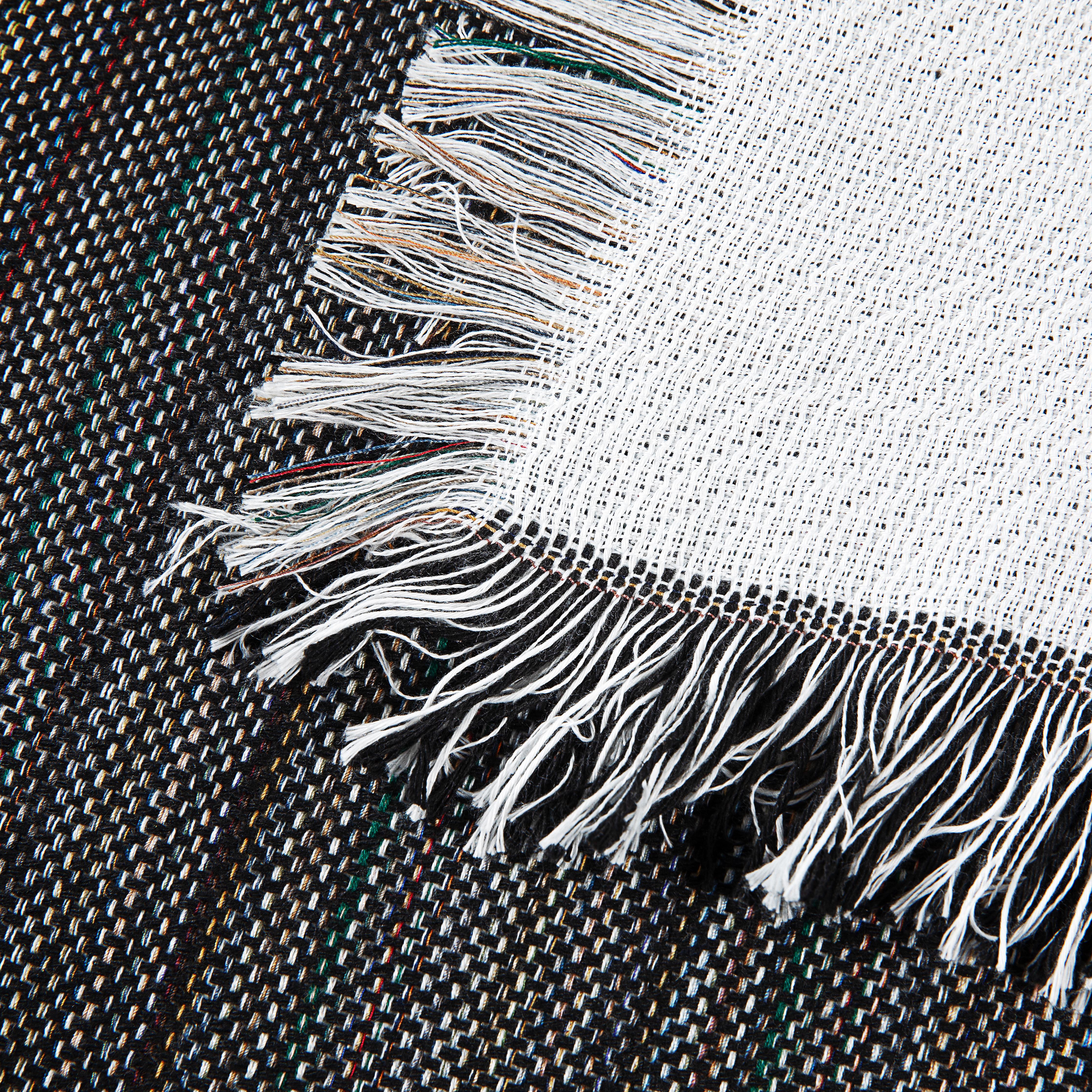
Finding the Best Fabric for Sublimation: A Guide for Makers
If you want a perfect, vibrant print every single time, you have to start with the right foundation. So, what’s the best fabric for sublimation? The short and simple answer is 100% polyester. Its synthetic fibers are the key—they're specifically designed to create a permanent bond with sublimation dye, resulting in prints that are unbelievably bright and will never crack, peel, or fade away.
Your Guide to Sublimation-Ready Textiles

Picking the right fabric is hands-down the most important decision you'll make for any sublimation project. It isn't just a matter of taste; it's a technical necessity. The magic of sublimation happens when polyester fibers open up under the heat press, allowing the gaseous ink to penetrate deep inside. As the fabric cools, the fibers lock the color in for good.
Consider this your expert walkthrough, written to show you not just what works, but why it works. As textile specialists at Spark Blank Textiles, we’re here to help makers and small business owners just like you feel confident in their fabric choices.
Why Quality Matters From the Start
Think of us as your partners in printing. We’re focused on offering a curated selection of premium textiles that we’ve personally tested and stand behind. We know your business depends on making top-notch products that create happy customers and bring them back for more. That's why our priority will always be quality, not just being the cheapest option out there.
A fantastic finished product is simply impossible without a great starting blank. Using the best fabric for sublimation from the get-go helps you:
- Achieve Maximum Vibrancy: High polyester content is your ticket to colors that pop with incredible clarity.
- Guarantee Durability: The print literally becomes part of the fabric, so it will hold up wash after wash.
- Reduce Waste: Working with reliable, tested blanks means fewer frustrating misprints and wasted materials, which saves you real money.
- Build Your Brand: Premium-feeling products, like a plush sherpa or a soft fleece blanket, make your brand feel special.
We believe that a better blank makes a better final product. Our thoughtfully chosen selection of blankets and towels is built for comfort, quality, and creativity—the perfect canvas for your designs.
From Blank to Brilliant
To help you get a practical feel for different materials, we've put together this quick comparison table. It's a great starting point for understanding how various fabrics perform.
Quick Guide to Sublimation-Friendly Fabrics
| Fabric Type | Polyester Content | Print Vibrancy & Sharpness | Best For |
|---|---|---|---|
| 100% Polyester | 100% | Excellent (Bright & Crisp) | Apparel, blankets, flags, towels, photo panels |
| High-Poly Blends | 65% - 95% | Good to Very Good (Slightly faded/vintage look) | T-shirts, hoodies, casual wear |
| Polyester-Faced Sherpa | 100% (on print side) | Excellent (Vibrant, soft texture) | Premium blankets, cozy apparel |
| Fleece | 100% | Very Good (Soft, slightly less sharp) | Throws, blankets, sweatshirts |
| Jacquard Tapestry | 100% | Good (Depends on texture) | Wall hangings, decorative pillows, unique items |
Each of these fabrics offers a unique look and feel, so the "best" one really depends on the final product you're trying to create.
Throughout this guide, we'll dive deeper into how different polyester textiles—from our cozy fleece blankets to our plush sherpa throws—react under the heat press and how their textures affect your final design. We want to give you the knowledge to move beyond guesswork and start making smart decisions for your craft and your business.
As textile specialists focused on the needs of makers and small print shops, our mission is to help you turn a simple blank into a brilliant, profitable creation. With fast 2-3 day US shipping and a focus on quality, we're here to support you at every step. Let's get started.
How Sublimation Printing Actually Works
To really get why polyester is the undisputed king of sublimation, you need to understand what’s happening on a molecular level. It's a fascinating bit of chemistry that, honestly, feels a little like magic. Unlike other print methods that just lay ink on top of a material, sublimation permanently fuses the design into the fabric.
Think of it like a tattoo for your blanket, not paint on a wall. The ink isn't a separate layer that can crack, peel, or fade away. It becomes part of the fibers themselves. This is exactly why a properly sublimated blanket feels so incredibly soft and holds onto its brilliant color wash after wash. The design has absolutely no "hand feel"—you can't feel a thing.
The Science: It’s All About Heat and Polyester
So, how does this incredible fusion happen? It all comes down to a special reaction between three things: solid dye, intense heat, and polyester fibers.
The process kicks off when you print your design onto a sheet of specialized transfer paper with sublimation inks. These aren't your everyday inks. When you heat them up, they do something unique: they skip the liquid phase entirely and turn straight into a gas. This is the "sublimation" part of the name.
Here's how that magic translates into a finished product:
- Prep: Your design is printed onto transfer paper. You then place it onto your blank polyester textile, like one of our fleece blankets.
- Heat: A heat press clamps down, applying precise heat (usually around 380-400°F) and steady pressure.
- Gas Phase: The heat instantly causes the solid dye on the paper to vaporize into a gas.
- Fiber Activation: At the exact same time, the high temperature opens up the pores of the fabric's polyester fibers.
- Infusion: The gaseous dye rushes into these open pores, penetrating deep into the core of each fiber.
As the textile cools, the polyester pores slam shut, trapping the dye inside for good. The color is now locked in, creating a stunning, full-color image that’s as durable as the fabric itself.
Why Polyester Is a Must-Have
This process is exactly why synthetic materials, especially 100% polyester, are non-negotiable for high-quality results. Natural fibers like cotton or linen simply lack the polymer structure needed to bond with the dye. If you try to sublimate on cotton, the ink has nowhere to go. It just sits on the surface and washes right out, leaving you with a blotchy, faded mess.
The success of sublimation is built on a chemical bond that can only happen with polyester. Choosing the right fabric isn't a creative preference—it's a technical requirement for achieving the professional, vibrant results your customers expect.
Once you grasp this core concept, you're ready to make smarter choices about your materials. Every decision you make, from the fabric's weave to its weight, ties back to how well it can receive and lock in that vaporized dye. For a more detailed look at the entire workflow, check out our guide on the full dye-sublimation printing process.
Now, let's dig into the specific fabric characteristics you need to watch for.
Key Fabric Characteristics That Impact Your Prints
Think of a fabric's specs as the recipe for a perfect print. Once you know how to read them, you stop guessing and start knowing you’ll get fantastic results. When you can confidently look at specs like polyester content, weave, and weight, you gain total control over your final product.
For any small business, especially Etsy sellers, this knowledge is a superpower. It means fewer wasted blanks, happier customers, and a healthier bottom line. Let's dig into the handful of traits that truly make or break your sublimation projects.
Polyester Content: The Undisputed #1 Factor
When it comes to sublimation, polyester content is king. As we touched on earlier, the whole process relies on a special chemical bond between the dye and synthetic fibers. That's why 100% polyester is the gold standard—it's hands-down the best fabric for sublimation if you're chasing jaw-dropping vibrancy and sharpness.
What about blends? Fabrics with less polyester (think 50/50 or 65/35) will give you a more muted, "vintage" look. This happens because the dye has fewer polyester fibers to grab onto. For certain designs, this faded aesthetic can be a deliberate and cool choice, but for brilliant, photo-quality images, nothing touches pure polyester.
And this isn't just an opinion; the market backs it up. The dye-sublimation printing market is projected to grow significantly, with experts at accio.com noting the overwhelming dominance of polyester fabrics. This growth is driven by their ability to handle high heat without a hint of fading or cracking, making them the reliable choice for professional printers.
Fabric Weave: How Texture Affects Your Image
Beyond just the fiber content, the fabric's weave—its physical construction—plays a massive part in how your print turns out. The texture of the surface directly influences how the ink settles and how sharp your final image looks.
Here’s a simple way to think about it: a smooth, tight weave is like a fresh sheet of photo paper, while a plush, high-pile fabric is more like a textured artist's canvas.
- Smooth Weaves: Fabrics like our 100% Polyester Fleece have a dense, low-pile surface. This creates an incredibly smooth canvas that’s perfect for capturing crisp lines and fine details. It's a go-to for designs with small text or intricate graphics.
- Plush Weaves: On the other hand, textiles like our Polyester-Faced Sherpa blankets have a longer, softer pile on the printing side. It's still 100% polyester, so the color pops, but the texture adds a luxurious, cozy feel. The print will be gorgeous, but the edges of the design might appear a bit softer compared to a flat fleece.
- Woven Weaves: Our Custom Woven Tapestry blankets use a jacquard weaving process, which builds texture right into the fabric itself. Sublimating on this kind of surface creates a really unique, artistic effect where the design and the fabric's texture play off each other.
The weave doesn't just change the print; it defines the product's entire character. A smooth fleece makes an amazing promotional throw, while a plush sherpa instantly feels like a high-end, premium gift.
GSM: What Fabric Weight Really Tells You
You'll see the term GSM a lot. It stands for Grams per Square Meter, and it’s just a standard way to measure a fabric’s density and weight. For anyone running a sublimation business, GSM is a quick way to gauge quality, durability, and how the product will feel in your customer's hands.
A higher GSM doesn't automatically mean "better," but it tells you a lot about the blank you're working with.
Generally, a higher GSM means:
- A more luxurious feel: A 430 GSM Sherpa blanket feels much more substantial and premium than a lighter-weight option.
- Better ink absorption: Denser fabric can hold more ink without getting oversaturated. This helps prevent bleeding and makes your colors look incredibly rich.
- Increased durability: Heavier fabrics tend to be more robust, so they hold up better to use and washing over time.
Our Fleece Sublimation Throws at 300 GSM are a perfect mid-weight option, hitting that sweet spot for vibrant promotional items. In contrast, our Sherpa Sublimation Throws at 430 GSM have a heft and plushness that immediately signals "top-shelf"—something your customers will notice the second they touch it.
The Importance of a White or Light Base
Finally, let's talk about the starting color of your fabric. This is critical. Sublimation dye is transparent, so it adds color to the fibers rather than covering them up like paint. This means the fabric's original color will always show through and mix with your printed colors.
There's no such thing as white sublimation ink. If you need white in your design, you have to start with a white fabric and simply leave that part of your design empty. If you try to print on a colored fabric, it will change every color in your design. For example, printing a yellow sun on a blue blanket will give you a green sun.
Because of this, white or very light-colored fabrics are essential for accurate, vibrant colors. Here at Spark Blank Textiles, we carefully source all our blanks to be the perfect bright-white canvas, making sure your creative vision comes to life exactly as you imagined it.
Comparing The Best Textiles For Sublimation Projects
Now that we've covered the nuts and bolts of what makes a fabric work for sublimation, it's time for the fun part—actually comparing your options. As textile specialists, we know a secret: not all polyester is created equal. The feel, weight, and weave of your blank can completely transform a design, turning it into either a simple giveaway or a treasured keepsake.
Think of this section as your practical buyer's guide. We're going to put our core Spark Blank Textiles products head-to-head, so you can see exactly how they stack up. By the end, you’ll be able to confidently pick the perfect fabric to bring your project to life.
Head-to-Head: 100% Polyester Fleece vs. Polyester-Faced Sherpa
Fleece and sherpa are easily two of our most popular choices for custom blankets. While both are 100% polyester on the print side and deliver absolutely stunning prints, they create very different final products. The right choice really just depends on the kind of experience you want your customer to have.
Here’s an easy way to think about it: fleece is your versatile workhorse, while sherpa is your premium showstopper.
- 100% Polyester Fleece: Our fleece throws are a fantastic all-rounder. They have a smooth, low-pile surface and a solid 300 GSM weight, making them a perfect canvas for designs with sharp lines and tiny details. The colors pop, and the feel is soft and cozy without being too heavy.
- Polyester-Faced Sherpa: Our sherpa blankets, on the other hand, are all about pure luxury. The printing surface is a plush, 100% polyester microfiber, which is then backed with a thick, fleecy sherpa material. At a hefty 430 GSM, this blank feels substantial and has an unbelievably soft, high-pile texture that people just can't stop touching.
This decision tree is a great visual shortcut for weighing the factors we've just discussed.

As you can see, the path to the perfect fabric starts with the technical stuff (polyester content) and flows into your creative goals (texture and feel).
When to Choose Each Fabric
So, how do you actually decide between them? It all comes down to your audience and what the product is for. Are you cranking out a bulk order for a corporate event, or are you creating a one-of-a-kind personalized gift for your Etsy shop?
Choose Fleece for:
- Promotional Items and Giveaways: The great value and sharp print quality make fleece ideal for company logos and event branding.
- Designs with Fine Details: That smooth surface ensures small text and intricate graphics stay crisp and easy to read.
- Team and School Spirit Wear: It’s a perfect match for stadium blankets and fundraising merch where bright colors and durability are essential.
Choose Sherpa for:
- Premium Personalized Gifts: Think photo blankets, wedding gifts, or special holiday presents. The luxurious feel instantly makes the item feel more valuable.
- High-End Merchandise: If you’re building a boutique brand, the plush texture and weight of sherpa will set your products apart.
- Cozy, Comfort-Focused Items: For any design meant to feel warm and comforting, the soft, high-pile texture of sherpa is simply unbeatable.
The right blank tells a story. A fleece blanket says, "I'm fun and vibrant," while a sherpa blanket whispers, "I'm a luxurious treat."
Beyond Blankets: Tapestry and Outdoor Textiles
The world of sublimation fabrics goes far beyond your standard blanket. Unique weaves and specialty textiles can open up entirely new creative possibilities for your business.
Take our Custom Woven Tapestry Blankets, for instance. They use a jacquard weave that creates a rich, textured surface. When you sublimate on this, you get an artistic, almost painterly effect that’s perfect for wall hangings and heirloom-quality pieces.
We also have Outdoor Picnic Blankets, which feature a durable, water-resistant backing and a soft, sublimatable micro-plush top weighing 410 GSM. This smart design makes them genuinely useful for outdoor adventures, letting you tap into a whole different market.
The demand for personalized textiles is booming. The global dye sublimation market is projected for major growth, and according to Zion Market Research, the fabrics segment—led by polyester—is set to grow the fastest, thanks to innovative textiles that offer better ink absorption and unique applications.
And while polyester is the hero of our story, you might be curious about other materials. We often get asked about blends, which is a great question. If you want to dive deeper, check out our article explaining why you can't sublimate on cotton effectively.
Spark Blank Textiles Fabric Performance Comparison
To make things even clearer, we've put together a table comparing our most popular sublimation blanks side-by-side. This should help you pinpoint the exact product that fits your needs.
| Spark Product | Material & GSM | Print Quality | Best For | Feel & Texture |
|---|---|---|---|---|
| All-Purpose Fleece | 100% Polyester, 300 GSM | Excellent, sharp detail | Promotions, spirit wear, detailed art | Soft, smooth, low-pile |
| Luxury Sherpa | Poly-Faced, 430 GSM | Vibrant, rich color | Premium gifts, photo blankets, high-end merch | Ultra-plush, thick, high-pile front, fleecy back |
| Woven Tapestry | Polyester Jacquard | Artistic, textured effect | Wall art, heirloom gifts, boutique items | Rich, woven, substantial feel |
| Outdoor Picnic Blanket | Poly Micro-Plush, 410 GSM | Bright and clear | Outdoor use, lifestyle brands, functional gifts | Soft top, durable waterproof backing |
Ultimately, choosing the best fabric is about matching the material’s qualities to your creative vision. Once you understand these key differences, you can curate a product lineup that truly stands out from the crowd.
Actionable Tips for Flawless Sublimation Prints

Knowing the science is one thing, but producing perfect prints is what truly builds your reputation. The jump from theory to practice comes down to a few key habits that will save you time, money, and a whole lot of frustration. As textile specialists, we've put in the hours pressing, testing, and figuring out what really makes a difference.
This section is filled with those hard-won lessons. We'll walk through the prep steps you should never skip and break down how to solve the most common print headaches. Our goal is to give you the confidence to tackle any project like you've been doing it for years.
Pre-Press Prep Is Non-Negotiable
The difference between a crisp, professional-grade print and a costly mistake often comes down to the five minutes you spend before you even think about closing the heat press. Don’t skip these steps. They're your best defense against imperfections.
First, lint roll everything, every single time. Any stray piece of lint, dust, or even an invisible fiber will turn into a permanent blue or gray splotch under the heat. It’s the number one cause of those mysterious spots that ruin an otherwise perfect product.
Second, always pre-press your fabric for about 5-10 seconds. This step is crucial for two reasons: it gets rid of any hidden moisture and smooths out wrinkles. The result is a perfectly flat, dry canvas for your transfer, which is key to preventing ghosting and getting even color saturation.
Dialing In Your Time, Temperature, and Pressure
There's no such thing as a single "perfect" setting. The ideal mix of time, temperature, and pressure changes based on your specific fabric, your equipment, and even the humidity in your shop that day. Your heat press manual is a good place to start, but you have to be ready to test and tweak.
Think of the manufacturer's recommendations as a starting point, not a strict rule. Your final, perfected settings are your shop's secret sauce for consistently beautiful results on your chosen blanks.
- Temperature: Most polyester fabrics sublimate beautifully between 380-400°F. Thicker materials like our 430 GSM Sherpa might need to be on the higher end of that range to make sure the heat penetrates all the way through the fibers.
- Time: Pressing time can be anywhere from 45 to 70 seconds. A lighter fleece might need less time, whereas a plush sherpa needs more. Be careful, though—over-pressing can make colors look burnt or brownish, especially blacks.
- Pressure: You're looking for firm, even pressure. The goal is solid contact between the paper and the fabric without crushing the pile, which is especially important for textured fabrics like fleece or sherpa.
Troubleshooting Common Print Frustrations
Even seasoned pros run into issues. Here’s a quick guide to fixing the most common ones.
1. Ghosting or Blurry Edges This happens when the transfer paper moves slightly during or right after pressing. To stop it, always use good-quality heat-resistant tape to secure your design firmly. When you open the press, lift the lid straight up and peel the paper off in one smooth, quick motion.
2. Banding or Faint Lines If you're seeing visible lines running through your print, it's almost always a printer issue, not a problem with the fabric. This is typically caused by a clogged nozzle. Just run a nozzle check and a head cleaning cycle on your sublimation printer to clear it up.
3. Faded or Uneven Spots When you see areas where the color looks weak or splotchy, the culprit is usually uneven pressure or moisture. Double-check that your heat press is applying pressure evenly across the entire platen and, as we said before, always pre-press your fabric to get rid of any dampness.
Why Quality Blanks Are Your Best Business Investment
When you’re running a small business, every single dollar matters. It’s always tempting to hunt for the cheapest possible materials to boost your profit margins. But with sublimation, skimping on your blanks isn't just cutting a corner—it's actively undermining your business.
Think of it this way: your reputation gets built one product at a time. When a customer receives their order, their first impression isn't just about your art. It’s about the feel of the item in their hands. A plush, heavy blanket signals quality and value before they even unfold it, instantly justifying your price and earning their trust.
From Blanks to Brand Loyalty
Working with a textile specialist like Spark Blank Textiles is a direct investment in protecting your profits. Our carefully selected lineup of premium blanks—from the all-purpose 300 GSM Fleece Throws to our top-tier 430 GSM Sherpa Blankets—is your best defense against the headaches that can sink a growing business.
Starting with a better canvas from the get-go helps you:
- Minimize Misprints and Waste: Our fabrics are chosen for their consistency and how beautifully they take a print. That means fewer frustrating and expensive mistakes, saving you real money and time.
- Create Delighted Customers: High-quality textiles produce the kind of vibrant, lasting products that get people excited. Happy customers fuel growth, leaving glowing reviews and spreading the word for you.
- Encourage Repeat Business: A product that feels incredible and stands up to washing becomes a household favorite. That positive experience builds real brand loyalty, turning first-time buyers into repeat customers who know they can count on your quality.
At Spark Blank Textiles, we believe you're not just buying a blank—you're buying confidence. Confidence that your print will pop, your final product will feel amazing, and your customers will be absolutely thrilled.
Investing in Results You Can Feel
At the end of the day, the best fabric for sublimation is the one that lifts your entire brand. We focus on providing textiles that give you, the creator, the power to make products that truly perform. Sourcing quality blanks is a direct line to higher perceived value, happier customers, and a stronger, more profitable business.
You've learned the science and seen how the materials stack up. The next step isn't just about making another sale; it's about starting your journey from blank to brilliant. With our fast US shipping and small-business focus, we’re ready to supply the foundation for your success.
Frequently Asked Questions About Sublimation Fabrics
Even after you've got a handle on the basics of sublimation-friendly fabrics, some practical questions always pop up. We get these all the time from print shop owners and Etsy sellers who are deep in the trenches, so let's tackle some of the most common ones you'll run into.
Can I Sublimate on 50/50 Cotton-Polyester Blends?
You absolutely can, but you have to know what you're getting into. Sublimation ink is chemically engineered to bond only with polyester fibers. So, on a 50/50 blend, only half the fibers will actually grab the dye.
The result is a faded, weathered look that's often called "vintage" or "retro." It can be a really cool effect for certain graphic tees or nostalgic designs, but it's a disaster for anything that needs sharp details or bold, punchy colors. If you're printing a photograph, for example, a 50/50 blend will just look washed out.
For true color vibrancy, stick with fabrics that have at least 65% polyester content. 100% polyester is always the gold standard for making your colors pop.
Why Is My Black Ink Turning Brown on the Fabric?
Ah, the dreaded brown-black issue! This is incredibly common and super frustrating, but the good news is that it's almost always a simple fix. When your black ink looks more like a muddy brown, it’s a classic sign that the dye has been "overcooked."
Think of it like searing a steak—a little too long or a little too hot, and it goes from perfectly browned to burnt. The same thing is happening to your ink.
Here’s how to fix it:
- Dial back your heat press temperature by 5-10 degrees.
- Knock 10-15 seconds off your pressing time.
Always, always do a small test press on a scrap piece of fabric before you commit to the final product. A few seconds of testing can save you a ton of money and a major headache.
Do I Need Different Settings for Fleece Versus Sherpa?
Yes, definitely. You can't use a one-size-fits-all approach when dealing with fabrics of different thicknesses and textures. The key is to get the heat to penetrate all the way through the material without crushing its lovely, plush feel.
A thick, high-pile fabric like our dense 430 GSM Sherpa is going to need a bit more time and maybe a touch more pressure to get the ink deep into those fibers compared to a smoother, lighter material like our 300 GSM Fleece.
But there's a fine line to walk. Too much heat or pressure, and you'll flatten that beautiful Sherpa pile, leaving ugly press marks. Your best bet is to start with the manufacturer's recommended settings as a baseline, then run a few tests to dial in the perfect combination for each specific fabric you work with.
Ready to create products that feel as good as they look? At Spark Blank Textiles, we offer a curated selection of premium, print-tested blankets and towels designed to deliver brilliant results every time. Explore our collection and start your next project with confidence.