Starting a Print on Demand Business: A Founder's Guide
Thinking about starting a print on demand business? It's one of the most accessible ways to launch an ecommerce brand without the risk of holding unsold inventory. The model is simple: you create unique designs, list them on products, and an item is only printed and shipped after a customer places an order. This means you can focus your energy and capital on creating incredible designs, not on a pile of t-shirts that might never sell.
Your Blueprint for a Modern Print on Demand Business
The print on demand (POD) model has revolutionized ecommerce for creators, makers, and small business owners. Gone are the days of needing thousands of dollars in upfront investment just to test an idea. With POD, you can pour your passion into what you do best—dreaming up amazing designs and building a community around them.
This isn't just a fleeting trend. The global print on demand market is experiencing explosive growth, projected to surge from around $15 billion in 2026 to a staggering $102 billion by 2034. This boom is fueled by customers seeking unique, personalized products that reflect their identity. For a deeper look at the numbers, check out this in-depth market report.
The Core of the POD Model
At its heart, the process is beautifully straightforward. It boils down to three key stages: you have an idea, you create a design, and you sell the final product.
The magic lies in the fact that you never have to physically handle the inventory yourself.

This lean approach makes it possible to launch a brand quickly, with minimal upfront cost.
Choosing Your Fulfillment Path
So, how do you get those orders into your customers' hands? You have two main routes, and your choice will shape everything from your daily workflow to your profit potential.
When starting out, you need to decide whether to partner with a third-party fulfillment service or handle production yourself by sourcing blank goods. Each path has distinct advantages, which we've broken down below.
Print on Demand Fulfillment Models at a Glance
| Factor | Third-Party POD Partner (e.g., Printful) | In-House Production (Using Blanks like Spark's) |
|---|---|---|
| Upfront Cost | Low to None. No equipment purchase needed. | Medium to High. Requires investment in a printer, heat press, etc. |
| Profit Margins | Lower. The partner's fees reduce your profit on each sale. | Significantly Higher. You retain more of the revenue from each item sold. |
| Quality Control | Limited. You rely on the partner's standards and can't inspect every item. | Total Control. You oversee every single product that goes out the door. |
| Operational Work | Minimal. They handle printing, packing, and shipping for you. | Hands-On. You are responsible for the entire production and shipping process. |
| Product Selection | Limited to the partner's standard catalog of available items. | Unlimited. You can source any blank product you want to print on. |
| Best For... | Beginners testing ideas, brands with a huge number of SKUs, low-risk entry. | Makers and small businesses scaling for profit, focused on premium quality. |
Ultimately, the right choice depends on your long-term vision and how much control you want over your brand's final product and customer experience.
We've seen countless makers and small businesses navigate this choice. Our observation? Bringing production in-house is where you gain true control over quality and unlock much healthier profit margins. If your goal is to build a premium brand with unique items like custom blankets, towels, or tapestry, managing production yourself is the way to go.
A common path to success? Start with a third-party partner like Printify to learn the ropes and validate your designs. Once you've gained momentum, invest in your own equipment to elevate your quality—and your profits—to the next level.
Finding Your Niche and Choosing Profitable Products
When you’re starting a print-on-demand business, the single most important decision you'll make isn't about your designs or website—it's deciding who you're selling to.
Attempting a broad approach like "funny t-shirts" is a fast track to getting lost in a sea of competitors. Real success begins with carving out a specific, well-defined niche.
A niche is simply a focused group of people united by a common interest, profession, or identity. Think beyond general categories and get specific. For example, instead of "dog lovers," you could focus on "owners of rescue greyhounds." Instead of "nurses," you might target "pediatric ICU nurses." This sharp focus allows you to create designs that resonate on a deeper level because you're speaking their unique language.
How to Uncover a Profitable Niche
Finding your audience isn't guesswork; it's a bit of detective work. The best place to start is by exploring the communities where your potential customers are already gathered.
- Social Media Deep Dives: Get lost in hashtags on Instagram and TikTok. Dive into dedicated Facebook Groups and Reddit forums (subreddits) for hobbies like vintage car restoration, urban gardening, or competitive board gaming. Pay close attention to their inside jokes, common frustrations, and shared symbols. This is where your best ideas live.
- Trend Spotting Tools: Use free tools like Google Trends to check if interest in a topic is growing or just a flash in the pan. You’re looking for sustained interest, not a fleeting fad. See how search queries like "custom golf towels" compare to "personalized beach towels" to gauge market demand.
- Marketplace Analysis: Spend time on Etsy and Amazon. Search for products in your potential niche and, most importantly, read the reviews. What are customers loving? What are they complaining about? This is free, invaluable insight into what an audience wants and where the competition is falling short.
The goal is to find an underserved group whose passion you can translate into physical products they'll genuinely love to own.
Key Takeaway: The more specific your niche, the easier it is to market and sell. A product designed for "millennial moms who love wine" will always outperform a generic "wine lover" gift because it makes the customer feel seen and understood.
From Niche to Profitable Products
Once you know who you're selling to, figuring out what to sell becomes much clearer. The key is to move beyond the obvious and choose products with a high perceived value.
While t-shirts are a classic starting point, the market is incredibly saturated. Branching out into more unique textiles can instantly set your brand apart.
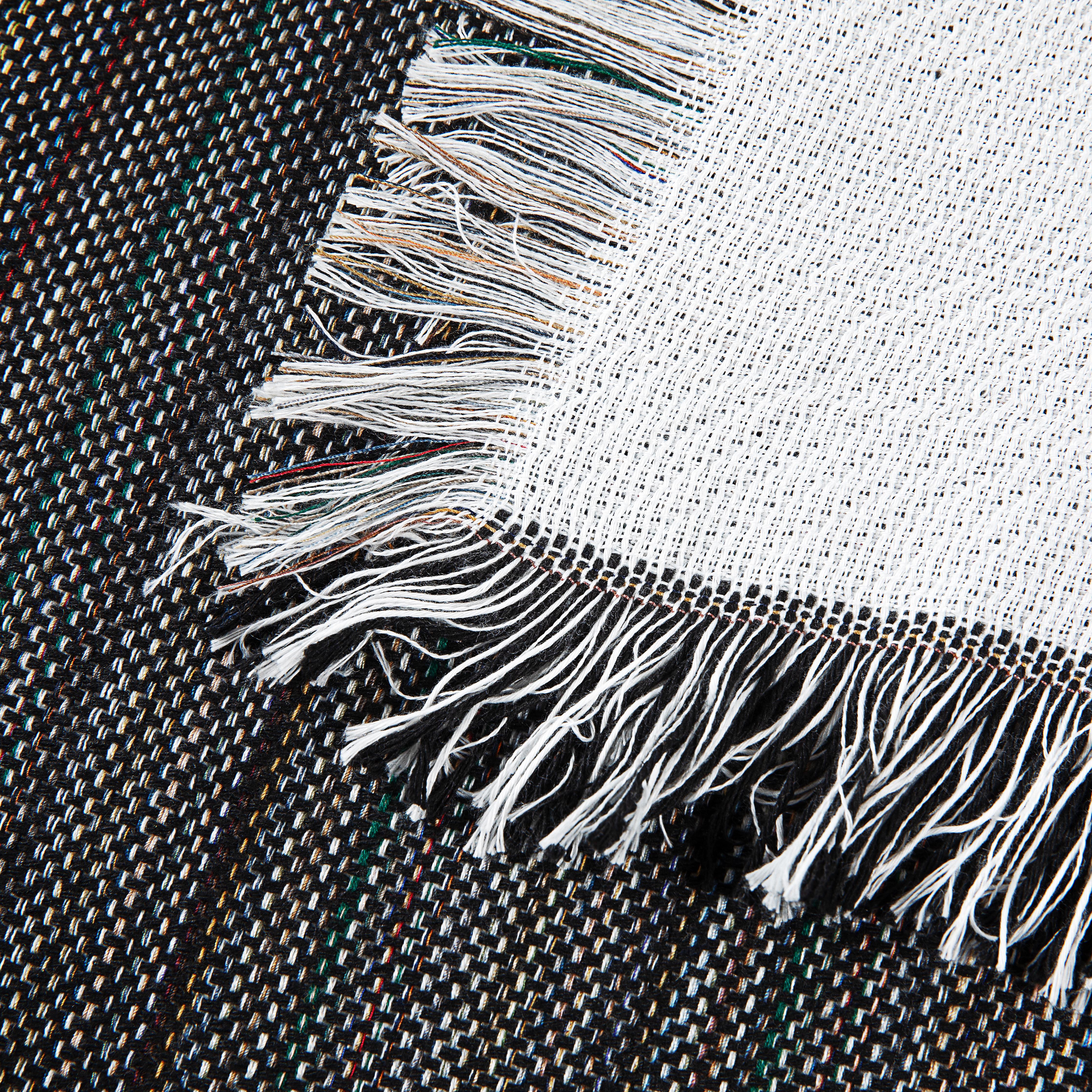
This is where the quality of your blank product becomes a powerful competitive advantage. Imagine you're targeting the wedding gift market. A generic, thin fleece blanket is forgettable. But a luxurious, plush sherpa throw or a beautifully crafted custom woven tapestry blanket becomes an instant heirloom—a premium product that justifies a much higher price. As textile specialists, we've built our business on this core belief: the blank itself is a fundamental part of your brand's promise.
This shift in customer desire is backed by powerful trends. A recent study shows that 80% of shoppers now prefer personalized products. For businesses like embroidery studios or gift shops, the short-run capabilities of POD can cut production costs by up to 30%. The market is clearly moving toward unique, high-quality goods.
Thinking Beyond the T-Shirt
To build a truly profitable business, you need to curate a product line that solves a problem or fulfills a specific desire for your niche.
- For the outdoor enthusiast: Consider offering a durable, high-quality outdoor picnic blanket with a micro-plush top that can be customized with national park designs or hiking trail maps.
- For the new homeowner: Create a line of mink touch blankets or woven tapestries that can be personalized with a family name and their "established" date.
- For the boutique sports fan: Design premium golf towels featuring subtle, clever graphics related to their favorite local course.
For those of you planning to bring production in-house, pairing the right product with the right printing technique is everything. Our guide on a starter kit for t-shirt printing machines offers valuable insights into the equipment you'll need, which you can adapt for printing on all sorts of textiles.
By focusing on premium blanks and a specific audience, you transform your print-on-demand venture from just another t-shirt shop into a destination brand people genuinely want to buy from.
Finding Your Suppliers and Mastering Production
Your designs might be brilliant, but in the print-on-demand world, your product is only as good as the blank canvas it’s printed on. This makes your choice of supplier one of the most critical decisions you'll make. It impacts everything—product quality, profit margins, and whether your customers become raving fans.

It doesn't matter if you're using a large fulfillment partner or printing everything in-house. A low-quality blank—be it a blanket, towel, or tote bag—directly reflects on your brand. Shoddy materials lead to disappointed customers and negative reviews, which can quickly undermine your hard work.
Generalist vs. Specialist Suppliers: Who to Trust?
As you search for blank products, you'll find two main types of suppliers: generalists and specialists. Generalists are the big-box stores of the wholesale world. They offer a massive catalog of... well, everything. Mugs, phone cases, basic t-shirts, you name it. They are often the default choice for large, all-in-one POD platforms.
A textile specialist, on the other hand, is laser-focused. At Spark Blank Textiles, we are built for makers and small businesses. We don't try to stock a million different items. Instead, as textile specialists, we obsess over curating a high-quality selection of textiles like fleece, sherpa, and woven tapestry blankets that we've tested and know produce stunning results for sublimation and embroidery. We compete on quality, not on being the cheapest option.
Working with a specialist gives you a significant competitive edge. You gain access to unique, premium products that aren't available on every generic POD marketplace. This allows your brand to stand out, feel more exclusive, and justify a higher price point.
The Most Important Step: Order and Test Samples
We can't emphasize this enough: never sell a product you haven't seen, touched, and tested yourself. Mockups are fantastic for your storefront, but they can't tell you how a fabric actually feels. They won't show you how vibrant the colors look after being pressed, or how an item holds up after a few laundry cycles.
Ordering samples is a non-negotiable part of your quality control process.
Our Pro Tip: When your samples arrive, don't just admire them. Put them through a real-world stress test. Print one of your most complex, detailed designs on them. Wash and dry them exactly as you’d tell a customer to. Did the color fade? Does the fabric pill or shrink? How does it feel against the skin? You have to be certain that the product you ship matches the premium promise you're making to your customers.
Create a simple checklist to grade each sample. This helps you stay objective and make a decision based on quality, not just the price tag.
Your Sample Evaluation Checklist
Use this framework to compare blanks from different suppliers side-by-side:
- Printability: How well does the fabric take ink or thread? For sublimation, are the colors sharp and vibrant, or do they look dull and muddy?
- Feel & Hand: Is the product soft and something you'd want to use? A 300 GSM fleece feels very different from a 430 GSM sherpa. Does the feel align with the premium brand you're building?
- Durability: Does the item feel well-made? Check the stitching, seams, and overall construction. Does it feel like it will withstand daily use?
- Color Accuracy: How close is the final print to your digital design file? Some fabrics can slightly alter how colors appear, which is why physical testing is so important.
Matching Printing Methods to Fabrics
If you're printing in-house, knowing which method works best with which material is crucial. For products like our blankets and towels, the two most popular methods are sublimation and embroidery.
Sublimation is a digital printing process where heat turns ink into a gas that infuses directly into the fabric's polyester fibers. This creates incredibly vibrant, full-color designs that are permanent and will never crack or peel.
- Best For: Polyester-heavy fabrics. Think fleece, the printable side of a sherpa blanket, mink touch, and the micro-plush tops of our picnic blankets.
- Not For: Natural fibers like 100% cotton, as the ink won't bond with the fabric.
Embroidery uses thread to stitch a design directly onto a fabric, creating a textured, high-end look that feels premium and durable. For a deeper dive, check out our guide on where to buy the best embroidery blanks to ensure your projects look professional.
- Best For: Heavier fabrics that can support the stitch count without puckering, like our thick blankets, golf towels, and sturdy apparel.
- Not For: Very thin or lightweight fabrics that could tear or warp under the needle.
By being selective about your suppliers and truly understanding your production process, you build a solid foundation. This is how you create a print-on-demand business that people will trust, love, and recommend.
Building Your Brand and Ecommerce Storefront
Alright, you've identified your niche and secured your suppliers. Now for the exciting part: building the home for your business. Think of your brand and your online store as the twin pillars supporting your entire venture. Getting these right is what turns a curious visitor into a loyal customer.
Your brand is much more than just a logo. It's the feeling people get when they see your products or read your posts. It’s the promise you make about quality and the personality that shines through in everything you do. You're building a reputation before you even make your first sale.
Defining Your Brand Identity
First things first, let's nail down the core elements of your brand. The goal here is to keep it simple and laser-focused on connecting with the audience you worked so hard to identify. Clarity always beats complexity.
- Brand Name: Aim for something memorable and easy to spell that hints at what you offer. Before you commit, do a quick search to ensure the domain name and social media handles are available. Consistency is key.
- Logo Design: You don't need a masterpiece. For a new business, a clean, simple logo—perhaps a unique font or a minimalist icon—often looks far more professional than something overly complicated.
- Brand Voice: This is where the magic happens. Your brand's voice is its personality. Are you witty and sarcastic, or inspirational and heartfelt? At Spark Blank Textiles, we aim for a "friendly, knowledgeable, supportive but professional" voice. We're experts who speak in accessible language—like an experienced friend in the industry.
When a customer sees the same logo, colors, and tone on your store, your Instagram, and your packaging, it builds immense trust. It signals that you're a legitimate, professional operation.
Setting Up Your Ecommerce Hub
Your online store is your digital real estate. It needs to be inviting, easy to navigate, and, most importantly, trustworthy. While there are many options, a platform like Shopify is a favorite among small business owners for a reason—it’s designed to make this process as smooth as possible for new entrepreneurs.
Don't get bogged down trying to use every feature at once. To get your shop live and ready for business, focus on these key areas.
- Homepage: This is your digital welcome mat. It must instantly tell people what you sell and who you sell it for. Place your bestsellers or newest designs front and center.
- Product Pages: This is where the sale is made or lost. You need great-looking mockups, but it’s the product description that ultimately convinces someone to click "buy."
- Payment Integration: Make it incredibly easy for people to pay you. Set up trusted gateways like Shopify Payments, PayPal, and Apple Pay to remove any friction at checkout.
- Policy Pages: Don't overlook the legal fine print. Clear, easy-to-find pages for your Shipping Policy, Return/Refund Policy, and Privacy Policy build confidence and protect your business.
A mistake we see all the time is new shop owners burying their best products. Your homepage should be a curated showcase. If you’re running an Instagram ad for a new custom blanket, make sure that exact blanket is the first thing people see when they click through. Don't make them go on a scavenger hunt.
Writing Product Descriptions That Sell Experiences
Here's a pro tip: people don't buy products; they buy the feeling or the solution the product provides. Your descriptions need to sell an experience, not just list specifications. Your job is to translate technical details into real-world benefits for your customer.
For instance, don't just say a sherpa throw is "430 GSM."
Instead, paint a picture: "Wrap yourself in pure luxury with our premium sherpa throw. At a substantial 430 GSM, this blanket has a wonderfully comforting weight and plushness that feels like a constant, cozy hug—perfect for chilly evenings on the couch."
See the difference? You're not just selling fabric; you're selling comfort, warmth, and the feeling of home. This is how you justify a premium price and make your products feel truly special. If you're planning to sell across different platforms, this skill is a game-changer. You can apply these same principles using our guide on how to start an Etsy shop.
By establishing a cohesive brand and building a user-friendly store, you create an online experience that not only builds trust but makes buying from you feel effortless and exciting.
Marketing Your POD Products and Finding Customers

You’ve poured your creativity into brilliant designs and built a fantastic-looking storefront. So, where are the customers? This is the moment every new entrepreneur faces. Creating the product is only half the journey; the real work begins when you get those products in front of the right people.
The good news is you don't need a huge budget to start making an impact. The most effective marketing strategies for a new POD business are all about creating genuine connections with your niche audience. Let's explore how you can build buzz and drive your first sales.
Get Visual and Dominate Social Media
Visual platforms are a POD seller’s best friend. Platforms like Instagram, Pinterest, and TikTok are built for showing off beautiful products. Your secret weapon here? High-quality mockups that allow customers to envision your designs in a real-world context.
But simply posting a product shot and hoping for the best isn't enough. A classic marketing rule suggests a potential customer needs to see your brand at least seven times before considering a purchase. Your job is to show up consistently but in different, engaging ways.
- Pull Back the Curtain: Share a time-lapse of your design process. Post early sketches and ask your followers for feedback. Involving your audience makes them feel like part of your brand's journey.
- Create Aspirational Lifestyle Shots: Move beyond sterile, white-background mockups. Drape your custom blanket design over a cozy sofa or place your new golf towel next to a set of clubs. Help people imagine your product in their life.
- Order and Unbox Your Own Samples: This is huge. Film yourself opening your physical products for the first time. Your genuine excitement is contagious and provides undeniable social proof that you believe in your quality.
By showing up again and again with fresh, interesting content, you’re not being repetitive—you’re building a brand that people start to recognize and trust.
Tell a Story with Content Marketing
Content marketing isn't just a sales pitch; it's your opportunity to provide real value and build a community around your brand. This is where you can showcase the premium quality you've worked so hard to source, especially if you’re using superior blanks like our plush sherpa throws or intricate woven tapestries.
A simple blog or a series of short-form videos can work wonders here.
Our Two Cents: Don't just sell the product—sell the feeling. Instead of a post that just says, "New blanket available," create a short video of your outdoor picnic blanket being the centerpiece of a perfect family day at the park. Storytelling creates an emotional hook that makes your product far more memorable than a competitor's.
Your content should aim to inspire your audience and answer their questions. For example, you could explain why the 430 GSM weight of a sherpa blanket makes it the ultimate cozy gift or create a video showing how sublimation makes colors pop on a fleece throw.
Get Found with Basic SEO
Search Engine Optimization (SEO) sounds more intimidating than it is, especially when you're starting out. The goal is simple: make it easy for Google to understand what your store is about so it can show your products to people actively searching for them.
You can get started with just a few fundamental tweaks:
- Craft Descriptive Product Titles: "Cool Blanket" is a dead end. Try something like, "Boho Floral Woven Tapestry Blanket for Bedroom Wall Decor." Put yourself in your customer's shoes—what would they actually type into the search bar?
- Weave Keywords into Descriptions: Don't just stuff them in; work them naturally into your product descriptions. If you sell a custom gift for dog lovers, make sure phrases like "personalized gift for dog mom" or "custom pet portrait blanket" appear organically in your text.
- Name Your Images Smartly: Before uploading, rename your image files from "IMG_1234.jpg" to something a search engine can read, like "custom-sherpa-photo-blanket.jpg." It’s a tiny step with a real impact.
Build a Loyal Following with Email
Your email list will quickly become your most valuable marketing asset. You don't own your social media followers—an algorithm change can wipe out your reach overnight. But you own your email list. It's a direct line to your most passionate customers.
Start collecting emails from day one by offering a good reason to sign up. A "10% off" coupon is fine, but you can get more creative. Why not offer a free digital wallpaper pack featuring one of your signature designs? Once they’re on your list, you can share new product launches, behind-the-scenes content, and exclusive deals that turn one-time shoppers into lifelong fans.
Common Questions About Starting a Print on Demand Business
When you're first diving into the world of print on demand, a lot of questions come up. It's natural. Getting the right answers from the start can make all the difference between a business that thrives and one that sputters out. Let’s tackle some of the most common questions we hear from makers and small business owners.
What's the Real Startup Cost?
Honestly, this can range from less than a hundred dollars to a few thousand. It all boils down to your chosen fulfillment method.
If you go the route of a third-party POD service, your initial investment is surprisingly small. You’re mainly looking at your ecommerce store subscription (like a basic Shopify plan) and maybe some design software costs. Since you don't purchase any inventory until a customer buys something, your financial risk is incredibly low.
Deciding to print your own products in-house is a different story. This is where you'll have more significant startup costs. You’ll need to buy your own equipment—a good heat press and sublimation printer setup can easily run from $800 to $2,000+. Plus, you'll need to purchase a starting batch of blank products. For example, getting an initial run of premium blankets from a textile specialist like us might set you back a few hundred dollars.
Our Advice: No matter which path you choose, always budget for samples. We tell everyone to set aside at least $50 to $200 for this. You absolutely must see, touch, and test the quality of your products before you ever list them for sale.
Should I Use a POD Partner or Do It Myself?
This is a major decision, and the right answer depends on your goals, budget, and how much control you want over your final product.
Using a third-party fulfillment partner like Printful or Printify is a fantastic starting point for most beginners. It’s a very hands-off model that lets you skip the investment in pricey equipment. This frees you up to pour all your energy into creating great designs and marketing your store. The trade-off? Your profit margins will be thinner, and you’re placing your brand's quality reputation in someone else's hands.
Printing in-house by sourcing your own high-quality blanks is the path to higher profits and total brand control. This is the move for entrepreneurs who are serious about building a premium brand, have capital to invest, and enjoy the process of making things. It lets you offer unique products that aren't in every other POD catalog, like our curated selection of fleece and sherpa blankets.
Many successful brands do both. They start with a partner to validate ideas and then bring production in-house once they're ready to scale and focus on quality and profitability.
What Are the Most Profitable Products to Sell?
Everyone thinks t-shirts. And while they're a classic, the market is completely flooded. It's incredibly tough to stand out and even harder to charge a premium price. From our experience, the real profit is in categories with a higher perceived value where there's less competition.
Think about home goods. A custom woven tapestry blanket, a plush sherpa throw, or a unique outdoor picnic blanket can sell for a much higher price than a t-shirt. Customers don't see these as disposable fashion; they see them as premium gifts, statement decor, or even future heirlooms. That justifies a higher price tag.
To boost your profit on every sale, we'd recommend focusing on product types like these:
- Premium Home Decor: Textiles that become the centerpiece of a room, not just a casual accessory. Our curated blanket selection is perfect for this.
- Specialized Accessories: Think niche items where quality matters, like a high-quality golf towel or a beautifully printed beach towel.
- Pet Products: People love their pets and are willing to spend. Custom blankets and bandanas are always a hit in this passionate market.
The magic formula is simple: find a high-quality blank from a specialist supplier and match it with an audience that's passionate about a specific niche. That’s how you build a truly profitable print on demand business.
Ready to move beyond generic products and build a brand that people remember? The quality of your blank products is the foundation of any premium print on demand business. At Spark Blank Textiles, we’ve hand-picked a collection of top-tier blankets, towels, and more—all thoughtfully chosen for comfort, quality, and creativity. Explore our wholesale selection and start creating products you'll be genuinely proud to sell.