How to Start an Etsy Shop That Actually Succeeds
Ready to jump into the world of Etsy? It’s an exciting move, but a little planning upfront can make all the difference between a side-hobby and a thriving business. Getting it right comes down to three things: zeroing in on a specific product niche, sketching out a simple business plan, and sourcing premium-quality textiles that will get you those coveted five-star reviews right out of the gate.
Finding Your Niche Before You Open Shop
Before you even think about a shop name or a fancy logo, the real first step is defining your niche. This is the bedrock of your entire shop, influencing every other decision you'll make. Without that sharp focus, it’s far too easy to get lost in the sea of Etsy's millions of sellers.
A classic mistake is trying to be everything to everyone. Just listing "custom blankets" and crossing your fingers is a recipe for being ignored. The real magic happens when you carve out a specific corner of the market. Instead of generic blankets, you could build a whole brand around:
- Personalized Woven Tapestry Blankets for Wedding Gifts: This targets a clear audience—couples and gift-givers—with a high-value, heirloom-quality product.
- Custom Pet Portrait Sherpa Throws: You’re tapping directly into the massive, passionate market of pet owners who adore seeing their furry friends on, well, everything.
- Monogrammed Golf Towels for Corporate Events: This B2B angle targets businesses looking for premium, branded items, opening up a completely different customer base.
This whole pre-launch process is about strategic thinking before you act. It’s about nailing down your niche, your plan, and your costs so you can launch with confidence.

As you can see, a successful launch isn't about rushing to list a product. It starts with smart thinking about your niche, your approach, and your numbers.
Research What's Already Selling
Once you have a few niche ideas, it's time to put on your detective hat. Spend time browsing Etsy as if you were a customer. Search for the products you're considering and dissect the top results. What are the best-selling listings doing right? Pay close attention to their photography style, their pricing strategy, and the specific words they use in their titles and descriptions.
This hands-on research is where you'll find your opening. Maybe you notice most personalized blankets use the same five fonts, and you have stronger design skills. Or perhaps you see a ton of basic fleece options but very few luxurious sherpa blankets. That's your gap in the market. That’s where you can add unique value.
Key Takeaway: A breakout Etsy shop isn't always about inventing a brand-new product. More often, it’s about finding a popular category and simply doing it better—with higher quality materials, more compelling designs, or a hyper-focused audience.
Create a Simple Business Plan
Don't let the words "business plan" intimidate you. We’re not talking about a 50-page formal document. For your new Etsy shop, a simple one-page outline is all you need to bring clarity to your goals.
Jot down the basics:
- Your Mission: What’s the big idea? (e.g., "To become the go-to Etsy shop for personalized baby shower blankets.")
- Your Products: What exactly will you sell? (e.g., "Mink touch baby blankets and matching fleece milestone blankets.")
- Your Target Customer: Who are you really selling to? (e.g., "New moms, grandparents, and friends buying unique baby shower gifts.")
- Financial Goals: What's a realistic sales target for your first six months?
This simple exercise forces you to think like a business owner, not just a maker. It gives you a roadmap and helps you make smarter decisions. If you want to dive deeper into operational structures, our guide on starting a print-on-demand business offers some great insights.
Understanding Your Startup Costs
It’s critical to get a handle on your costs before you make your first sale. You need to account for everything: Etsy's platform fees, the cost of your blank textiles and shipping supplies, and—don't forget this one—the value of your own time.
The good news is that the demand is there. With over 90 million active buyers, Etsy is a powerhouse, especially in categories like Home & Living. This proves there’s a huge appetite for the exact kind of custom products you’re planning to sell.
The fact that 97% of Etsy shops are run from home shows just how accessible this is for entrepreneurs. Your main investment will be your starting inventory. As textile specialists, we can’t stress this enough: sourcing premium-quality textiles from a trusted supplier like Spark Blank Textiles is non-negotiable. It ensures your final product has that wow-factor feel, which directly translates into glowing reviews and repeat customers.
Your Etsy Shop Pre-Launch Checklist
To make sure you've got everything in order, here’s a quick-reference checklist to run through before you hit the "Open for business" button. This prep work will help you launch smoothly and strategically.
| Phase | Action Item | Key Consideration | Recommended Tool/Resource |
|---|---|---|---|
| 1. Ideation & Research | Define Your Niche | Is the audience specific and passionate? Is there a gap in the market? | Etsy Search Bar, eRank |
| 1. Ideation & Research | Competitor Analysis | What are top sellers doing right? (Photos, pricing, keywords) | Browsing Etsy's "Bestseller" pages |
| 2. Planning & Strategy | Create a Simple Business Plan | Outline mission, products, target customer, and financial goals. | Google Docs, a simple notebook |
| 2. Planning & Strategy | Calculate Startup Costs | Factor in supplies, fees, shipping materials, and your time. | Spreadsheet (Google Sheets, Excel) |
| 2. Planning & Strategy | Source High-Quality Blanks | Does the quality justify your price and reflect your brand? | Spark Blank Textiles |
| 3. Setup & Branding | Choose a Shop Name | Is it memorable, unique, and easy to spell? | Etsy's shop name availability checker |
| 3. Setup & Branding | Design Basic Branding | Create a simple logo and banner that fits your niche's aesthetic. | Canva |
Following this checklist helps ensure you're not just launching a shop, but a well-thought-out brand. It's this strategic approach that separates the hobbyists from the businesses that truly thrive on Etsy.
Building Your Digital Storefront and Brand
Alright, you've nailed down your niche. Now for the fun part: building the actual shop where people will fall in love with your products. This isn't just a technical checklist; it's about creating a genuine brand experience. First impressions happen in a blink, and a professional, pulled-together shop is what convinces a casual browser to become a paying customer.
Starting an Etsy shop is more than just uploading a few product photos. It’s a series of thoughtful choices about your name, your look, and the story you want to tell. When all these pieces work together, they communicate quality and reliability, assuring shoppers they’re buying from a real business that cares about its craft.
Choosing a Memorable and SEO-Friendly Shop Name
Your shop name is your digital handshake. It needs to be catchy, easy to spell, and ideally, hint at what you sell. A common mistake is picking a name that's either too generic or already taken. Before you get too attached, do a quick search on Etsy and any social media platforms you plan to use.
The sweet spot is a name that balances creativity with clarity. For instance, if you're selling custom pet blankets, a name like "Pawprint Throws" works much better than "Jenna's Creations." It's specific, searchable, and tells a potential customer what you’re all about in a split second.
Stuck on ideas? Here are a few angles to consider:
- Descriptive: Straight to the point (e.g., "Woven Heirlooms Co").
- Evocative: Creates a vibe or feeling (e.g., "Cozy Moments Studio").
- Invented: Totally unique, letting you build a brand from scratch (e.g., "Knitly").
Designing Your Shop's Visual Identity
Think of your shop's logo and banner as your storefront window display. They need to look professional and match the vibe of your niche. The good news? You don't need a graphic design degree. Tools like Canva have thousands of templates that make it easy to create polished, professional-looking assets.
Your visual brand is more than just a logo. It’s the whole package: your color palette, the fonts you use, and the overall mood. Are you going for a sleek, modern look for corporate gifts? Or maybe a warm, rustic feel for custom wedding tapestries? Keeping this look consistent across your banner, logo, and product photos is how you build a strong, recognizable brand.
A cohesive brand isn't just about looking professional—it's about building recognition and trust. When a customer sees that consistency, it communicates a real attention to detail, making them feel much more confident hitting that 'buy' button.
Crafting a Compelling About Section
Your "About" section is your secret weapon for connecting with customers. This is where you get to be a real person. Share your story, your passion for textiles, and what makes your business unique. Don't just list facts; tell a story. Why did you start this shop? What gets you excited about creating your products?
As textile specialists ourselves, we know that quality is a story worth telling. If you’ve decided to use premium materials like our incredibly soft sherpa or rich woven tapestry blankets, this is the place to talk about it! Explain what makes your products different and why you chose those specific materials. This narrative builds a connection and helps justify your pricing, shifting the conversation from cost to value. It's a game-changer for turning a simple shop into a go-to brand.
Configuring Your Shop Policies and Payments
Last but not least, it's time to dot the i's and cross the t's. Etsy does a great job of walking you through the setup for payments and shop policies, but you need to be deliberate here. Your policies on shipping, returns, and custom orders are what set clear expectations, protecting both you and your buyers.
Be crystal clear. If you’re selling custom-printed items, it’s completely standard to have a "no returns on personalized goods" policy. Just make sure you state it clearly to avoid any awkward conversations later. For shipping, take advantage of Etsy's calculated shipping profiles. This will save you a ton of headaches, especially since the shipping cost for a heavy sherpa blanket is worlds away from a lightweight golf towel. Nailing these details from day one makes for a smooth, professional operation.
Getting Your Product Listings to Convert
A fantastic product with a weak listing is like a masterpiece gathering dust in a dark closet. To succeed on Etsy, you have to create product pages that don't just pull shoppers in but actually convince them to click "buy." This is doubly true when you're selling customizable textiles, where your visuals and descriptions have to do all the heavy lifting.
Think of every listing as your own digital salesperson. It needs to be sharp, persuasive, and armed with all the right details to close the sale. That means a smart mix of amazing photos, savvy SEO, compelling descriptions, and a pricing strategy that actually builds a profitable business.

Photography and Mockups That Sell
On Etsy, photos aren't just pictures—they're how customers experience your product. Since a shopper can't physically feel the plushness of a sherpa throw or the quality of a woven tapestry, your images need to bridge that sensory gap. High-quality, bright, and crystal-clear photos are completely non-negotiable.
When you're selling blank textiles, mockups are your secret weapon. They let you showcase an endless stream of design possibilities without having to print every single variation.
- Showcase Versatility: Use mockups to display all sorts of designs on the same blanket, from pet portraits to corporate logos. This is crucial for helping customers visualize their own idea on your product.
- Lifestyle Shots Are Everything: Don't just stick with a basic flat-lay. Show your custom beach towel on a sandy shore or a personalized picnic blanket being used in a park. Lifestyle shots help shoppers picture your products in their own lives.
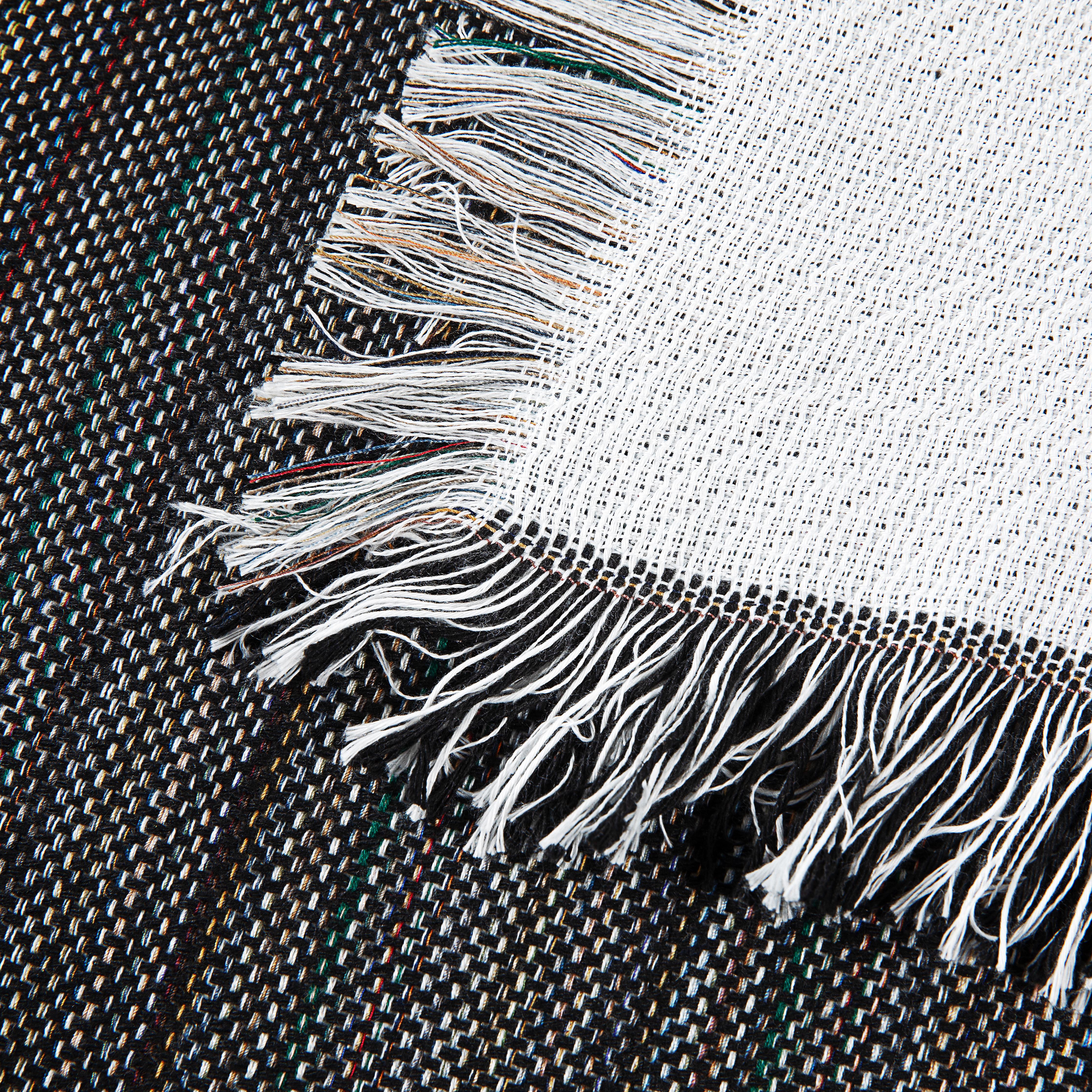
- Highlight the Quality: Get up close and personal. A macro shot revealing the dense, fluffy backing of a sherpa throw can communicate its premium feel far more powerfully than words ever could.
Pro Tip: Make a short video for your listing. A simple clip of a blanket draping over a couch or a towel being unrolled can seriously boost engagement. It shows off the quality in a way that static images just can't match.
Mastering Etsy SEO for Visibility
With millions of other sellers on the platform, just listing an item and hoping for the best won't get you anywhere. Etsy SEO is what drives buyers to your shop. The game is about thinking like your customer and using the exact words and phrases they'd type into that search bar.
Your product title is the single most important piece of your SEO puzzle. It needs to be descriptive, packed with keywords, and still easy for a human to read.
So, instead of a weak title like "Custom Blanket," aim for something much stronger: "Personalized Pet Photo Blanket, Custom Dog Portrait Sherpa Throw, Memorial Gift for Pet Lover."
That single title targets several different search queries at once. Your next move is to reinforce these keywords in your 13 available tags and weave them naturally into your product description. Using a tool like eRank or Marmalead can be a lifesaver for finding high-demand keywords with less competition in your specific niche.
Writing Descriptions That Persuade
Once your photos and title have grabbed their attention, the product description is where you make the sale. This is your chance to tell a story and sell the quality that makes your products different. Don't just list the specs; sell the experience.
Instead of saying, "Made of polyester," describe the feeling: "Wrap yourself in incredible softness with our Mink Touch blanket, designed for vibrant, edge-to-edge sublimation that brings your memories to life."
Mentioning the textile's specific qualities, like our fast US shipping or curated selection, adds a tangible measure of quality that discerning buyers notice. It subtly reinforces that you're a textile expert, not just another seller. You can get a better handle on how different materials impact your final print by checking out our resources on choosing the right heat transfer paper.
Strategic Pricing for Profitability
Alright, let's talk money. Pricing your products can feel like guesswork, but a simple formula can bring clarity. You have to account for the cost of your materials, your time, all of Etsy's fees, and, of course, your desired profit margin. One of the biggest mistakes new sellers make is underpricing, which quickly turns a potential business into an expensive hobby.
The competition on Etsy is real. As of 2024, the platform was home to 7.8 million active sellers. To stand out, your pricing has to reflect the premium quality of your textiles.
Always remember to factor in Etsy's 6.5% transaction fee and the payment processing fee of 3% + $0.25 into every single price. For more on the platform's user base and fee structures, you can find detailed Etsy statistics and trends on ElectroIQ.com. Your goal isn't to be the cheapest—it's to compete on quality and service. Our curated selection of high-end textiles is what sets you apart. Price accordingly.
Managing Orders and Creating a Great Customer Experience
Hearing that first "cha-ching" from the Etsy app is a thrill, but what comes next is what truly builds your business. Getting the sale is just the beginning; turning that buyer into a repeat customer with a glowing five-star review depends entirely on your fulfillment process.
This is where your reputation is forged. It's not just about the quality of the sublimation blanket you ship out, but the entire experience you wrap around it. From the moment an order lands in your queue, your mission is to make that customer feel confident, cared for, and excited.

Packaging for a Memorable Unboxing
Think of your package as the first handshake with your customer. It’s their first tangible interaction with your brand, so don't let it be a forgettable, generic mailer. A thoughtful unboxing experience can single-handedly earn you a great review or even a shout-out on social media.
You don’t have to break the bank to make a powerful impression. Small, intentional touches go a very long way.
- Protect and Present: Make sure your textiles are neatly folded and shielded from any potential shipping hazards. For a more premium item like a custom woven tapestry, simply tying it with a bit of ribbon or natural twine adds a touch of elegance.
- Add a Personal Note: A simple, handwritten thank-you card can be incredibly impactful. It’s a genuine reminder that there's a real person behind the shop who truly appreciates their business.
- Include Care Instructions: Tucking in a small, professionally printed card explaining how to care for their new custom blanket or towel is a pro move. It helps the customer keep their item looking its best and shows you care about the product long after it leaves your hands.
A memorable unboxing bridges the gap between a simple online transaction and a genuine brand connection. It's your final, and most tangible, opportunity to communicate the quality and care you put into your products.
Setting Up Smart Shipping Profiles
Let’s be honest: shipping can be a massive headache for new sellers. The secret to avoiding the pain is setting up accurate shipping profiles from day one. If you don't, you'll inevitably undercharge and watch your profits disappear.
Etsy’s calculated shipping feature is an absolute must-use.
Instead of guessing with a flat rate, create different profiles based on the actual weight and dimensions of your products. A lightweight golf towel will cost significantly less to ship than a heavy sherpa blanket. Using calculated shipping ensures every customer pays the correct postage for their specific location—it's fair for them and crucial for your bottom line. Having the right tools, like a small shipping scale and a reliable printer, makes this a breeze. If you're scaling up, check out our guide on finding the right large dye sublimation printer.
Mastering Customer Communication
Proactive, friendly communication is the foundation of five-star service. Never leave your customers guessing. While Etsy automates the order confirmation email, personal follow-ups are what set you apart.
Consider sending a quick, personal message to thank them and confirm any personalization details. It shows you're on the ball and gives them confidence in their purchase. When the order ships, Etsy sends an alert, but a brief message from you saying, "Hey, your order is on its way!" adds that extra layer of reassurance.
This kind of hands-on service builds incredible trust and makes customers feel truly valued—and that’s how you turn a one-time buyer into a loyal fan.
Your First 30 Days of Marketing and Launch
Flipping the switch to "open" on your Etsy shop is a huge milestone, but it's just the starting line, not the finish. The real work begins now: getting your beautiful products in front of actual customers. Your first 30 days are all about building momentum, creating a little buzz, and laying the groundwork for a steady stream of orders.
Think of this initial period less like a single, explosive event and more like a carefully planned launch sequence. The goal isn't just to make a quick sale; it's to land those first glowing reviews and start building a real, recognizable brand that people trust.

Announce Your Grand Opening
Your personal network is your most valuable asset right out of the gate. Don't be shy about your new venture! Let everyone know your shop is live by posting on your personal social media profiles like Facebook or Instagram. Friends and family are often your first cheerleaders and can be instrumental in getting that initial traction.
Craft a simple, heartfelt post sharing your excitement and a direct link to your shop. A personal touch goes a long way. For example, you could share a photo of the very first custom pet photo blanket you perfected and tell the story of what inspired you to start.
A "friends and family" launch isn't just about making pity sales. It’s about generating crucial early shop activity—views, favorites, and maybe a few orders—that signals to the Etsy algorithm that your new shop is active and worth showing to more people.
Harness the Power of Visual Social Media
For products as visual as custom textiles, platforms like Pinterest and Instagram are non-negotiable. This is where your target audience is already scrolling, actively looking for inspiration for gifts, home decor, and one-of-a-kind personalized items.
-
Pinterest: Think of this as a visual search engine. Create gorgeous pins featuring your best mockups and lifestyle shots. Use descriptive, keyword-rich captions people are actually searching for, like "custom photo sherpa blanket for grandma" or "personalized woven tapestry wedding gift." A single, well-crafted pin can drive traffic to your shop for months.
-
Instagram: Use high-quality photos and short video Reels to show off your products in their best light. A quick video of a plush sublimation blanket being unboxed or a vibrant beach towel spread out on the sand can be incredibly compelling. Use relevant hashtags to expand your reach beyond your followers.
Your goal on social media isn't just to post product photos. It's to tell a story about the quality and uniqueness of your items. Showcasing the rich texture of a woven tapestry or the incredible softness of a sherpa throw helps customers visualize the premium item they'll be receiving.
As a new seller, you might be wondering where to focus your limited time and energy. Here’s a quick breakdown of the most common channels.
Beginner's Marketing Channel Comparison
| Marketing Channel | Best For | Effort Level | Potential Cost |
|---|---|---|---|
| Long-term, passive traffic; reaching a "planning" audience (gifts, events). | Medium | Free (or Paid Ads) | |
| Building a brand community; showcasing product quality through visuals. | High | Free (or Paid Ads) | |
| TikTok | Viral potential; showing the creation process or product use in a fun way. | High | Free |
| Etsy Ads | Getting immediate visibility on Etsy; testing product demand quickly. | Low | $$ - $$$ |
| Facebook Groups | Niche marketing; targeting specific communities (e.g., dog lover groups). | Medium | Free |
Ultimately, picking one or two channels and doing them well is far more effective than spreading yourself too thin across all of them.
Dipping Your Toes into Etsy Ads
Organic marketing is a marathon, not a sprint. Etsy Ads can give your brand-new listings a vital boost, getting them in front of active buyers from day one. And no, you don't need a massive budget to see results.
Start small. Set a daily budget of just $1 to $3 per day and focus on advertising only one or two of your absolute best listings—the ones with killer photos and the most compelling titles. This lets you test the waters, see which keywords are converting, and gather valuable data without a significant investment.
Etsy's platform has seen explosive growth, with revenue climbing from $0.82 billion in 2019 to $2.75 billion in 2023. To stand out among the crowd, you have to be willing to invest in promotion. Many savvy sellers budget around 20% of a sale's price for total fees and advertising, a strategy that helps them tap into the platform's 92 million active buyers. You can explore more key figures by checking out the latest Etsy statistics on Whop.com.
Encourage Those First Crucial Reviews
Social proof is everything on Etsy. A shop with zero reviews can feel like a gamble to a new buyer. Once you make those first few sales, encouraging reviews should become your top priority.
A simple, effective tactic is to include a small, branded note in your packaging. A friendly message like, "Love your new blanket? A review on our Etsy shop would mean the world to us!" can make a huge difference. You can also follow up with a polite, non-pushy message through Etsy a week or so after delivery to gently nudge happy customers to share their experience.
Got Questions? Let's Talk About Starting on Etsy
Diving into the world of Etsy is exciting, but let's be real—it also comes with a lot of questions. We hear the same ones all the time from new sellers just starting out. Getting these cleared up from the beginning will give you a solid foundation and a major confidence boost.
How Much Money Do I Really Need to Start?
The great thing about Etsy is that the platform itself has an incredibly low barrier to entry. Your only required fee to get started is the $0.20 USD it costs to list an item.
The real costs are in your inventory and supplies. If you're building a business on quality, you'll need an initial stock of premium textiles, like the sublimation blankets and towels we've sourced. You'll also need to think about shipping supplies and any gear for customization. A good starting budget usually lands somewhere between $300 to $1,000, which really just depends on how wide you want your initial product line to be.
You can start with free marketing on social media and then, once you see some sales rolling in, dip your toes into Etsy Ads with a tiny daily budget of just $1-$5.
Do I Need a Business License to Sell on Etsy?
This is a big one, and the answer is: it depends on where you live. Etsy itself won't ask you for a business license to open your shop.
However, your local government might see your shop as a legitimate business, which could mean you need to register it or collect sales tax. The best first step is to check with your city or county clerk's office to see what the specific rules are in your area.
A quick chat with a local tax professional or small business lawyer is one of the smartest investments you can make. Getting this sorted out from day one will save you a world of stress later on.
What Actually Sells Best on Etsy?
Personalized and custom items are, without a doubt, the reigning champions on Etsy. This is exactly why a shop built around customizable textiles has so much potential.
Year after year, the top categories are Home & Living (think custom blankets and towels), Craft & Supplies (like the blank textiles themselves), and Wedding & Party goods. Anything that can be made unique with a name, date, photo, or special design is what buyers are actively searching for. For a shop using high-quality blanks, these are proven winners:
- Personalized photo blankets with pictures of pets or family.
- Custom-designed beach towels for bachelorette parties or summer vacations.
- Branded woven tapestry blankets for corporate gifting or milestone events.
Keeping an eye on seasonal trends—holidays, wedding season, back-to-school—is also key to keeping your sales strong all year long.
Is It Still Worth It to Start an Etsy Shop?
Yes, 100%. While the platform is definitely more crowded than it used to be, it's also home to over 90 million active buyers. These aren't just any shoppers; they come to Etsy specifically looking for unique, high-quality, personalized products. It's a built-in audience you just can't find anywhere else.
The secret to success today isn't just showing up—it's having a well-defined niche. Don't just sell "custom blankets." Instead, become the go-to expert for "personalized pet photo sherpa throws" or "heirloom-quality tapestry blankets for wedding gifts."
When you target a specific customer with a superior product, you can absolutely build a thriving business. Etsy’s search engine gives you a real shot at being discovered, but it’s your unique quality and customer experience that will turn those first-time buyers into loyal fans.
Ready to turn your creative ideas into a thriving business? The journey from blank to brilliant starts with the perfect canvas. At Spark Blank Textiles, we've curated a collection of premium, print-ready blankets and towels specifically for makers like you.
Explore our collection and find the perfect blanks for your new Etsy shop at sparkblanktextiles.com