Michaels Heat Press: The Pro Maker's Guide for Textiles
You’re standing in a Michaels aisle, looking at a craft heat press, doing the math in your head. Can this machine make products you’d feel good shipping to paying customers, or is it only good for hobby projects and one-off gifts?
That’s a fair question. A michaels heat press is often a first step, not a final destination. For a new Etsy seller, a home-based print shop, or a maker adding textiles to an existing business, that first step matters a lot. Buy too cheap and you fight your equipment. Buy too big too early and you tie up cash you need for blanks, ink, packaging, and mistakes you haven’t made yet.
A Michaels-level press can produce clean, premium-looking work if you understand its limits and build your workflow around them. Most generic guides stop at “set temp, press, peel.” That’s where problems start, especially on thicker textiles.
Your Spark Starts with the Right Tools
A craft-store press appeals to new makers for a simple reason. You can get started fast. You don’t need to spend weeks comparing industrial machines, and you don’t need a dedicated production floor before you make your first sale.
That’s exactly why so many small businesses start here. They need a machine that feels reachable, available, and manageable. If you’re still dialing in transfers, artwork sizing, and fabric behavior, a simpler press can be the right training ground.
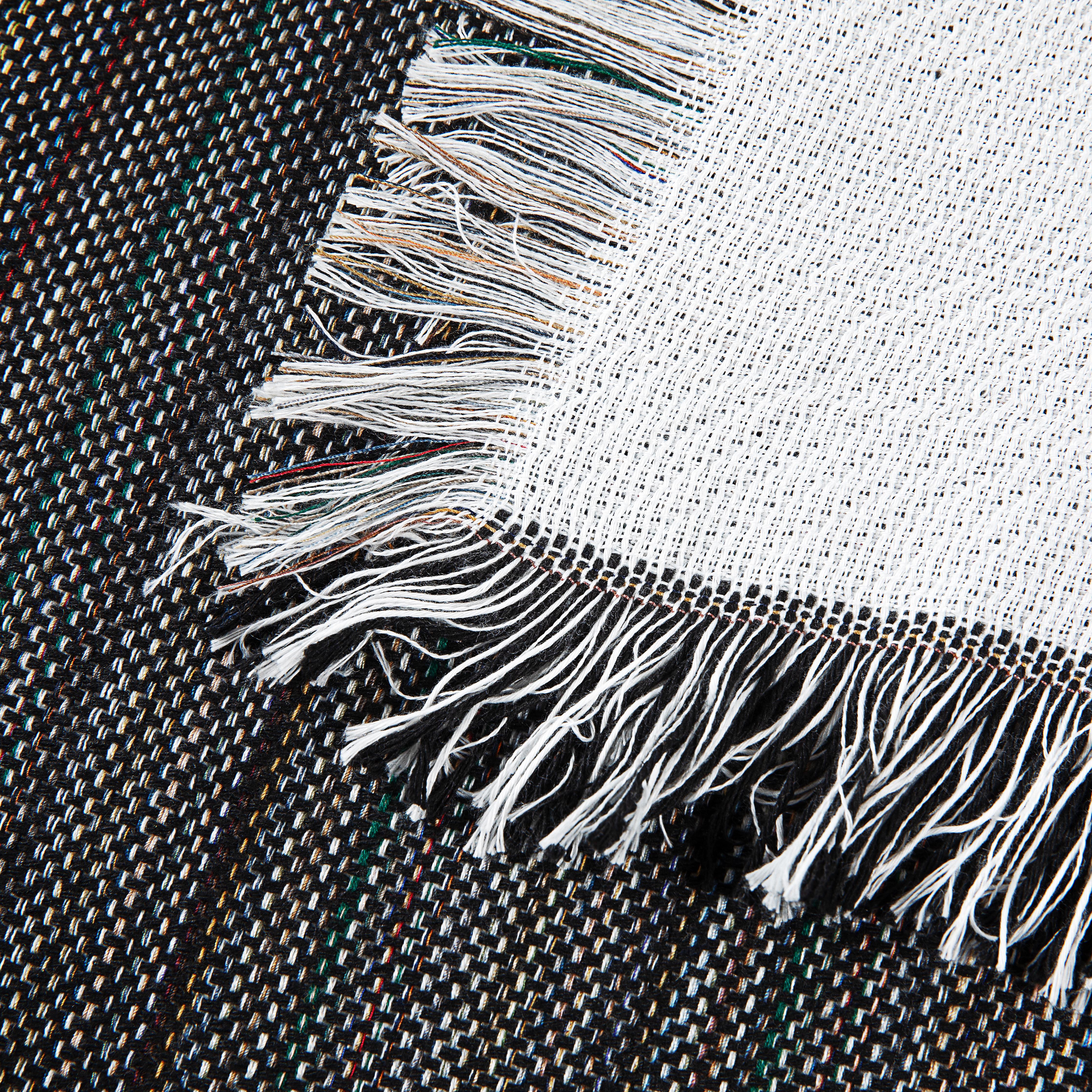
The catch is that textiles expose weaknesses faster than flat, thin apparel does. A fleece throw forgives some setup mistakes. A plush sherpa blanket or woven tapestry usually won’t. Thick or textured goods punish uneven pressure, weak heat recovery, and rushed loading.
Practical rule: Your first press doesn’t need to be perfect. It needs to be predictable enough that you can learn from every job.
A lot of new makers focus only on temperature. Experienced decorators know the real job is balancing heat, time, and pressure against the textile in front of you. If one of those is off, the blanket tells on you right away through faded areas, blur, ghosting, or an edge that never bonds cleanly.
If you’re still deciding whether a press should sit in your workflow at all, this overview of a heat press for apparel is a good primer before you commit to a machine.
What is a Heat Press and Why Michaels is a Starting Point
A heat press is a controlled way to apply heat, time, and pressure to fabric. The easiest way to think about it is this: it’s a very precise sandwich press for decorated textiles. Instead of toasting bread, it activates adhesive, dyes polyester, or bonds a transfer into the surface of the material.

The three variables that actually matter
Heat tells the transfer material to do its job. In sublimation, heat turns the printed dye into gas so it moves into the polyester surface. In HTV, heat softens the adhesive so it can bond correctly.
Time controls how complete that transfer becomes. Too short and the image looks weak or underdone. Too long and you can scorch, flatten texture, or create a muddy look on sensitive materials.
Pressure is what many beginners underestimate. Pressure decides whether the transfer contacts the fabric evenly. On thicker textiles, inconsistent pressure is often the hidden cause behind “mystery failures.”
Here’s the practical version:
- Too little pressure usually leaves incomplete transfer areas.
- Too much pressure can crush pile, distort a textured face, or push ink where you don’t want it.
- Uneven pressure creates results that look random but aren’t random at all.
Why Michaels enters the conversation so often
Michaels has become a common starting point because it’s accessible at scale. The company commands an estimated 40.4% market share in the U.S. Fabric, Craft & Sewing Supplies Stores industry, was founded in 1973, grew to more than 450 stores by 1996, and now operates more than 1,300 locations, giving makers broad access to craft tools in a global creative market valued at roughly $100 billion, according to IBISWorld’s company profile on Michaels.
That matters for a new decorator because availability changes buying behavior. If you can walk into a store, look at a machine, and leave with it the same day, you’re far more likely to start.
The real pros
A Michaels-tier press makes sense when you want:
-
Fast entry into production
You can start learning immediately instead of waiting for a specialty order. -
A lower-risk first purchase
That’s useful when your business is still proving demand. -
A manageable learning curve
Entry-level presses force you to understand fundamentals because they don’t hide mistakes.
The trade-offs that show up later
A budget craft press usually becomes frustrating in the same places:
| Where it helps | Where it struggles |
|---|---|
| Learning basic pressing workflow | Repeating premium results across bulky textiles |
| Small runs and test orders | Long production sessions |
| Simpler transfers on flatter goods | Thick, plush, or highly textured items |
| New sellers validating product ideas | Shops that need tight consistency |
The machine itself isn’t the full story. The operator’s discipline matters more with entry-level equipment. On a stronger professional press, the machine covers some of your inconsistency. On a craft press, it won’t.
The question isn’t whether a Michaels press can work. The better question is whether your process is tight enough to make it work repeatedly.
That’s why Michaels is best seen as a starting point. It’s a place to learn loading, pre-pressing, moisture removal, platen coverage, and textile behavior. If you master those early, the press teaches you good habits. If you skip them, it teaches you expensive lessons.
Decoding the Specs for Premium Blanks
When you’re buying a michaels heat press for textiles, the spec sheet matters less than the way those specs behave on thick fabric. A machine can look fine on paper and still struggle the moment you load a plush throw or a woven blanket.
The first spec to check isn’t glamorous. It’s power. The Siser Craft Heat Press commonly sold through retailers like Michaels runs on a minimum 120-volt grounded electrical outlet, which means a typical North American home workshop can support it without specialized wiring. Proper grounding also protects the operator and helps maintain stable power for consistent heat, as shown in this Siser Craft Heat Press overview.

Platen size changes more than convenience
A small platen can still make sellable work. The issue is coverage and repeatability. Larger blankets and throws often require multiple placements, and every reposition creates another chance for overlap marks, faint seams, or ghosting.
If you’re pressing premium textiles, look at platen size through these questions:
- Can the design fit in one hit? If not, your alignment process has to be very disciplined.
- Can the textile lie flat without bunching? Thick edges and folded bulk steal pressure from the print zone.
- Can you keep the print area centered under the hottest part of the platen? On craft presses, edge performance often lags behind the center.
Clamshell versus swing-away on bulky goods
During this process, many textile decorators discover what style they needed.
A clamshell press is compact and easier to fit into a small room. It’s often the more approachable choice for a first shop setup. The downside is clearance. Bulky textiles can feel cramped as you load them, and that makes alignment harder.
A swing-away press gives more open workspace and usually handles thicker items more comfortably. You get better visibility when placing transfers on throws and woven pieces. The trade-off is footprint. It takes more room and usually feels like a bigger operational commitment.
If you work mostly with flat shirts and occasional textile gifts, clamshell can work. If blankets are a core product, swing-away usually gives you a cleaner path. This guide on the difference is worth reading before you commit to any workflow based on guesswork, especially if you’re comparing compact presses and larger units while testing materials like infusible ink transfer sheets, which demand reliable contact and heat.
Pressure adjustment is where entry-level presses get exposed
Many craft presses rely on manual adjustment instead of digital pressure readouts. That doesn’t make them unusable. It just means you must build your own repeatable method.
Use a simple fabric stack test:
- Load the actual textile or a close scrap.
- Close the press slowly.
- Notice whether one side bites sooner than the other.
- Adjust, then repeat with the same material again.
What you’re feeling for is resistance that’s firm but not crushing. Plush fabrics flatten under pressure, so don’t confuse “hard to close” with “correct.”
Temperature consistency beats headline features
Digital displays matter, but only if the platen behaves like the screen says. On premium textiles, inconsistent temperature can produce a transfer that looks strong in one zone and weak in another.
A reliable entry-level press isn’t the one with the longest feature list. It’s the one that does the same thing again tomorrow.
From Box to Brilliant Your Step-by-Step First Press
Most first-time owners expect setup to be easy. Plug it in, heat it up, and start pressing. Real life is messier than that, especially with a craft press that has stiff struts and limited forgiveness.
A common but under-documented problem with new craft presses is the first opening. Some units resist because of stiff gas-assist struts, and generic setup guides usually don’t explain the issue clearly. That matters even more when you plan to press thick textiles such as 430 GSM Sherpa throws, because an awkward first setup can leave the machine poorly calibrated for pressure from the start, as noted in Siser’s craft heat press tips.
Start with this visual sequence before you do anything else.
Unbox and place it like a shop tool
Set the press on a sturdy, heat-safe surface with room around it. Don’t cram it against a wall or stack blanks where the handle needs to travel.
Then check three things before power:
- Cord path should stay clear of heat and foot traffic.
- Work surface shouldn’t wobble when the press opens or closes.
- Loading area needs enough room for the textile to drape without dragging.
If the press feels stubborn on first opening, don’t yank straight upward. Use steady, controlled force through the handle path the machine was designed for. Sudden twisting usually makes the machine feel worse, not better.
Run a first heat cycle before touching saleable fabric
Your first heat-up isn’t for production. It’s for the machine. Let the unit come to temperature and hold there briefly with nothing valuable inside. That burn-off cycle helps clear manufacturing residue and lets you notice odd smells, noises, or display behavior before they land on a finished blank.
Don’t make your first paid product your first equipment test.
After that, wipe any contact surfaces only when the machine has cooled to a safe handling state. You’re not polishing it. You’re removing anything that could transfer to fabric.
Here’s a helpful walkthrough to compare against your own setup process:
Build pressure around the textile, not your guess
Most early mistakes happen here. New owners often set pressure once and assume they’re done. That works poorly on blankets.
Use a scrap or a non-saleable corner test and calibrate by substrate:
-
Start with a light preload
Close the press and feel whether the fabric makes contact evenly. -
Check compression
Plush materials should compress, not pancake. -
Watch the edges
If the center transfers well but the outside looks weak, the issue often isn’t time. It’s contact. -
Adjust one variable at a time
Don’t change pressure, temperature, and time all at once or you won’t know what fixed the problem.
A clean first pressing routine
For a premium textile, the sequence matters as much as the settings.
Step one: pre-press the blank
Pre-pressing removes moisture and relaxes the fabric surface. On plush or fleece goods, it also reveals whether the textile is lying naturally flat or hiding a lump, fold, or seam under the print area.
Step two: align with control, not speed
Position the transfer carefully. On large soft goods, fabric drift is common. Smooth from the center outward before you commit. If the blank hangs off the workspace, support it so its own weight doesn’t pull your placement off square.
Step three: use protective paper above and below
Blowout paper protects the platen and base from ink migration. This is especially important on sublimation jobs where excess dye can travel farther than beginners expect.
Step four: press, then resist the urge to rush the reveal
When the cycle finishes, open cleanly and remove the transfer with a steady motion suited to the material type. The biggest enemy here is movement at the wrong moment. If the paper shifts while the substrate is still hot and gassed out, you can create ghosting.
Step five: let the textile cool the right way
Cooling isn’t dead time. It stabilizes the result. Lay the piece flat and let it settle instead of bunching it, folding it, or stacking another warm item on top.
Premium results usually come from boring discipline. The flashy part is the artwork. The money is in the repeatable process.
Perfect Settings for Spark Blank Textiles Products
No single recipe works for every textile. Surface texture, loft, weave, and backing all change how the press should behave. That’s why blanket decorators get into trouble when they use a shirt setting for everything.
Use the table below as a starting test chart, not a promise that every press will match perfectly on the first attempt. Entry-level presses vary, and your exact transfer paper, ink load, room humidity, and protective layers affect the final result.
Recommended Heat Press Settings for Spark Blank Textiles
| Spark Product | Temperature | Time | Pressure | Pro Tip |
|---|---|---|---|---|
| Sherpa Sublimation Throws | Use the transfer manufacturer’s recommended range as your starting point | Start with a full dwell and test on a corner or scrap before production | Medium, with even contact across the print zone | Pre-press longer than you think you need. Plush surfaces often hide moisture and uneven loft. |
| Fleece Sublimation Throws | Use your paper and ink system’s standard polyester setting as a baseline | Start with a moderate dwell and adjust after a test print | Medium | Fleece usually behaves more predictably than sherpa, but loose handling after pressing can still cause ghosting. |
| Custom Woven Tapestry Blankets | Lower than you’d use for a plush polyester face if the transfer method allows it | Shorter, controlled dwell is usually safer than chasing depth with extra time | Light to medium | The weave can show pressure marks. Let the texture stay itself instead of trying to flatten it smooth. |
| Outdoor Picnic Blankets | Start within the recommended range for the printable face and verify with a test transfer | Moderate dwell, adjusted after checking color depth and edge definition | Medium, but verify edge contact carefully | Structured blankets can mask weak corners. Support the material so the print area sits level. |
How to think about the table
The table is useful because it tells you where to begin, but the real skill is reading the textile after the test.
If sherpa looks muted, don’t assume the answer is more heat. Check whether the pile prevented even contact. If tapestry looks overworked, reduce pressure before extending time. If an outdoor blanket prints well in the middle but weakly near one edge, inspect the loading and support before you blame the transfer.
For decorators weighing machine styles, this comparison of a swing-away heat press helps explain why some textiles become easier the moment you improve access and platen clearance.
What separates clean results from expensive guesswork
A good operator records changes. Keep a simple log with the product name, transfer type, protective layers used, and what happened after the press. You don’t need software for that. A notebook works.
That habit matters because blankets aren’t all “just polyester.” Their structure changes the way they absorb heat, compress under pressure, and release after pressing.
Maintenance and Troubleshooting Common Craft Press Issues
A craft press doesn’t stay accurate by accident. If you want reliable output from a michaels heat press, maintenance has to become part of production, not something you do after a failure.

The short maintenance routine that pays for itself
Do these checks regularly:
-
Clean the platen face
Remove residue before it bakes on. A dirty platen can transfer marks into light textiles. -
Run a paper pressure check
Place paper in multiple positions and close the press. If one area releases more easily than another, pressure isn’t even. -
Inspect pads and contact surfaces
If the lower surface is compressed unevenly or damaged, the top platen can’t compensate. -
Watch the handle feel
If closing suddenly feels looser, rougher, or inconsistent, stop assuming the old settings still apply.
Cold spots are real, and they ruin otherwise good work
One common issue with budget heat presses is cold spots, where parts of the platen fail to reach the set temperature. Reported variances can reach 10 to 15°C, and that’s enough to spoil a sublimation job on a 410 GSM outdoor blanket. A practical fix is to map the platen’s heat profile and rotate designs away from weaker zones, as demonstrated in this heat press cold spot troubleshooting video.
That advice matters because many owners rely on the display alone. The display only tells you what the machine thinks it’s doing. Your transfer tells you what happened.
Symptom-based fixes that save jobs
Faded areas in part of the print
Likely cause: uneven heat or weak contact.
Try this first:
- Move the design toward the platen area that performs best.
- Recheck whether the textile was supported flat.
- Test again with the same artwork before changing every variable.
Blurry edges or shadowing
Likely cause: movement during opening or after the press cycle.
Correct it by:
- Securing the transfer more carefully before pressing.
- Opening smoothly instead of snapping the platen up.
- Letting the item cool flat without shifting the paper at the wrong time.
Transfer won’t bond cleanly on thick fabric
Likely cause: pressure set for apparel instead of lofted textile.
Adjust your workflow, not just the machine:
- Use a pre-press to flatten and dry the print zone.
- Reduce bulk under the pressing area.
- Re-test with pressure tuned specifically for that textile.
If a thick blanket fails, the problem often started before the press closed.
One side looks stronger than the other
Likely cause: off-balance loading or an uneven lower surface.
Check whether the item is hanging in a way that pulls the print zone off level. With large blankets, unsupported weight can create subtle tilt that shows up as a weak side.
What not to do
When decorators panic, they usually increase both temperature and time. That can make the failure look different without fixing it.
Avoid these reactions:
- Don’t chase every issue with more heat
- Don’t ignore repeatable weak spots
- Don’t run production before a test after any maintenance change
- Don’t assume a successful shirt setting will transfer to woven or plush goods
A small press can still earn money. It just asks you to pay attention like a shop owner, not like a casual crafter.
When Your Business Outgrows a Michaels Press
Outgrowing a michaels heat press isn’t a failure. It’s a sign that your business has moved from proving demand to managing throughput, consistency, and margin.
Michaels itself sits at the craft-focused end of the market, and the company was acquired by Apollo Global Management for $5 billion in 2021 as it pushed to compete more aggressively in a global creative market valued at roughly $100 billion, according to Statista’s Michaels sales overview. That’s useful context because it frames Michaels correctly. It serves makers at the entry point well. Growth eventually creates a different equipment need.
The signs are usually operational, not emotional
You’ve probably outgrown the machine when:
-
Order volume turns pressing into a bottleneck
The machine isn’t just busy. It’s slowing the whole shop. -
Product size keeps forcing awkward multi-hit jobs
More repositioning means more risk and more labor. -
Consistency matters more than improvisation
Wholesale orders and repeat clients expect the next batch to match the last one. -
You need features that save operator fatigue
Better access, clearer controls, and stronger repeatability matter once production is routine.
The upgrade question is really a workflow question
If your business is moving into larger branded programs, event merch, or organized custom apparel work, you also need to think beyond the machine and tighten your quoting, approval, and production process. This complete guide to ordering custom apparel is useful because it shows the broader operational side many small makers run into once order complexity increases.
A better press won’t fix a weak workflow. It will amplify a strong one.
If you’re comparing what “next level” looks like, this guide to the best heat press gives a more useful framework than shopping by price alone.
The right time to upgrade is when reliability starts making you more money than frugality saves you.
When you’re ready to pair your press with textiles that are chosen for real customization work, browse Spark Blank Textiles. Their collection focuses on premium blank blankets, towels, and specialty textiles built for makers, print shops, and custom gift businesses that care about feel, finish, and dependable printability.