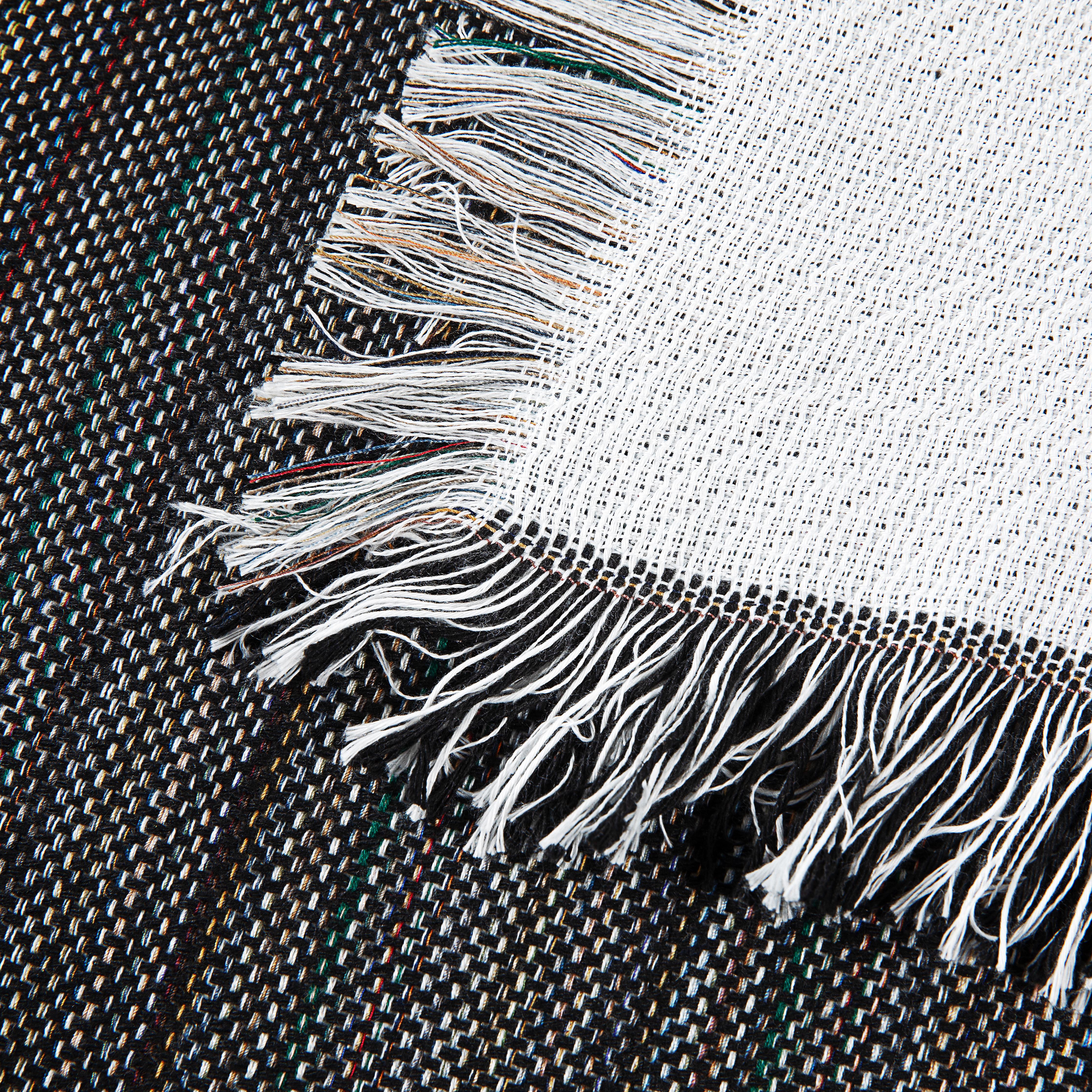
Your Guide to the Swing Away Heat Press for Perfect Prints
When you’re serious about creating top-tier custom textiles, your heat press is the heart of your operation. A swing-away heat press is exactly what it sounds like: the top platen—the hot part—swings completely out of the way, giving you full access to the work area below. This simple design difference is what makes it the go-to choice for professionals who need precision and can't afford mistakes. For any small business building a reputation on premium products, it’s an investment that pays for itself in quality and peace of mind.
Why a Swing Away Heat Press Is Your Best Investment

Let's be honest, choosing the right equipment feels like a huge decision. While there are plenty of presses out there, the swing-away heat press has become the workhorse for print shop owners and makers who are obsessed with quality, safety, and versatility—especially when working with premium, thoughtfully chosen blanks.
Unlike a clamshell press where the hot platen is always hovering right above your workspace, a swing-away design moves the heat source completely to the side. This creates a wide-open, heat-free area to work in. From a practical standpoint, this is a game-changer.
- You're Safer. The risk of accidentally brushing your hands or arms against a hot surface drops dramatically. When you're focused during a long production run, that's a huge relief.
- Layout is a Breeze. You get a perfect, top-down view to lay out your transfers and garments. This is absolutely critical for getting precise alignment on thicker or more complex items, like our woven tapestry blankets, without worrying about bumping into a 400°F platen.
Achieving That Professional Finish on Any Textile
The real secret to those crisp, vibrant, edge-to-edge prints everyone wants? Perfectly even pressure. A swing-away press applies force straight down, vertically, distributing pressure equally across the entire surface. This is non-negotiable if you want to eliminate faded spots or blotchy colors in your final product.
This matters even more when you’re working with a range of different textiles. A clamshell’s hinged, angled pressure can sometimes cause issues with thicker items, but a swing-away handles it all with ease. It doesn't care if you're pressing a thin golf towel or one of our thick, plush Sherpa blankets—the pressure stays true.
For anyone who competes on quality, the swing-away press delivers the consistency needed to turn premium blanks into premium finished products. It’s a tool built for professionals who sweat the details.
The Growing Choice for Serious Makers
The market clearly shows a preference for this level of quality. As the demand for customized apparel and personalized gifts explodes, more creative entrepreneurs are turning to equipment that delivers flawless results for their customers. For serious sellers, swing-away models are simply the smarter choice for minimizing wasted blanks and achieving maximum vibrancy.
Ultimately, investing in a swing-away heat press is about setting your business up for long-term success. It's a machine that grows with you, keeps you safe, and helps you deliver the kind of professional-grade products that build a great reputation. Just make sure you account for the extra space it needs to swing open, and if you're not sure where to put it, check out our guide on choosing the best heat press stands.
Choosing the Right Press and Platen for Your Products
Picking a new swing-away heat press can feel like a big decision, but the best way to approach it is to think about the products you’re most excited to create. For most small print shops and Etsy sellers, the 16"x20" press is an absolute game-changer. It’s a true workhorse.
This size gives you the flexibility to press the majority of popular items without taking up your entire workspace. It's perfect for our vibrant beach towels, cozy fleece throws, and even the versatile picnic blankets. You’ll have plenty of room for most designs.
But what if your ambitions are bigger? If you’re dreaming of creating huge, all-over prints, trying to piece them together on a smaller press is a path to pure frustration. You’ll spend ages trying to line things up perfectly, and it just opens the door to printing errors and wasted inventory.
Matching Press Size to Your Ambition
For those really big projects, like our gorgeous, heirloom-quality Woven Tapestry Blankets, you have to think bigger. Investing in a large format press—something in the 20"x25" range or even larger—is a non-negotiable for professional results. This lets you sublimate the entire blanket in one go.
Why is a single press so important? A few reasons we've learned firsthand:
- It completely eliminates "ghosting." That blurry shadow you get when a blanket shifts even a millimeter during a second press? Gone.
- You won't get ugly press lines. Overlapping heated areas can leave a faint but permanent mark right in the middle of your art. A single press avoids this.
- It saves a massive amount of time and stress. Your whole workflow becomes smoother and far more efficient.
Think of it like this: buying a press that’s too small for your signature products is like trying to paint a mural with a tiny brush. You might eventually get it done, but the result will be patchy and the process will be a headache.
The Power of Interchangeable Platens
Now, here’s a pro tip that seriously expands what you can offer: get a press with interchangeable platens. Many quality swing-away models let you swap out the bottom platen for smaller sizes, and it’s the secret to incredible versatility.
Having a small platen, like a 6"x10" or even a little 4"x4", lets you isolate the print area on smaller or uniquely shaped items. For instance, you can press a crisp logo onto one of our golf towels without heating the grommet, or add a design to a sleeve without leaving a giant heat-press box on the rest of the shirt. It’s a total game-changer for boutique merchandise creators.
Manual vs. Pneumatic: What's Right for You?
Finally, you need to be realistic about your production volume. A manual press, where you physically clamp it shut and open it, works great for most small businesses and anyone just starting. But if you find yourself pressing dozens of items a day, that manual effort really adds up and can lead to serious fatigue.
This is where an automatic or pneumatic press, which uses air pressure to do the heavy lifting, becomes a smart investment. It dramatically reduces physical strain and delivers perfectly consistent pressure with every single press. It costs more upfront, but for a growing business, it quickly pays for itself in sheer efficiency. If you're putting together your whole setup, you might also find our guide to the best dye sublimation kits a helpful resource.
Calibrating Your Press for Flawless Textile Printing
Think of your heat press calibration as the foundation of your entire printing process. It's the step that separates a decent print from a professional-grade one, turning a beautiful Spark Blank textile into a premium, finished product. This goes far beyond just unboxing the machine and plugging it in; it’s about dialing it in perfectly for the high-quality textiles you're working with.
First things first: where you put your press matters. It needs a completely stable, level, and sturdy workbench that won’t wobble when you apply pressure. An uneven surface is a fast-track to uneven pressure, which is the main culprit behind patchy, faded prints. Once it's set up, we always recommend "seasoning" the platen before your first real press. Just heat it up and press a clean, blank sheet of paper a couple of times to burn off any oils or residues left over from the factory.
Nailing the Perfect Pressure
Getting the pressure right is everything, especially with a swing-away press. In our experience, uneven pressure is the number one reason sublimation transfers fail. The good news is there's a simple, foolproof way to check it: the "dollar bill test." Some people use strips of paper, but we find dollar bills work great.
Here’s how you do it:
- With the press cold, place a bill in each of the four corners of the lower platen, letting them hang over the edge slightly.
- Swing the top platen over, close the press, and lock it down to what you think is your desired pressure.
- Now, try to pull each bill out.
You should feel the exact same amount of resistance on all four corners. If one bill slides out with no effort, your pressure is lopsided and you need to adjust your machine until the tension is identical on all sides. This test is non-negotiable for large items like our plush picnic blankets, where you need edge-to-edge consistency.
This flowchart can help you visualize how to choose the right press setup based on the types of products you plan to make.

As you can see, your product focus—whether it’s standard sizes, oversized items, or a wide variety—really dictates the ideal press and platen combination for the best results and efficiency.
Essential Tools for Textile Printing
Beyond pressure, a few key accessories will make a world of difference in your final product. You absolutely need a protective sheet between your transfer paper and the hot upper platen. While a reusable Teflon sheet is a common choice, many pros (including us) have shifted to using single-use parchment paper. It doesn’t hold onto moisture or ink residue from previous jobs, which guarantees a perfectly clean, crisp transfer every single time. For a deeper dive, you can learn more about choosing the right heat transfer printer paper in our dedicated guide.
For thicker, plusher textiles with seams and texture, a pressing pillow is your best friend. Sliding one inside a Sherpa throw or near a blanket's hem allows the press to make perfect contact with the printing area by raising it above any obstructions.
This little trick stops the seams from absorbing all the pressure, ensuring your design gets the direct, even contact it needs for rich, vibrant color. It’s a small tool that solves one of the biggest challenges you'll face when sublimating on premium, textured blankets.
A Repeatable Workflow for Consistent Quality
 Getting that perfect, vibrant print isn't about luck. It's about building a rock-solid process you can follow every single time. Once you have your swing-away heat press dialed in, you can develop a workflow that guarantees professional-grade results, order after order. And it all starts with the single most important (and most often skipped) step.
We're talking about pre-pressing. Seriously, don't skip this. It’s a quick, 3-5 second press of the blank before you even think about adding your transfer. This simple move zaps any hidden moisture and flattens out wrinkles that will absolutely ruin an otherwise perfect sublimation print.
Trust us, moisture is your enemy. On plush fabrics like our Sherpa or fleece throws, it can flash to steam under the heat, causing your colors to blow out and look blotchy. Wrinkles are just as bad, creating tiny, unprinted lines that are impossible to fix.
Mastering Alignment and Registration
Once your blank is smooth and dry, it's time to focus on getting your placement just right. This is where a swing-away heat press truly shines, giving you a clear, open workspace that makes alignment both easier and much safer.
There’s a good reason these presses are a favorite for serious professionals. The ability to have an unobstructed view for precise work is crucial, especially in the apparel and textiles sector, a dominant force in the heat press market. If you're interested in market trends, you can dive deeper with these insights from Verified Market Research.
For a one-off item, you can usually just eyeball it, measure from the edges, and secure your transfer with high-temperature tape. But what about when you have a big order to get through?
For consistent placement across a batch of items, like adding a logo to our golf towels, creating a simple jig is a game-changer. Use a piece of cardboard or a spare platen cover and cut out a window exactly where your towel and transfer should go. This ensures every single item is placed identically without measuring each time.
Pro Tips for Flawless Results
A good workflow is also about knowing how to sidestep those common headaches. Here are a few tricks we’ve picked up after countless hours pressing our own Spark Blank Textiles products:
-
Avoiding the "Press Box": We’ve all seen it—that faint rectangle the heat platen leaves on certain polyester fabrics. The best way to prevent this is to use a pressing pillow or foam insert that’s slightly smaller than your transfer paper. This raises the print area just enough so only the design gets full pressure, leaving the surrounding fabric untouched.
-
Managing Large Tapestries: When you're working with oversized items like our Woven Tapestry Blankets, you might need to press in sections if your machine is smaller than the blank. The key here is careful registration. Use plenty of heat-resistant tape and align your next press by overlapping the transfer paper by about half an inch—not the printed design itself. This little trick helps prevent a dark seam where the two pressings meet.
-
Tape Placement Matters: Here’s a lesson you only want to learn once: never put heat tape over your printed design. The tape can actually block the sublimation gas from transferring, leaving a light or completely unprinted spot in the exact shape of the tape. Always make sure you're taping down the unprinted margins of your paper.
By developing and sticking to a consistent process—from pre-pressing to that final peel—you take all the guesswork out of the equation. It frees you up to focus on the creative side, knowing your swing-away heat press and your workflow are set up for success every single time.
Troubleshooting Common Printing Issues
Sooner or later, every single one of us runs into a print that just doesn't look right. It happens. Instead of getting frustrated, look at that botched print as a clue. It’s telling you exactly which of your three key variables—time, temperature, or pressure—is off.
One of the first problems most people encounter is "ghosting." This is when you see a faint, blurry shadow around your crisp design lines. Nine times out of ten, this means your transfer paper slipped, even just a millimeter, when you opened or closed the press. It’s especially common with plush fabrics like our blankets. The easy fix? Use a light tack adhesive spray or a few extra pieces of high-temperature tape to make sure that paper isn't going anywhere.
Diagnosing Faded or Patchy Colors
What if your colors look washed out or inconsistent across the product? When a print comes out faded, your swing away heat press is giving you clear feedback. It almost always comes down to one of these three things.
- Uneven Pressure: Remember the dollar bill test? If you can easily pull the bill out from a corner, you've found your culprit. Low-pressure spots won't get a good ink transfer, which is why you might see faded corners on big items like our picnic blankets.
- Incorrect Temperature: If your heat platen isn't hot enough, the sublimation ink simply won't convert to a gas and bond with the fabric. Always start by checking your settings against our recommended guides for the specific textile you're working with.
- Moisture: This is exactly why pre-pressing is so crucial. Any moisture hiding in the fabric instantly turns to steam, blocking the ink and leaving you with a blotchy, uneven print.
Pro Tip: We can't recommend this enough—keep a simple "press log" next to your machine. When you get that perfect print on a Sherpa Throw, write down the exact time, temp, and pressure you used. This little notebook turns future troubleshooting from a guessing game into a quick reference check.
Preventing Scorching and Press Box Marks
Scorching—that slight browning or yellowing of the fabric—is a real risk on more delicate materials. If you see it, your platen is too hot or you're pressing for too long. Back the temperature off by 5-10 degrees or cut the time by a few seconds. Using a fresh sheet of parchment paper for every single press also acts as a protective buffer.
The other common annoyance is the "press box," that faint outline the heat platen leaves behind on the fabric. The absolute best way to get rid of this is to use a foam pressing pillow. Just slip a pillow that’s a little larger than your design inside the item or under the print area. This raises the surface, ensuring only the design itself gets direct pressure. It's a simple tool that makes a world of difference in achieving a truly professional, retail-ready finish.
Common Questions About Swing Away Heat Presses
When you're working to get that perfect print, especially with high-quality textiles, the right equipment makes all the difference. We've heard a lot of the same questions over the years from other small business owners, so let's walk through some of the most common ones.
Why Is a Swing Away Press the Best Choice for Blankets?
If you’re pressing anything thick or plush, like our Sherpa or Woven Tapestry Blankets, a swing away press is a game-changer for two big reasons: even pressure and a clear workspace.
Think about it—a swing away press comes straight down, applying pressure vertically. This guarantees you get consistent, even contact across the entire piece. For those plushier items, this is non-negotiable.
The design also moves that scorching hot platen completely out of your way. This gives you a wide-open, safe area to lay out a big blanket and line up your transfer perfectly. You aren’t trying to dodge a 400°F heating element hovering just inches from your hands, which is often the case with a clamshell press. That extra room is not just a convenience; it's a huge safety advantage.
Can I Use This Press for More Than Just Sublimation?
Absolutely. While a swing away is the gold standard for sublimation, its real strength is its versatility. Because you get such consistent pressure and accurate temperature, it’s the perfect machine for a whole range of applications.
You can confidently use it for just about any heat application out there:
- Heat Transfer Vinyl (HTV)
- Screen printed transfers (plastisol)
- Direct to Film (DTF) transfers
- Rhinestones, flock, and other specialty materials
A quality swing away is a true workhorse. It lets you pivot between different decoration methods without needing a separate press for every job.
A great swing away press isn’t just for one type of job; it’s an investment in your shop’s overall capability. It allows you to say "yes" to more projects and explore new creative avenues with confidence.
How Do I Figure Out the Right Pressure for Different Textiles?
This is where the art meets the science of heat pressing. There's no single "correct" pressure; it all depends on the fabric's thickness and texture.
Here are the starting points we use for our own products:
- Thin Textiles: For something like a Golf Towel or a basic polyester tee, you'll want light-to-medium pressure. Going too heavy can crush the fabric's natural hand-feel.
- Plush Items: Our Fleece and Sherpa Blankets need firm pressure. You have to apply enough force to push through all that fluff and get the transfer to make solid contact with the substrate itself.
- Textured Weaves: When working with Woven Tapestries, a good medium-firm pressure is the sweet spot. It's strong enough to get a vibrant transfer without flattening that beautiful woven texture.
One of our favorite pro-tips is to look at your transfer paper after you press. If you can see a faint impression of the fabric's weave or texture on the paper, you’ve probably nailed the pressure. If you can, always do a quick test on a scrap piece or a hidden corner first.
Ready to turn your creative ideas into stunning, high-quality products? The journey from blank to brilliant starts with the right materials. As textile specialists, we’ve built our business for makers and small businesses by curating a selection of premium, print-ready textiles we've tested and recommend ourselves. Explore our collection at Spark Blank Textiles and feel the difference quality makes. Shop our full collection today.