Wholesale Custom Blankets: Your 2026 Guide to Sourcing & Profit
If you’re a creator, Etsy seller, or print shop owner, you’re always on the lookout for that next big product—something with high demand and even better margins. Let me point you toward an absolute game-changer: wholesale custom blankets.
We’ve seen it time and time again. A simple, cozy blanket is transformed into a powerful revenue stream. As textile specialists who work with makers and small businesses every day, we've put together this guide to walk you through the entire process, from sourcing to selling.
Why Custom Blankets Are a Massive Opportunity
For any creative business, the holy grail is a product that customers see as high-value but that you can produce with a healthy profit margin. Custom blankets nail this. They aren’t just something to keep you warm; they are blank canvases for memories, art, and branding. This makes them perfect for personalized gifts, corporate swag, and unique home decor that people simply can't find in a big-box store.
The desire for personalized home goods is absolutely surging. Customers want products that tell their story or celebrate a milestone, and a custom blanket is often the first thing they search for. This has opened up a huge lane for print shops, promotional product businesses, and Etsy sellers to build a loyal customer base.
The Numbers Don't Lie
This isn't just a hunch; the market data backs it up. The global blanket market is on an incredible growth path, projected to jump from USD 24.97 billion in 2025 to a staggering USD 45.86 billion by 2034.
Here in the U.S., the market was valued at an impressive USD 6,532.79 million in 2026. For a creator like you, that's not just a number on a chart—it’s a clear sign of a booming market that’s ready for your unique designs.
As the textile specialists behind Spark Blank Textiles, we see this demand firsthand. We built our entire business to support makers, curating a selection of premium, print-ready blankets because we firmly believe in quality over just being the cheapest option on the market.
This guide is designed to give you the confidence to add these premium blankets to your lineup. Once you're ready, you can dive deeper into turning these blanks into beautiful finished products with our guide on printable throw blankets.
What We'll Cover
Think of us as your experienced friend in the industry. We're here to cut through the jargon and give you the practical advice you need to get started and succeed.
We'll walk you through everything, from the nitty-gritty technical details to the day-to-day business decisions.
- Decoding Fabric Specs: We’ll break down what terms like GSM, fleece, and sherpa actually mean for the final look and feel of your product.
- Choosing the Right Customization: You’ll learn the pros and cons of different methods—like sublimation, embroidery, and jacquard—and which ones work best for certain materials.
- Pricing for Profit: Get real-world advice on calculating your costs and setting prices that not only cover your expenses but help you grow your business.
Our goal is simple: to help small businesses thrive. By the time you finish this guide, you’ll have the know-how to source, create, and sell wholesale custom blankets that your customers will absolutely love.
Choosing the Right Blanket for Your Brand
Picking the right blank for your wholesale custom blankets is where it all begins. Get this part right, and everything else falls into place. This single choice dictates the final print quality, how much your customers will value the product, and ultimately, whether they’ll come back for more.
We’ve seen firsthand what happens when a brand chooses the wrong material—faded designs after a few washes, unhappy clients, and a lot of wasted potential. As textile specialists, our job is to get you thinking like a product developer. It’s about moving beyond just picking a color and really understanding the language of fabrics.
Getting a Handle on GSM (Grams per Square Meter)
You’ll see the term GSM everywhere. It stands for Grams per Square Meter, which is just a straightforward way to measure a fabric’s weight and density. It’s tempting to think higher is always better, but that's not the case. The best GSM is all about what you're trying to create and who you're selling to.
-
Lighter Weight (280-320 GSM): Think of blankets in this range as your workhorses for vibrant, visual products. Our 300 GSM Fleece Sublimation Throws are perfect for promotional giveaways or when you need a photo to pop with incredible detail. They’re lightweight, easy to ship, and give you a smooth, canvas-like surface for stunningly sharp prints.
-
Heavier Weight (400+ GSM): Once you hit 430+ GSM, you’re in premium territory. This is where you create that "wow" factor. A perfect example is our 430 GSM Sherpa Sublimation Throw. That extra weight and plushness feel immediately luxurious, justifying a higher price tag. This is your go-to for high-end personalized gifts, boutique home decor, and brands that sell on coziness.
Thinking about where the real opportunity is? It’s in matching the right product quality to a specific market demand. When you give savvy customers exactly what they're looking for, you find your sweet spot.

The takeaway is simple: by understanding the nuances of your product, you can tap into a market that's ready to buy.
Material Matters: Choosing Your Canvas
Beyond weight, the fabric itself is what truly defines the blanket. The material sets the rules for what customization methods you can use and, most importantly, how the final product feels in your customer’s hands. For a small business, it’s smart to master a few proven materials rather than trying to offer everything.
Our Pro Tip: Always, always match your material to your design method. For those vivid, edge-to-edge sublimation prints, nothing touches 100% polyester. But if you're going for a classic embroidered logo, you need a denser fabric that won’t pucker and will hold those stitches tightly.
Understanding this from the start saves a lot of headaches. A customer wanting a photorealistic portrait of their dog has completely different needs than a corporation ordering branded gifts. If you really want to get into the weeds, we break down why certain fabrics perform so well in our guide to the best sublimation blanket blanks.
Blanket Fabric Comparison for Customization
To make things easier, we've put together a quick-glance table comparing the most common materials you'll run into. This should help you connect the fabric type to the kind of product you want to create.
| Fabric Type | Feel & Texture | Best For | Ideal Use Case |
|---|---|---|---|
| 100% Polyester Fleece | Soft, smooth, and lightweight with a short pile. | Sublimation Printing | Photo gifts, promotional items, and products requiring vibrant, full-color graphics. |
| Sherpa (Polyester) | Dual-sided with a smooth fleece face and a plush, woolly sherpa back. | Sublimation & Embroidery | Luxury gifts, cozy home decor, and high-margin personalized products. |
| Woven Tapestry (Cotton/Poly Blend) | Textured, durable, and heavyweight with a woven-in design. | Jacquard Weaving | Heirloom-quality art pieces, premium artist merchandise, and high-end branded blankets. |
| Mink Touch (Polyester) | Ultra-soft, velvety, and silky with a luxurious sheen. | Sublimation & Embroidery | Premium baby blankets, spa-quality throws, and upscale corporate gifting. |
Ultimately, choosing the right blanket is about balancing your creative vision with what your customers truly want and what makes sense for your business. By starting with a quality textile that’s proven to work for your specific application, you’re building your brand on a foundation of quality from day one.
Getting Your Design on the Blanket

You’ve picked out the perfect blanket. Now for the fun part: making it your own. How you get your design onto the fabric is just as important as the blanket itself. It’s the difference between a product that looks professional and one that just falls flat.
We've worked with countless creators and businesses, and we’ve seen what works and what doesn't. The key is matching your design idea with the right technical process. Let’s walk through the three most common ways to customize wholesale custom blankets so you can get it right from the start.
Sublimation for Vibrant, Full-Color Graphics
If your design is a photograph, a complex illustration, or a pattern that needs to cover the entire blanket, sublimation is your best bet. It’s a printing process where heat turns solid dye into a gas, which then permanently fuses with the fabric's fibers. The result is a stunningly detailed image you can’t even feel—it’s literally part of the material.
There's one golden rule here: sublimation only works on 100% polyester. The dye needs polyester to bond with. If you try to sublimate on a cotton blend, you'll get a faded, vintage-looking print that often looks like a mistake. That’s precisely why our fleece and sherpa blankets are made with a polyester face—they’re the perfect canvas for those rich, edge-to-edge designs.
Key Takeaway: For sublimation, the blank is as important as the design. A high-quality, 100% polyester blanket ensures your ink transfers completely, resulting in deep, rich colors that won't crack, peel, or fade over time. It’s the secret to creating truly premium photo blankets and custom art pieces.
Embroidery for a Classic, Textured Finish
Embroidery adds a touch of class and texture that printing just can’t replicate. It immediately gives a product a high-end, durable feel. This is the go-to method for corporate logos, monograms, or simple text designs. Think boutique hotel branding or premium corporate gifts.
The trick to great embroidery is using a blanket with a dense, stable fabric. We’ve seen beautiful logos ruined by a flimsy blanket that puckers and pulls under the tension of the stitches. Heavier materials, like our plush sherpa or mink touch blankets, provide the solid foundation needed for clean, crisp stitch work that holds up wash after wash.
Jacquard for Woven-In Art
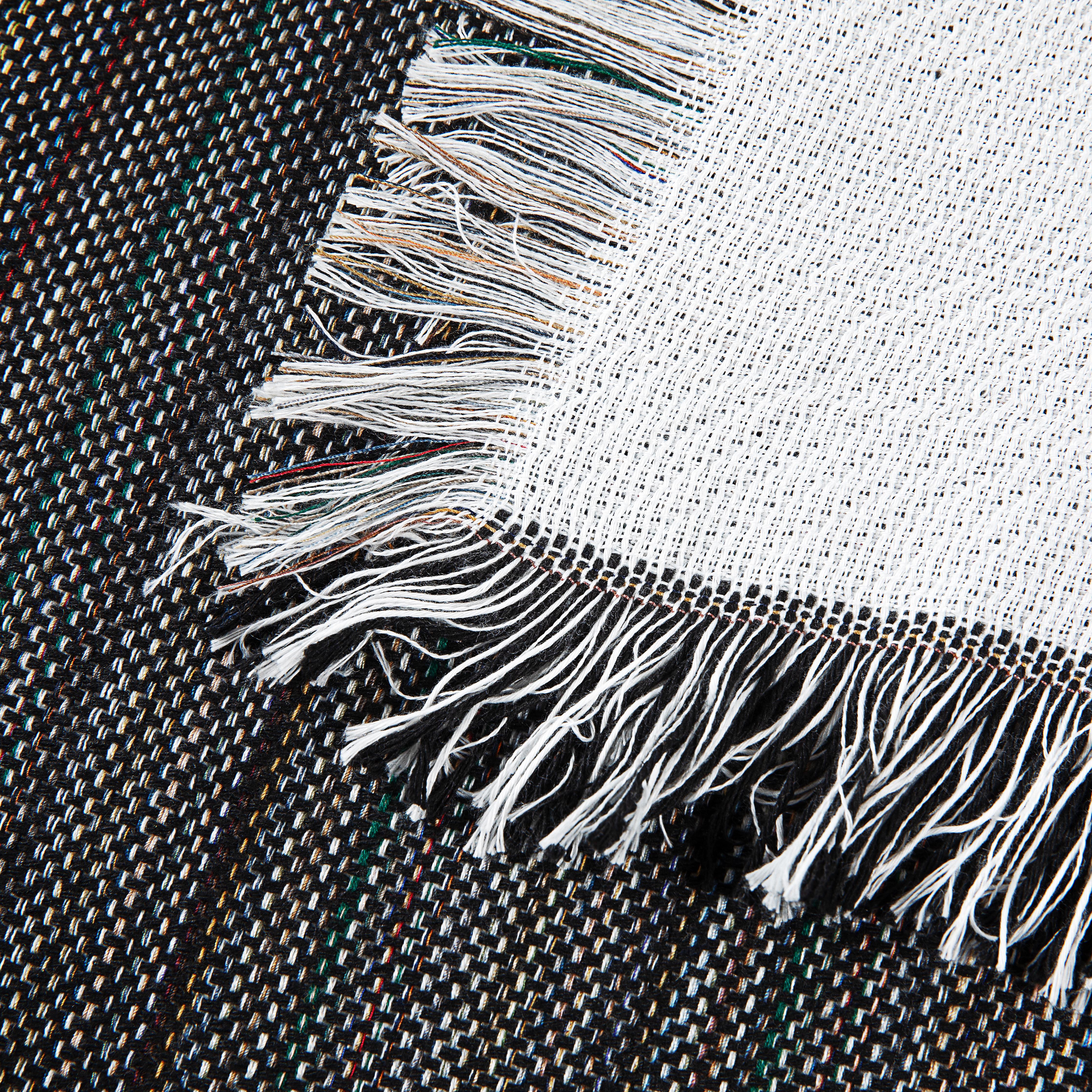
When you’re aiming for a true heirloom-quality product, jacquard is the ultimate choice. Unlike other methods that add a design to the surface of a blanket, jacquard weaves your design directly into the fabric itself. It's the same technique used to create intricate tapestries and high-end upholstery.
This method produces an incredibly detailed and durable design that has a unique, textured feel. It's the pinnacle of premium customization, perfect for artists and brands creating a top-tier product. While jacquard involves a more complex manufacturing process and higher MOQs, the final product is an undeniable statement piece. We can help you navigate this process, turning your vision into woven art.
Choosing the right method is all about aligning your vision, your design, and your budget. If you're weighing your options for surface decoration, understanding the nuances between sublimation and heat transfer vinyl can offer even more clarity. Each technique has its place, and knowing their strengths is key to creating a product you'll be proud of.
Pricing Your Blankets for Profitability
So, you've picked the perfect blanket and figured out your customization. This is where the business side of your creativity really kicks in: getting paid. Pricing your wholesale custom blankets correctly is what separates a fun hobby from a sustainable business that lets you keep creating.
Let's be real, turning a profit is the whole point. We're going to break down all the hidden costs so you can set your prices with total confidence and see your hard work pay off.
What's the Deal with MOQs?
If you've ever tried sourcing products, you've run into the term Minimum Order Quantity (MOQ). It’s simply the fewest number of units a factory will sell you at once. For massive manufacturers, that number can easily be in the hundreds or thousands, which is a total non-starter for most Etsy sellers and small print shops.
This is exactly why finding a supplier who gets the small business grind is so crucial. A partner like Spark Blank Textiles understands that you need flexibility. Our entire model is built to give you access to fantastic, wholesale-priced blankets without demanding you sink all your cash into a mountain of inventory. You can start small, test out a few new designs, and scale when you’re ready.
Our Pro Tip: Think of accessible MOQs as your secret weapon. They let you experiment with different blanket types—like fleece versus sherpa—to see what resonates with your specific audience before you commit to a huge order.
This approach dramatically lowers your risk and lets you jump on market trends quickly. It’s just a smarter way to build your brand.
Calculating Your True Cost of Goods
To land on a profitable price, you have to know exactly what it costs you to get one finished blanket out the door. This is your Cost of Goods Sold (COGS), and trust me, it’s more than just what you paid for the blank.
Let’s run through a real-world example. Say you buy a premium sherpa sublimation throw from us for $15.00.
Here's what your actual cost breakdown could look like:
- Wholesale Blanket: $15.00
- Sublimation Ink & Paper: $2.50
- Labor (Your Time!): $5.00 (e.g., 20 minutes at a $15/hr rate)
- Shipping Supplies (Box, Tape, Label): $1.00
- Marketplace Fees (e.g., 10%): This comes out of your final sale price, not your COGS, but you absolutely have to account for it.
Your upfront cost, before shipping it to the customer, is $23.50. And please, don't forget to pay yourself for your labor. Your time and skill are valuable parts of the equation.
From Cost to Retail Price: A Winning Formula
Okay, your COGS is $23.50. Now what? A common rule of thumb is the "keystone" method—just doubling your cost. That would land you at $47.00. But for custom and personalized goods, you can—and should—aim for a higher margin.
Think about pricing in tiers:
- Base Price: $55.00 (This covers your COGS, those pesky marketplace fees, and leaves you with a healthy profit).
- Personalization Upcharge: Add $5-$10 for simple things like adding a name or a date.
- Complex Design Fee: If a customer sends you a blurry photo that needs a lot of Photoshop magic, you need to charge for that graphic design time.
Let's say you price the finished, personalized blanket at $59.99. After a 10% marketplace fee ($6.00) and your COGS ($23.50), your net profit on that one blanket is $30.49. That’s a fantastic margin that reflects the premium, custom nature of what you're selling.
And the demand is definitely there. Throw blankets are the biggest slice of the pie in a market that's projected to hit a staggering USD 6.77 billion by 2035. This shows that even for a small creator, buying quality blanks from a competitive wholesaler can lead to high-margin products for an audience that's ready to buy. You can dive deeper into these trends and read the full research about the throw blanket market.
When you truly understand every number, you start operating like a real business owner. This approach to pricing ensures your creative passion is also a financially rewarding venture.
Getting Your Blankets from Your Workshop to Their Home

You've nailed the design and figured out your pricing. Now comes the part that often separates the hobbyists from the pros: getting those beautiful wholesale custom blankets into your customers' hands. This final stage, from placing your bulk order to the moment a customer opens their package, is where you build a brand people truly remember.
Let's be honest, logistics isn't the most exciting part of being a creator. But getting this piece right is everything. A smooth fulfillment process leads to happy customers, glowing reviews, and people coming back for more. For small businesses, especially those without a massive warehouse, a smart supply chain is your secret weapon.
Juggling Inventory and Turnaround Times
One of the biggest headaches for any Etsy seller or print shop owner is managing inventory. Order too little, and you miss out on sales. Order too much, and your cash is tied up in boxes. This is exactly why your choice of supplier matters so much.
At Spark Blank Textiles, we’ve built our business around helping you stay nimble. With our fast US shipping, you can get more of your best-selling blankets in just 2-3 days, not weeks. That means you can finally capitalize on that viral TikTok or a sudden holiday rush without having to guess your needs a month in advance.
Think of your supplier as a true partner in your inventory strategy. A responsive partner with quick fulfillment lets you operate with less risk and more confidence, turning your workspace into a production studio, not a storage unit.
This kind of agility is how you compete. It empowers you to test new designs and quickly scale up the winners, all without the financial strain of long lead times from overseas manufacturers.
The Magic of Presentation and Branding
The moment a customer opens their package is your final, and arguably most important, chance to make an impression. You’ve poured so much effort into creating a stunning custom blanket; don't let the experience fall flat with a boring poly mailer. A little bit of thoughtful branding can turn a simple delivery into a memorable unboxing event.
The best part? This doesn't have to break the bank. Small, personal touches add a surprising amount of perceived value.
- Custom Belly Bands: A simple paper band printed with your logo and wrapped around the folded blanket looks incredibly professional and keeps the product tidy.
- Branded Thank-You Notes: A small, well-designed card that says "thank you" makes the entire transaction feel more personal and less transactional.
- Care Instruction Cards: Including a small card with washing instructions is not only helpful but also reinforces your authority as a quality brand.
These details show you’re a professional who cares about the entire experience, from the first stitch to the final delivery. In a crowded digital world, this is how you stand out. The blanket market is booming, expected to hit USD 10.88 billion by 2030, with e-commerce in North America being a major driver. You can dig into more stats about the growing global blanket market on thebusinessresearchcompany.com. An exceptional unboxing experience is what helps online sellers capture and keep those customers.
By mastering your fulfillment and investing in thoughtful branding, you're not just selling a product. You're building a brand that people talk about, recommend, and return to again and again.
Common Questions (and Expert Answers) on Wholesale Blankets
As you get ready to dive into the world of custom blankets, a few questions always seem to pop up. We’ve heard them from countless makers and print shop owners over the years. Let’s clear up some of the most common hurdles right now, so you can move forward with confidence and avoid any rookie mistakes.
Getting Your Artwork Print-Ready: What’s the Right File Format?
Nothing is more frustrating than a blurry print. Getting your file format right from the start is non-negotiable, and the best format depends entirely on how you're customizing the blanket.
-
For Sublimation: You're dealing with pixel-based images here, so a high-resolution raster file is a must. We see the best results with PNG files (especially with a transparent background for designs that aren't full-bleed) or high-quality JPEG and TIFF files for photorealistic prints. The golden rule? Your file must be 300 DPI (dots per inch) at the final print size. Anything less, and you risk a fuzzy, pixelated mess.
-
For Embroidery: This is a different ballgame. Your embroidery partner needs a special digitized file that tells their machine where to place every single stitch. These have extensions like .DST, .PES, or .EMB. You won't create this file yourself. Instead, you'll send a clean vector file, like an Adobe Illustrator (AI) or .EPS file, to the embroiderer. They will then "digitize" it for you, which usually involves a small one-time fee.
Trust me, sorting this out on the front end saves an incredible amount of back-and-forth and ensures your final wholesale custom blankets look sharp and professional.
"How Do I Wash This?" The Care Instructions You Need to Provide
Answering the washing question before it's even asked is a pro move. It protects the integrity of your product and shows customers you care about their purchase long after the sale.
For most of our sublimated polyester blankets, like fleece or sherpa, the care is thankfully simple. Here's what you should tell your customers:
- Machine wash cold on a gentle cycle.
- Stick to a mild detergent. Never use bleach or fabric softeners, as they can ruin the soft feel and fade the print.
- Tumble dry on the lowest heat setting possible. If you really want to preserve it, hanging it to dry is even better. High heat is the number one enemy of polyester and vibrant prints.
For embroidered blankets, we always suggest washing them inside out to protect the thread work. For woven jacquard, a cold wash and hang dry is the only way to go. A small branded care card tucked into the packaging is a fantastic touch that elevates the entire customer experience.
By setting the right care expectations from day one, you practically eliminate complaints about damage from improper washing. It’s a simple step that reinforces the premium quality of your work.
Managing Customer Expectations for Custom Work
When you're dealing with custom orders, clear communication isn't just good service—it's your best defense against costly reprints and unhappy clients.
The biggest hurdle is often color. What a customer sees on their backlit phone or computer screen will never be a 100% perfect match to ink on fabric. It's just the nature of technology. Get ahead of this by including a small disclaimer in your product description, something like, "Please note that screen colors may appear slightly different from the printed fabric."
Also, always, always, always send a digital mockup for approval before you produce anything, especially for personalized orders with names or dates. This proof is your contract. Get a written "Approved" or "OK to print" back from the customer. This simple habit creates shared responsibility and has saved countless headaches and hundreds of dollars in reprints.
What's the Real Difference Between Printing Methods?
Your customer won't know the difference between sublimation and embroidery, but they will know what they want their final product to look and feel like. Your job is to be the expert who can guide them.
Here's a simple way to explain it:
-
Sublimation is like a tattoo for fabric. The ink fuses directly into the polyester fibers, so the design has zero feel. It's unbeatable for photorealistic images and bold, all-over patterns.
-
Embroidery uses thread to stitch a design onto the blanket. It creates a raised, textured effect that people associate with premium quality. It’s the go-to for logos, monograms, and simpler text-based designs.
-
Jacquard Weaving is the most intricate method. Here, the design is literally woven into the blanket's structure as it's being made on the loom. This creates a reversible, textured piece of art.
A good way to remember it is: sublimation is for images, embroidery is for logos, and jacquard is for artistry. When you understand their core strengths, you can confidently steer your clients toward the perfect blanket for their vision.
Ready to turn your creative spark into a brilliant product? At Spark Blank Textiles, we’ve curated a collection of premium, print-ready textiles chosen for their comfort, quality, and creative potential. Explore our full range of wholesale blankets, towels, and more—and start building your brand today at sparkblanktextiles.com.