Fabric Sublimation Printers: A Guide for Your Creative Business
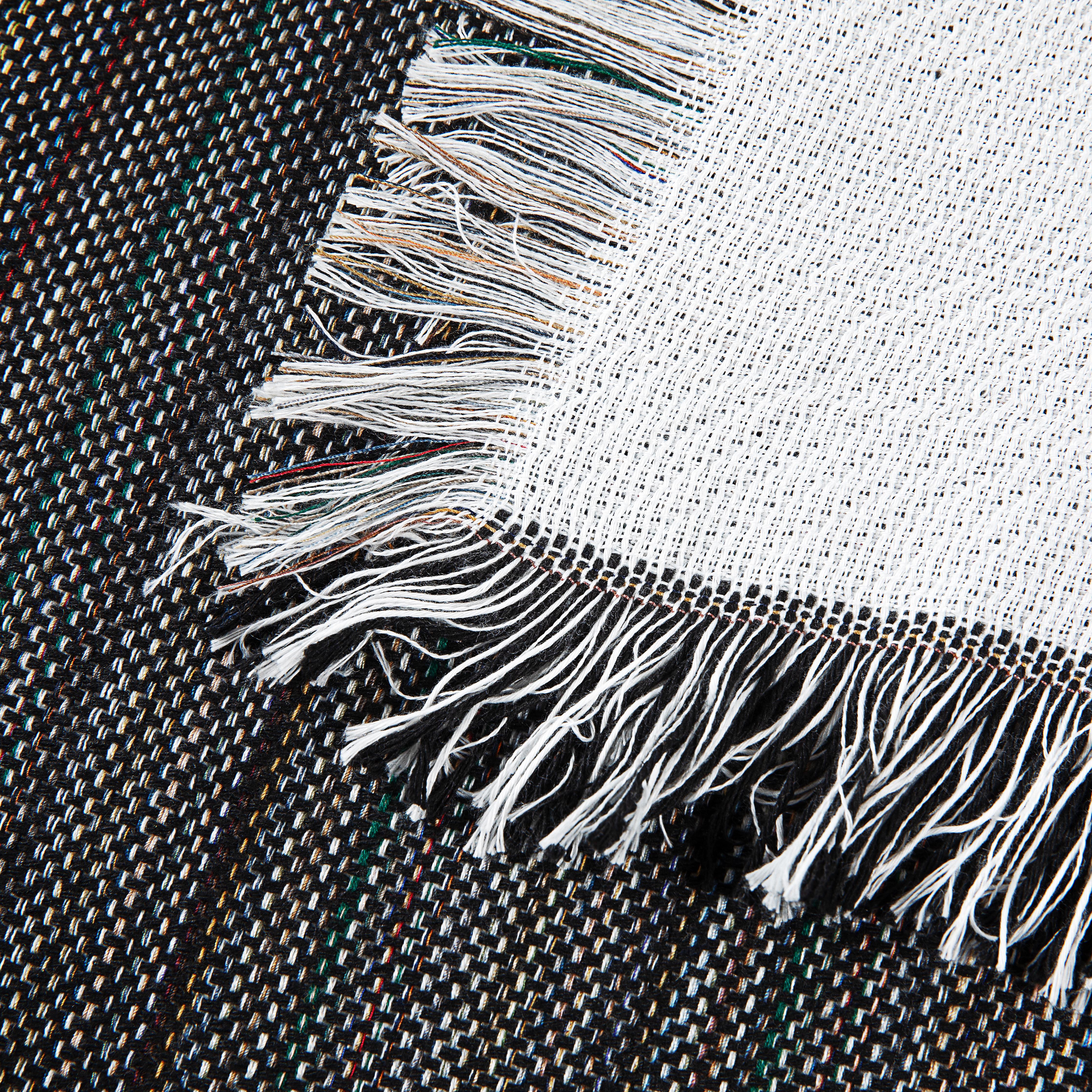
Picture this: you take a simple, high-quality blank blanket and transform it into a vibrant piece of custom art, creating a high-margin product your customers will absolutely love. That transformation is the magic of a fabric sublimation printer—it’s the engine that turns premium blank textiles into sought-after, personalized goods.
Unlocking Your Creative Business with Sublimation
If you’re running a small print shop, an Etsy store, or a custom gift business, you’re always looking for that next product that truly sets you apart. That’s where fabric sublimation printers come in. This isn't just another printing method; it's an opportunity to build a business by infusing art and personality directly into fabrics.
The concept itself is refreshingly simple. Think of it like a high-tech tattoo for fabric.
Sublimation ink starts as a solid. When you apply heat, it turns directly into a gas, skipping the liquid stage entirely. This gas then permanently bonds with the polyester fibers of your fabric, creating a brilliant, full-color design that has absolutely no texture or "hand." It will never crack, peel, or fade.
This is a world away from screen printing or heat transfer vinyl (HTV), which work by sticking a layer of ink or material on top of the fabric. Sublimation becomes part of the textile itself, giving you a premium, durable finish that customers can feel—or, more accurately, can't feel. It's exactly what you want for soft goods like blankets and towels where comfort is everything.
Why Sublimation Is a Game-Changer for Small Businesses
For makers, Etsy sellers, and boutique owners, bringing a fabric sublimation printer into your shop opens up a whole new world. The demand for personalized products is exploding, and sublimation is right at the center of it all.
- Premium Quality: You can produce retail-quality goods with photographic detail and stunning color, which justifies a higher price point.
- Endless Creativity: From custom photo blankets to branded beach towels for a local business, your imagination is the only real limit.
- Durability and Longevity: Because the design is permanently fused with the fabric, you’re giving customers a product that’s built to last.
The numbers don't lie—the demand for custom textiles is on a serious upward trend. The global sublimation printing industry statistics show that the market was valued at USD 2.31 billion in 2022 and is expected to grow at a healthy 11.5% each year through 2030. This boom is fueled by shoppers looking for personalized textiles like custom blankets, throws, and apparel. It’s a huge opportunity for businesses that can pair premium, sublimation-ready blanks—like our curated 430 GSM Sherpa and 300 GSM Fleece throws—with creative designs.
By matching the right printer with a curated selection of top-tier textiles, you’re not just buying equipment; you’re laying the groundwork for a thriving creative business.
How Sublimation Printing on Fabric Works
Ever wondered how those incredibly vibrant, full-color designs get into the fabric, not just printed on top of it? The secret is a process called dye-sublimation, and it’s a bit like magic—if magic were based on sound science.
Think of it this way: when you heat a solid piece of dry ice, it turns directly into a gas. That's what happens with sublimation ink. It starts as a solid on special paper and, with a bit of heat, transforms into a gas that permanently becomes one with the fabric fibers. The result is a stunning, "no-feel" print that will never crack, peel, or fade.
The Science Behind the Print
At its heart, sublimation is a molecular bonding process. It all comes down to a special ink that turns into a gas when heated to around 400°F (204°C). But here's the key: this gas is engineered to bond only with polymer fibers, which is why polyester is the undisputed king of sublimation.
When you bring a heat press into the equation, two things happen almost instantly:
- The solid ink on your transfer paper vaporizes into a gas.
- The pores of the polyester fabric open wide, ready to accept that gas.
The gaseous ink then infuses directly into these open pores. As the fabric cools, the pores snap shut, permanently trapping the ink inside the fibers. The ink is now part of the material itself, not just a stiff layer sitting on the surface. This is why you can’t feel a sublimated design—it’s a true dye process, not just a print.
The Step-by-Step Sublimation Process
For makers and small businesses, the workflow is wonderfully consistent and repeatable. Once you get the hang of it, you can produce high-quality goods efficiently. From your initial creative spark to the finished product in your hands, the steps are clear and straightforward.
This simple visual breaks down the three-stage journey from idea to finished textile.

As you can see, a creative idea flows through a fabric sublimation printer to become a tangible, high-value product like a custom blanket.
Here’s a more detailed look at what’s happening at each stage:
- Print Your Design: First, you’ll print your design in reverse (a mirror image) onto special sublimation transfer paper. This is done using a dedicated fabric sublimation printer loaded with sublimation inks.
- Position and Secure: Carefully place the printed paper onto your blank textile. For projects demanding rich color and a premium feel, you'll get the best results with a high-polyester blank like a silky smooth 300 GSM Fleece Sublimation Throw or a luxuriously plush 430 GSM Sherpa Sublimation Throw. A little heat-resistant tape is your best friend here—it keeps the paper from shifting and causing a blurry "ghosting" effect.
- Apply Heat and Pressure: Now for the final step. Place your textile-and-paper sandwich into a heat press. The precise combination of temperature, time, and pressure activates the sublimation process, permanently transferring your artwork into the fabric.
The result is a vibrant, full-color image that’s completely soft to the touch and incredibly durable. Because the dye is infused into the very fibers, the design stretches right along with the fabric and holds its brilliance through countless washes.
This is exactly why starting with high-quality, high-polyester textiles is non-negotiable. The pure polymer fibers provide the perfect canvas for the ink to bond to, ensuring you get maximum color pop and sharpness every time. Here at Spark Blank Textiles, we specialize in curating these premium blanks because we know they’re the foundation for delivering the best possible results for your creative business.
Choosing the Right Fabric Sublimation Printer

So, you're ready to get a sublimation printer. That's a great step! But walking into this decision blind can be a costly mistake. There isn't a single "best" printer—the right machine is the one that perfectly fits your business, your budget, and your ambitions.
A new Etsy seller making personalized baby blankets has completely different needs than a shop cranking out full-bleed picnic blankets for corporate events. The goal is to match the printer's power to your production reality.
Let’s look at the three main types of fabric sublimation printers you'll come across. Think of this as a roadmap for your business's growth.
1. Converted Desktop Printers
This is the classic DIY entry point into sublimation. A converted printer is just a standard inkjet printer, usually an Epson model, that you’ve adapted for sublimation. Instead of using the ink it came with, you fill its tanks with specialized sublimation ink from a third-party supplier.
It’s the most accessible path, perfect for new Etsy sellers or anyone wanting to test the sublimation waters without a huge financial commitment. The low cost of entry is the main draw, often just a few hundred dollars for the printer itself.
But there’s a catch. Because these printers were never intended for sublimation, you get no warranty and no technical support for any issues you run into. You're the head technician. Color management, troubleshooting clogs, and routine maintenance all fall on your shoulders, which can be a real headache.
A converted printer is a trade-off: you save money upfront but "pay" for it with your time and effort in setup and maintenance. It's a great way to learn the ropes, but it can quickly become a bottleneck as your business grows.
If you’re thinking about starting here, it’s smart to know exactly what you're getting into. You can learn more about choosing an inkjet printer for sublimation in our detailed guide.
2. Purpose-Built Desktop Printers
Ready to get serious? Purpose-built desktop printers are the next logical step up. Machines from brands like Sawgrass are engineered from the ground up for one job and one job only: sublimation. They come as a complete package with matched inks, custom software (a RIP), and full manufacturer support.
These printers solve the biggest problems of converted models. You get accurate, vibrant colors right out of the box because the color profiles are already dialed in. They also run automated maintenance cycles to prevent the clogs that can plague DIY setups.
This is the sweet spot for many growing businesses. It’s a reliable workhorse for:
- Small print shops that can't afford downtime.
- Custom gift businesses where getting brand logos or family photos to look just right is non-negotiable.
- High-volume Etsy sellers who need efficiency to keep up with dozens of weekly orders.
Yes, the initial cost is higher. But what you're really buying is peace of mind and professional, repeatable results without all the tinkering.
3. Small-Format Wide Printers
When your products get bigger and your orders start piling up, it's time to think wider. Small-format wide printers, which are typically 24 inches wide, are your ticket to scaling up production and unlocking a new range of premium products.
With a 24-inch printer, you can finally offer those impressive, full-bleed designs on larger items. Think edge-to-edge artwork on our plush Sherpa Sublimation Throws or vibrant patterns on Outdoor Picnic Blankets—all printed in a single, seamless pass.
This is where your business graduates to the next level. You can "gang" up multiple smaller designs on one sheet to print them all at once, drastically improving your efficiency. More importantly, you can create the large, high-impact products that command higher prices.
While it's a bigger investment, the ROI comes from producing more, faster, and offering items your competitors with smaller printers simply can't make. If you're constantly turning down orders for large items or feeling buried by small print jobs, a wide-format machine is the clear next step.
To make the decision a little easier, here's a quick breakdown of how these printer types stack up for a small business.
Comparing Fabric Sublimation Printer Types for Small Businesses
| Printer Type | Typical Cost | Max Print Size | Best For |
|---|---|---|---|
| Converted Desktop | $200 - $800 | 8.5"x14" or 13"x19" | New Etsy sellers & beginners testing the market on a low budget. |
| Purpose-Built Desktop | $600 - $2,500 | 8.5"x14" or 13"x19" | Small businesses needing reliable, consistent color and professional output. |
| Small-Format Wide | $3,000 - $8,000+ | 24" wide (or more) | Growing shops scaling up to larger products and higher production volume. |
Ultimately, this choice is an investment in your business's capacity and future profitability. Choose the printer that not only solves today's problems but also gives you room to grow tomorrow.
Key Printer Features That Actually Matter
So, you've narrowed down the type of sublimation printer you need. Now comes the part where you dig through spec sheets and marketing jargon to find the right machine. It's easy to get lost in the numbers, but in our experience as textile specialists, only a handful of features truly make or break your final product and your day-to-day workflow.
Getting this right isn't just about buying a printer; it’s about making a smart investment. Let's cut through the noise and focus on the specs that genuinely affect the quality and efficiency of your fabric printing business.
Print Resolution and Why DPI Counts
You'll see Dots Per Inch (DPI) on every spec sheet, and it’s a big deal. DPI tells you how sharp and detailed your prints will be. Think of it like the pixel count on a camera—more dots packed into every inch of paper create a much crisper, clearer image with smooth gradients and fine lines.
Fabric has a weave and texture. To get a photo-realistic image to pop on a plush material, like one of our Sherpa fleece blankets, you need enough ink dots to cover those fibers without looking muddy or soft. That's why for professional textile work, we advise choosing a printer that can hit a true 1200 x 1200 DPI.
Higher DPI isn't just for sharpness. It’s what allows you to faithfully reproduce tiny details—like small text or intricate linework—without them blurring into an unreadable mess. This is the difference between a homemade-looking product and a premium piece that commands a higher price.
Your Secret Weapon for Perfect Color: RIP Software
Have you ever printed a beautiful design, only to have the final product come out with bizarre, washed-out, or completely wrong colors? That’s a classic color management headache, and it’s exactly what Raster Image Processing (RIP) software is designed to prevent.
A RIP is far more than just a printer driver. It’s a powerful piece of software that acts as the translator between your design file and the printer. It intelligently interprets the color data and tells the printer exactly how to fire its ink droplets to create the perfect shade. This gives you incredible control over the final output.
- Spot-On Color Matching: A good RIP uses ICC profiles—special files calibrated for your specific printer, ink, and paper combination. This is how you ensure that the vibrant red you see on your screen is the same vibrant red that appears on your finished fleece fabric.
- Serious Ink Savings: Many professional RIPs include algorithms that optimize ink laydown, often reducing your total ink consumption by up to 30% without losing color saturation. Those savings add up fast.
- A Smarter Workflow: Most RIPs have "nesting" or "ganging" features. This lets you automatically arrange multiple jobs onto a single sheet of transfer paper, drastically cutting down on media waste and print time.
While you're left to guess with color management on most converted desktop printers, purpose-built and wide-format machines almost always include a robust RIP. It’s a non-negotiable feature for anyone serious about producing consistent, professional-quality work.
Ink Systems and Maintenance Routines
Finally, let's talk about the printer's circulatory system: the ink. Fabric sublimation printers generally use one of two systems for delivering ink—either sealed, disposable cartridges or a bulk ink system with large, refillable tanks.
Cartridges are simple and mess-free, but the cost per milliliter of ink is incredibly high. Bulk ink systems, on the other hand, offer a dramatically lower long-term cost, making them the clear winner for any business looking to scale.
Just as important is how the printer takes care of itself. Sublimation ink has a habit of crystallizing and clogging printheads if it sits idle for too long—this is the number one killer of DIY converted printers. Professional machines are built to combat this. They run automated maintenance cycles, periodically purging a tiny bit of ink through the nozzles to keep them clear. This one feature alone saves you from hours of frustration, wasted materials, and expensive repairs, ensuring your printer is ready to go when you are.
Matching Premium Blanks to Your Printer

You’ve invested in a fantastic fabric sublimation printer, which is a huge step. But we have to be direct: that amazing machine can't work miracles on a bad blank. The textile you choose is every bit as critical as the technology you use—it's what separates a forgettable print from a premium, high-value product.
Your printer lays down the vibrant color, but the fabric is the canvas. Printing on a cheap, flimsy, or low-polyester blank is like trying to create a masterpiece on a paper towel. No matter how incredible your equipment is, the final result will fall short.
This is where being a textile specialist really comes into play. We don’t just carry everything; we curate a selection of textiles specifically for top-tier sublimation. Once you understand how different fabrics receive sublimation ink, you can elevate your work from simply "custom printed" to "luxuriously crafted."
The Polyester Non-Negotiable
At its core, the science of sublimation is wonderfully simple: the ink only bonds with polyester. When you apply heat, the pores of the polyester fibers open up, allowing the ink (now a gas) to infuse itself directly into the material. As it cools, the pores close, trapping the color permanently.
It’s a direct relationship: more polyester means more places for the ink to bond. This is why a 100% polyester blank will always be the gold standard for achieving the brightest, deepest, and most saturated colors. Anything less than that is a compromise. To see how different blends and materials stack up, dive into our complete guide on the best fabric for sublimation.
The growth in the digital textile market is undeniable, with projections showing it could expand from USD 4.3 billion in 2026 to USD 13.9 billion by 2036. This incredible demand shows the massive opportunity for shops that get it right—pairing quality printing with equally impressive blanks.
Matching Fabric Texture to Your Creative Vision
Beyond the polyester content, the actual texture and weight of your fabric have a massive impact on the finished product's look and feel. The way a surface reflects light and holds ink lets you achieve completely different aesthetics.
As textile specialists, we've seen firsthand how the right fabric can completely transform a design. Here’s a quick look at how to pair our specific blanks with your project goals:
- For Maximum Sharpness and Detail: When your design has fine lines or photorealistic elements, you need a smooth, tight weave. Our 300 GSM Fleece Sublimation Throw is perfect for this. Its low-pile surface provides a uniform canvas, resulting in crisp lines and stunning detail for complex logos or photos.
- For a Soft, Luxurious Look: For designs that feel more artistic or high-end, a plusher fabric can create a beautiful, diffused effect. The 430 GSM Sherpa Sublimation Throw has a deep, plush printing face that gives colors a rich, almost glowing appearance that feels incredibly luxurious.
- For Durability and Outdoor Vibrancy: Items meant for adventure need to be tough. Our 410 GSM Outdoor Picnic Blankets feature a dense micro-plush top that grabs color for incredible vibrancy while being engineered to handle real-world use.
Choosing the right blank isn't just a supply decision; it’s a creative one. When you pair your powerful sublimation printer with the right high-quality textile, you start building a reputation for excellence that customers can see and feel.
Answering Your Top Sublimation Questions
Once you start exploring sublimation, the practical questions pop up fast. As textile specialists who work with small businesses every day, we've heard just about all of them. Here are some straightforward answers to the most common things people ask when getting started with fabric sublimation printers.
What Other Equipment Do I Need Besides the Printer?
Your printer is the star of the show, but it needs a supporting cast to get the job done right. To create professional-quality textiles, you’ll need a few other key pieces in your workflow.
- A Quality Heat Press: This is non-negotiable. A great heat press delivers the consistent heat and even pressure you absolutely need for a perfect transfer. For larger items like blankets, you'll need a press big enough to handle the whole thing in one go, or you'll have to press it in sections.
- Sublimation Ink & Paper: You must use inks and paper made specifically for sublimation. Standard inkjet ink or regular copy paper just won't work—it's a completely different chemical process.
- Design Software: This is where your creativity comes to life. You'll need a program like Adobe Photoshop, Affinity Designer, or CorelDRAW to create and manage your artwork.
- Heat-Resistant Tape: Don't underestimate this little tool! It's critical for taping your transfer paper to the blank, which stops it from shifting and creating that awful "ghosting" effect when you press it.
Why Can't I Sublimate on 100% Cotton?
This is probably the number one question we get, and the answer is all about the science. Sublimation works because the special ink turns into a gas under heat and pressure, forming a permanent chemical bond with polymer (polyester) fibers.
Think of it like a lock and key. The sublimation ink is the "key," and it's designed to fit perfectly into the molecular structure of polyester—the "lock." Cotton is a natural fiber, so it simply doesn't have the right kind of lock for the ink to grab onto.
If you try to press a design onto 100% cotton, it might look okay at first, but it will wash out almost completely. You'll be left with a faded, blotchy mess. For those brilliant, permanent colors that last, 100% polyester is always the way to go.
What Happens When I Print on a Poly-Cotton Blend?
So, what about blends? You can sublimate on poly-cotton fabrics, but you have to know what to expect. The ink will only bond with the polyester fibers, leaving the cotton fibers completely untouched. This creates a very specific look.
- 65% Polyester / 35% Cotton: This is a popular blend if you're aiming for a "vintage" or "heathered" style. The colors will appear softer and more muted compared to 100% polyester, which can be a cool effect if that's what you're going for.
- 50% Polyester / 50% Cotton: Here, the faded look is even more noticeable. Your image will look much less vibrant, which might work for some retro designs but definitely not for crisp, photographic prints.
- Below 50% Polyester: We generally don't recommend going this low. The final result will be extremely washed out and, frankly, look unprofessional.
As textile specialists, our goal is to help you create premium products. That's why our curated selection focuses on high-polyester blanks—they deliver the stunning, lasting quality your customers will love. Our 300 GSM Fleece Throws, for example, are 100% polyester, guaranteeing every bit of your design shows up with maximum impact and vibrancy.
Turning Your Creative Spark into a Business
You’ve seen how sublimation technology works, you know the difference between printer types, and you get why the right fabric is non-negotiable. The next logical step? Putting all that knowledge to work and building something real. It’s time to move from theory to action.
The secret to creating stunning, sellable products isn't complicated. It really boils down to a simple partnership: pairing the right sublimation printer for your budget and goals with premium blanks that deliver flawless results every time. A great printer can’t perform its best on a cheap, inconsistent textile.
From Blank to Brilliant
Every great product starts as an idea—that initial creative spark. Maybe it's a super-soft photo blanket for a new baby or a line of custom towels for a local gym. That idea is where the value is, and your job is to turn it into a physical product that people are excited to own.
This is where your choice of partners really matters. Think of your printer and your blanks as a team working together. A converted desktop printer might be your perfect entry point for experimenting, while a purpose-built machine is your ticket to scaling up production. Either way, matching that hardware with quality-tested textiles is what creates that professional finish and earns you repeat customers.
At the end of the day, your reputation is built on the quality you deliver. Starting with a textile specialist like Spark Blank Textiles means your canvas is already vetted for incredible color, a great feel, and lasting durability. It’s the smartest shortcut from maker to trusted brand owner.
Your Guide in the Industry
Jumping into a new business venture can feel like a lot, but you don’t have to figure it all out on your own. Building a successful brand involves more than just buying the right gear; it’s about making informed choices backed by good advice. As you get started, just remember that every successful product is a mix of a great idea and the right raw materials.
We’re here to be that experienced friend in the industry, helping you grow with top-tier products and practical know-how. If you're serious about building a creative business, you need a solid game plan. For more detailed strategies, check out our guide on starting a print-on-demand business to help you get going. Your path to making beautiful, in-demand products starts right now.
At Spark Blank Textiles, we believe your creative spark deserves the best canvas. Explore our curated selection of premium sublimation blankets, towels, and textiles, all chosen for quality you can feel and results that impress.