A Maker's Guide to Heat Transfer Printable Methods
If you've ever wondered how small shops and creators turn digital designs into professional-looking products, the answer is often heat transfer printable methods. Think of it as a way to create a high-quality, permanent graphic on fabric—it’s the bridge between an idea on your computer and a physical product you can sell.
What Exactly Are Heat Transfer Printables?

The basic idea is surprisingly simple. You start with your design, print it onto a special carrier material, and then use a heat press to apply it to your product. The right combination of heat and pressure fuses the design permanently onto the textile, turning a blank item into something special.
For creative entrepreneurs and small print shops, this is a game-changer. It gets you out of the cycle of high setup fees and large minimum orders that come with old-school printing. Instead, you get the freedom to make top-notch, one-off products whenever you want, right from your own space.
Key Takeaway: Heat transfer printing lets you put custom, full-color designs on fabrics without a huge upfront cost. This makes it perfect for small-batch production, personalization, and testing new ideas for your business.
Why This Is Crucial for Your Business
Getting a handle on heat transfer basics is the first step to making smarter choices for your shop. The method you pick directly affects how your final product looks, feels, and holds up over time—whether you're decorating a cozy fleece blanket or a stack of promotional towels.
Knowing this helps you:
- Expand Your Catalog: Feel confident about adding new and different products to your lineup.
- Boost Your Quality: Make sure every piece you sell looks and feels professional.
- Protect Your Profits: Match the right process to the right blank to avoid wasting time and money.
Here at Spark Blank Textiles, our mission is to supply you with a curated selection of high-quality textiles that are the perfect canvas for your work. Knowing which heat transfer printable method to use with each fabric is everything. For example, some techniques are a perfect match for the 100% polyester face on our plush sublimation blankets, while others are better for different materials. We get into the nitty-gritty of sublimation and other heat transfers in our related article if you want to dive deeper.
We wrote this guide to be a supportive resource you can actually use, breaking down the essential methods in accessible language. As textile specialists, we want you to feel empowered to not only pick the best blanks but to get your designs onto them perfectly. When you understand the 'what' and 'why' behind these techniques, you're building a stronger foundation for your business and creating products you can be truly proud of.
A Look at the Top Heat Transfer Methods
Now that we know what a heat transfer printable is in general, let's get into the specifics. When it comes to putting designs on fabric, there are three main players you'll see everywhere: Heat Transfer Vinyl (HTV), Printable Transfer Paper, and Dye-Sublimation.
Each one has its own strengths and ideal projects. Figuring out which one to use is less about which is "best" and more about matching the right tool to your specific creative vision and product. Let’s break them down so you can choose with confidence.
Heat Transfer Vinyl (HTV): The Go-To for Bold Graphics
First up is Heat Transfer Vinyl, or HTV. The easiest way to think of it is as a durable, specialty material made for fabric. Instead of printing, you cut your design directly out of a sheet of colored vinyl using a digital cutter.
The whole process is pretty straightforward:
- Cut: A machine like a Cricut or Silhouette does the precise cutting of your design.
- Weed: This is the hands-on part. You'll peel away all the extra vinyl you don't want, leaving just your design on its clear carrier sheet.
- Press: Using a heat press, the design is applied to your garment. The heat melts a special adhesive on the back of the vinyl, bonding it permanently to the fabric.
HTV is the undisputed champ for crisp, bold graphics. We're talking team jerseys with names and numbers, company logos on tote bags, or any single-color design that needs to pop. You can even get creative and layer different colors for more complex looks. If you're just getting started, our deep dive on what is HTV is a great resource.
Printable Transfer Paper: The Accessible Full-Color Option
What if your design is a full-color photo or a beautiful watercolor with tons of different shades? That's where printable transfer paper comes in. It’s your ticket to full-color transfers without needing a specialized printer—your everyday inkjet or laser printer will do the job.
The magic is in the paper itself, which has a special coating. It typically comes in two flavors: one for light-colored fabrics and a more opaque version for darks.
How it Works: You just print your design onto the transfer paper and then press it onto the fabric with a heat press (or even a home iron, in a pinch). The result is a thin film with your design that sits on top of the fabric.
This method is fantastic for creating one-of-a-kind photo tees, custom apparel for an event, or any project with complex color gradients. While it's not as permanent as sublimation, today's transfer papers have a surprisingly soft feel and hold up well in the wash when you follow the instructions.
Dye-Sublimation: The Premium Professional Choice
Now we get to dye-sublimation, the gold standard for professional, permanent results. This is where things get really interesting. Unlike HTV or transfer paper that create a layer on top of the fabric, sublimation actually infuses the ink into the fabric fibers. It's a true heat transfer printable process that requires a dedicated sublimation printer and inks.
The science behind it is pretty cool. When you apply heat, the solid sublimation ink vaporizes into a gas and bonds chemically with polyester fibers. The design becomes a part of the fabric itself, meaning it has zero texture and will never crack, peel, or fade. It's as durable as the garment itself.
This is exactly why our 100% polyester Fleece and Sherpa Sublimation Throws are perfect for stunning, edge-to-edge photo prints. The polyester surface is built to accept the sublimation dye, letting you create vibrant, high-margin products that feel amazing.
The demand for this level of quality and customization is growing. The global heat transfer film market, which includes materials for these methods, was valued at USD 2,808 million in 2024 and is expected to hit USD 3,914 million by 2032. That growth is being driven by small businesses and creative entrepreneurs just like you. You can read the full research about this market growth and see the opportunity for yourself.
By getting to know these three core methods, you can pick the right technique for any project and consistently create amazing products that your customers will love.
Choosing The Right Fabric For Your Project

Alright, you've got the methods down. Now let's talk about the single most important part of any heat transfer printable project: your blank textile. The success or failure of your work often comes down to the fabric you choose. At Spark Blank Textiles, this is our entire world—we focus on sourcing high-quality textiles that provide the perfect starting point for your creative vision.
Think of it like this: fabric choice is all about chemistry. Pairing the wrong material with the wrong printing method can cause peeling vinyl, faded designs, and a lot of wasted time and money. Let's make sure you get it right from the start.
Polyester and Poly-Blends
When it comes to dye-sublimation, there's one golden rule: polyester is king. This synthetic fabric is the only material that gives you that amazing, no-feel print that sublimation is famous for.
It’s all about how the fibers react to heat. When you press polyester at temperatures around 380-400°F, the fibers open up. The sublimation ink turns to gas and sinks deep into those open fibers. As the fabric cools, the fibers close back up, permanently trapping the ink inside. The design has officially become part of the fabric.
This process creates a bond that’s unbeatable for durability and vibrancy. The artwork won't crack, peel, or fade because it isn’t just sitting on the surface—it’s in the material. This makes it the go-to for products that have to stand up to wear and tear while looking incredible.
- Best For: Dye-Sublimation
- Why It Works: Synthetic fibers open under heat, allowing gaseous ink to fuse directly into the material for a permanent, vibrant, and untouchable finish.
- Spark Blank Textiles Match: We specifically developed our Sherpa Sublimation Throws and Fleece Sublimation Throws with a 100% polyester printing surface for exactly this reason. It’s a flawless canvas for getting those brilliant, edge-to-edge designs.
Cotton and Cotton Blends
Everyone loves cotton. It's soft, breathable, and a classic choice for apparel. But as a natural fiber, it plays by a completely different set of rules. Cotton fibers simply don't open up and bond with sublimation ink. If you try to sublimate on 100% cotton, you’ll get a dull, faded image that vanishes after the first wash.
This is where your other heat transfer methods save the day. Both Heat Transfer Vinyl (HTV) and printable transfer papers are made to work perfectly with cotton.
Instead of fusing into the fibers, these methods apply a design layer on top of the fabric using a heat-activated adhesive. Because the design rests on the surface, the chemical makeup of the cotton isn't a problem. This is why HTV is perfect for bold logos on cotton hoodies and why transfer paper is fantastic for putting a full-color family photo on a t-shirt.
Specialty and Unique Textiles
Once you move beyond standard cotton and polyester, you’ll find a world of unique textiles that can elevate your product line. These fabrics are often picked for their distinct texture, weave, or premium feel.
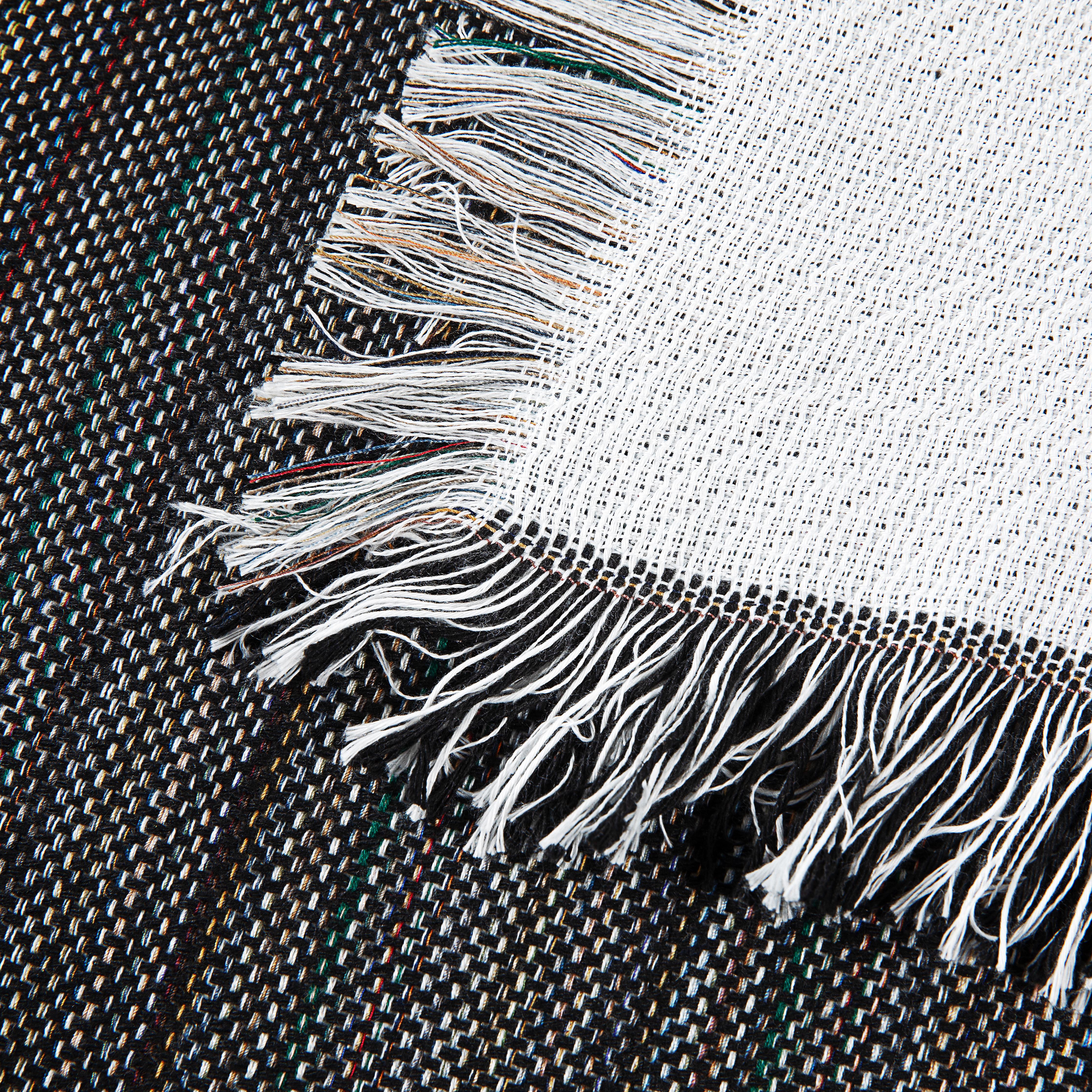
Take our Custom Woven Tapestry Blanks, for example. These aren't your typical smooth blankets. The design is literally woven into the fabric using a jacquard loom, giving them an incredible texture and heirloom quality.
A surface like this isn't meant for a heat transfer printable method, but it's the perfect backdrop for other customization techniques that celebrate texture.
- Embroidery: The tight, sturdy weave of a tapestry is an amazing base for embroidery. The stitches create a rich, dimensional look that feels both high-end and timeless.
- Direct-to-Garment (DTG): For some woven goods, DTG printing can work, but you'll definitely want to run a test. The textured surface can sometimes interfere with print clarity, so it's a "test first" situation.
As textile specialists, our focus is on curating blanks that give you the best possible result for whatever craft you're pursuing. By understanding which fabric pairs with which method, you can confidently choose the right blank from Spark Blank Textiles and create a five-star product, every single time.
Mastering Time, Temperature, And Pressure

When you move from theory to your heat press, getting a perfect result every single time boils down to three things: Time, Temperature, and Pressure. Think of them as the three legs of a stool—if one is off, the whole thing wobbles. Nailing this combination is what separates a homemade-looking item from a professional-grade product that people rave about.
This isn't just a casual suggestion; it's a science. The technology behind the thermal systems in our presses is a huge industry. In fact, the global market for heat transfer fluids grew from USD 4.23 billion in 2025 to USD 4.5 billion in 2026. That growth highlights just how much precision goes into developing equipment that can hold a consistent, accurate temperature. You can discover more insights about heat transfer fluid market trends if you're curious about the tech.
For your business, this all means one thing: dialing in these three variables is the secret to consistent, sellable quality. Let’s break down each one.
The Importance Of Accurate Temperature
Temperature is the catalyst. It’s the element that truly makes the transfer happen, but it’s also the most finicky part of the process. For dye-sublimation, the right amount of heat (usually 380-400°F) is what turns solid ink into a gas that bonds with the fabric. For HTV or transfer paper, it activates the adhesive.
-
Too Low: If your press is too cool, the transfer will fail. Sublimation ink won't fully turn to gas, leaving you with a faded, splotchy image. HTV adhesive won't cure properly, and your design will likely start peeling after the first wash.
-
Too High: Too much heat is just as bad, if not worse. It can scorch the fabric, leaving behind that dreaded yellowish stain, or even melt delicate polyester fibers.
Expert Tip: Don't automatically trust the digital readout on your heat press. They can be notoriously inaccurate. Grab an infrared temperature gun and periodically check the surface of your platen to make sure the temperature it says is the temperature it’s actually delivering.
Finding The Right Amount Of Time
Time and temperature are a team. The "dwell time" refers to how long the item needs to be pressed for the transfer to set permanently. This is absolutely not a setting to guess on.
Some types of HTV need only a few seconds, while a full-color sublimation transfer requires a longer press to allow the ink to fully migrate into the polyester fibers. Your best bet is to always start with the manufacturer's guidelines for the specific heat transfer printable you're using.
Understanding Pressure Settings
Finally, we have pressure. This is the physical force that ensures your transfer, your blank, and your heat source all make perfect, even contact. Most heat presses have adjustable pressure, usually described in simple terms like light, medium, or firm.
-
Light Pressure: Best for delicate fabrics or specialty materials where you want to avoid pressing the design too deep into the fibers.
-
Medium Pressure: This is your workhorse setting. It’s perfect for the vast majority of standard HTV and sublimation jobs, providing a solid bond without flattening the garment’s texture.
-
Firm Pressure: Required for certain transfer papers or specialty vinyls that need a lot of force to create a strong, lasting bond.
Getting a feel for adjusting your press is a skill you'll develop over time. If you want a more detailed walkthrough, check out our guide on using a heat press for apparel for more practical advice.
The absolute best way to perfect your recipe is to test. Before you press that final, beautiful blank, always do a test on a piece of scrap fabric or a test swatch. This one little step can save you a lot of frustration (and money!) and helps you lock in the perfect settings for your specific setup.
Troubleshooting Common Heat Transfer Issues
Sooner or later, it happens to all of us. You follow every step, use the best materials, and… the project just doesn't turn out right. Don’t worry, it’s a normal part of the learning curve. Learning to spot and solve these problems is what takes you from being a good maker to a great one. This is your go-to guide for fixing the most common frustrations you'll encounter with heat transfer printable methods.
Knowing how to fix these common hiccups isn't just about saving a product; it's what separates the pros from the hobbyists. As the market for professionally customized gear grows—the heat transfer equipment sector is projected to climb at a 4.2% compound annual growth rate through 2035—your ability to deliver consistently perfect products becomes your biggest asset. You can see the data on these equipment market trends to understand why quality tools are a solid first step in avoiding these issues altogether.
Faded or Dull Colors
The dreaded faded print. When your design comes off the press looking washed out instead of vibrant, it’s almost always a sign of one of three things: your settings are off, you've got the wrong fabric, or moisture has crashed the party.
- For Sublimation: Pale colors are a classic symptom of not enough heat or time. The sublimation ink needs to hit the right temperature for the right duration to fully transform into a gas and permanently dye the polyester fibers. Try bumping up your temp or adding a few seconds to your press time.
- For Any Method: Are you trying to press on the wrong material? Remember, sublimation ink only bonds with synthetic fibers. If you're using a 100% cotton shirt or a blend with too little polyester, the ink has nothing to grab onto.
- The Hidden Culprit: Moisture is the invisible enemy of a good transfer. Always, always pre-press your blank garment for 5-10 seconds. This releases any trapped humidity from the fabric and gives you a perfectly dry surface to work on.
Vinyl Is Peeling After Washing
There's nothing more soul-crushing than pulling a beautifully decorated shirt from the wash only to find the HTV peeling off. This is a clear sign that the vinyl didn't get a proper bond in the first place, usually due to a problem with pressure or time.
Think of it like this: the heat melts the adhesive, and the pressure pushes that melted adhesive deep into the weave of the fabric. You need the perfect trifecta of heat, time, and pressure for the adhesive to fully cure and create a permanent bond.
First, check your pressure settings. Most HTV demands firm, even pressure. If it’s too light, the adhesive just sits on top of the fabric instead of sinking in. Second, resist the urge to rush! Double-check the recommended pressing time for your specific vinyl and make sure you’re not cutting it short.
Ghosting or Blurry Images
In the sublimation world, "ghosting" is that frustrating, faint shadow that appears next to your otherwise sharp design. It happens when the transfer paper shifts—even a millimeter—while the ink is turning to gas and bonding with the fabric.
The key to preventing ghosting is to make sure that paper doesn't move. Period.
- Use Heat-Resistant Tape: Always secure your transfer paper to the blank with at least two pieces of high-temp tape. For larger designs, don't be shy about adding more.
- Open the Press with Care: When the timer buzzes, lift the press open slowly and smoothly. If you yank it open, the sudden air movement can cause the paper to slide just enough to create a blur.
- Cool Before You Peel: Let the item cool for a moment before removing the paper. This gives the ink a chance to fully set and solidify within the polyester fibers.
Once you get these simple fixes down, you'll be on your way to producing flawless results every time, turning every blank from Spark Blank Textiles into a masterpiece your customers will love.
Pairing the Right Blank with Your Project

Now for the part that really separates the pros from the pack: matching the right technique to the perfect blank. This is where you move from just making things to creating high-quality, in-demand products.
As textile specialists, we've seen it all. The secret to a successful print business isn't just having a great heat press; it's knowing exactly which blank will give you the best result for a specific job. Making the right choice from the start prevents those frustrating (and expensive) do-overs.
Our curated selection of textiles is sourced to be superstars for certain decoration methods. Think of this as your cheat sheet for getting it right every time.
For Vivid Edge-to-Edge Artwork
When your customer wants a big, bold, full-color design—like a photo blanket or a piece of custom artwork—dye-sublimation is the only way to go. But remember, it only works its magic on a 100% polyester surface. That's how you get those brilliant colors that are permanently fused into the fabric with zero feel.
For this kind of job, our premium sublimation throws are your best bet:
- Fleece Sublimation Throws: The surface on these is a smooth, bright white, which acts like the perfect canvas to make your colors absolutely pop. They're a huge hit for photo gifts, boutique merchandise, and branded products.
- Sherpa Sublimation Throws: If you want to offer a more luxurious, high-end option, these are fantastic. You get that super soft, plush sherpa on one side and a dedicated polyester printing face on the other, so you don't have to sacrifice comfort for a flawless, permanent design.
For Durable High-Use Promotional Items
For promotional gear that needs to last, durability is everything. Think about items like branded towels for a golf tournament or blankets for an outdoor festival. You need a design that can handle being used, washed, and exposed to the elements without peeling or fading.
Sublimation on polyester is unbeatable here because the ink becomes one with the fabric. Our Golf Towels and Outdoor Picnic Blankets are built for this. Their tough polyester construction is the perfect home for sublimation, guaranteeing logos and event branding stay crisp through every round of golf or family picnic.
For Premium Textured Heirlooms
Sometimes, the texture of the blank itself is the star of the show. For these special, high-end items, you want to choose a decoration method that complements the fabric's unique character instead of covering it up.
Our Custom Woven Tapestry Blanks are the perfect example. These aren't your average printables; they have a gorgeous, intricate jacquard-woven construction. Using a heat transfer printable like sublimation or HTV on them would be a mistake—it would flatten the texture and diminish the quality.
Instead, these heirloom-quality pieces are begging for embroidery. Pairing the rich, woven fabric with dimensional embroidery stitches creates a truly premium product. It's a classic combination that feels substantial and looks incredibly high-end, allowing you to offer something special that commands a much higher price point.
A Few Common Heat Transfer Questions
Once you start exploring the world of heat transfer printable materials, a few key questions almost always pop up. We get them from makers and small shop owners all the time, so let's clear up some of the most common points of confusion right now.
Can I Just Use My Home Iron for This?
For a one-off hobby project using HTV or transfer paper, a home iron can get the job done—sort of. But if you are running a business and want professional, lasting results, we really don't recommend it.
The problem is that a regular iron has hot spots and can’t deliver the consistent, even pressure a design needs to properly bond with the fabric. For any business, a dedicated heat press isn't a luxury; it's a must-have piece of equipment. It’s the only way to guarantee the exact temperature and firm pressure needed to create products that people will love and that last.
What's The Most Durable Heat Transfer Method?
Hands down, it’s dye-sublimation. There’s really no contest here. With other methods, the design sits on top of the fabric. With sublimation, the ink actually becomes part of the fabric itself.
The heat turns the ink into a gas, which bonds permanently with the polyester fibers. This means the design will not crack, peel, or fade, no matter how many times you wash it. For anything that will see heavy use—like blankets, towels, or activewear—sublimation is the gold standard for longevity.
Why Won't Sublimation Work on a 100% Cotton Blanket?
This is a big one, and it all comes down to science. Think of it like trying to stain a plastic surface—it just won’t work. The stain needs wood grain to soak into.
Sublimation ink is the same way; it needs polyester fibers to bond with. The heat causes those synthetic fibers to open up and absorb the ink permanently. Cotton is a natural fiber and simply doesn't react to the heat in the same way. If you try to sublimate on cotton, the ink has nothing to grab onto. The result will be a dull, faded mess that will almost completely disappear after the first wash.
Ready to create brilliant, permanent designs? The Spark Blank Textiles collection of premium sublimation blanks is curated to give you the perfect canvas for your most creative projects.