What Is HTV and How Can It Grow Your Business?
If you've ever seen a t-shirt with a crisp, graphic design that sits on top of the fabric, you've likely seen heat transfer vinyl, or HTV, in action. It's a special type of vinyl that lets you decorate fabrics and other materials using a combination of heat and pressure. For small business owners and makers, it's an incredibly effective tool for turning blank textiles into personalized, high-value products.

What Is Heat Transfer Vinyl? A Quick Intro
So, what exactly is this material? At its core, HTV is a polyurethane material that comes on a clear carrier sheet. One side has the color or finish you see, while the other has a heat-activated adhesive.
When you press it onto a garment with a heat press, that adhesive melts and fuses directly into the fibers of the fabric. Once it cools, you peel away the clear carrier sheet, and your design is left permanently bonded to the item. It’s a beautifully simple and effective process that empowers businesses of all sizes to create professional-quality custom goods.
Why HTV Matters for Your Business
For any business in the custom gift or apparel space—from Etsy sellers to boutique merchandise creators—HTV is a game-changer. It’s an incredibly accessible way to turn blank goods like t-shirts, towels, and even unique textiles like our sherpa blankets into profitable, personalized merchandise.
Unlike screen printing, which often requires significant setup for each color, HTV lets you create one-off custom designs or small batches with minimal fuss. This flexibility is key for small businesses aiming to meet customer demands for personalization without massive upfront investment.
The Growing Demand for HTV Products
The popularity of HTV isn't just anecdotal; the numbers back it up. The global HTV market was valued at around USD 1.25 billion recently and is on track to nearly double by 2032. This explosion is driven by the massive demand for custom apparel, team gear, and promotional items.
What’s fueling this growth? HTV’s user-friendliness empowers everyone, from home-based entrepreneurs to established print shops, to produce vibrant, professional-quality designs.
As textile specialists, we see the magic of HTV in how it bridges the gap between a blank textile and a high-value, custom product. It’s the perfect tool for creating detailed, single-color graphics that are both cost-effective and straightforward to produce.
To give you a clearer picture, let's break down the components of HTV.
HTV At a Glance
| Component | Description | Purpose for Your Business |
|---|---|---|
| Vinyl Material | The colored or textured polyurethane film that becomes your design. | This is what your customers see—the key to creating vibrant, eye-catching graphics on your products. |
| Adhesive Layer | A heat-activated glue on the back of the vinyl. | This is what ensures your designs are durable and permanently bonded to the fabric, reflecting your brand's commitment to quality. |
| Carrier Sheet | A clear, sticky plastic sheet that holds the vinyl in place during cutting and application. | This protects your design and makes it easy to position perfectly on the garment before pressing, ensuring a professional finish. |
This simple three-part structure is what makes the whole process work so smoothly for makers and small businesses.
How HTV Compares to Other Methods
Now, you might be wondering how HTV stacks up against other decoration techniques, particularly sublimation. While both use heat, they are fundamentally different processes. HTV adds a layer on top of the fabric, which is great for bold graphics on any color material, including darks.
Sublimation, on the other hand, dyes the fibers of the fabric itself, which works only on light-colored polyester materials. Each has its place. If you're trying to figure out which is right for your product line, our guide comparing sublimation vs. heat transfer vinyl can help you weigh the pros and cons for your specific business goals.
Choosing the Right Type of HTV for Your Project
So, you understand the basics of heat transfer vinyl. The next, and arguably most important, step is recognizing that not all HTV is created equal. The specific type you choose is the single biggest factor in whether your finished product looks professional and lasts through wear and tear.
Think of it like choosing the right material for a project. For small print shops and custom gift businesses, matching the vinyl to the fabric isn't just a best practice—it's crucial for your reputation and keeping customers happy.
Let's walk through the most common types of HTV and where each one truly shines.
Standard PU Heat Transfer Vinyl
Standard Polyurethane (PU) HTV is the industry's reliable workhorse. This is your go-to for the majority of projects: cotton t-shirts, canvas tote bags, and simple logos on polyester blends. Because it's thin, flexible, and easy to weed, it's perfect for producing crisp, clean graphics efficiently.
If your shop is making branded staff shirts or promotional tote bags, Standard PU is your best friend. It delivers a consistently smooth and durable finish that’s perfect for a massive range of everyday applications.
Stretch Heat Transfer Vinyl
If you're working with any fabric that has a bit of give, Stretch HTV isn't just an option—it's a necessity. This vinyl is specifically engineered with extra elasticity, so it moves with the fabric instead of fighting against it. This prevents the design from cracking or looking stiff. It's the only real choice for athletic apparel, leggings, and ribbed tanks.
This is especially important when working with our curated selection of premium blankets. Stretch HTV is the secret to keeping our plush, cozy items feeling amazing.
- Fleece Blankets: The soft, pliable nature of fleece needs a vinyl that can stretch right along with it.
- Sherpa Throws: On our ultra-fluffy sherpa, Stretch HTV is key to making sure your design doesn't create a stiff, awkward patch on an otherwise cozy blanket.
Using standard HTV on these materials will leave you with a rigid design that feels cheap and will likely crack or peel over time. Stretch HTV is what preserves that premium, comfortable feel your customers expect.
When you're working on any textile built for comfort and movement—from a high-end fleece blanket to performance gear—always reach for Stretch HTV. It’s what separates a product that feels professionally made from one that feels like a clunky DIY project.
Glitter and Flock HTV
Looking to add some real personality? This is where specialty vinyls like Glitter and Flock come into play. Glitter HTV is exactly what it sounds like—it's loaded with actual glitter flakes for a brilliant, textured sparkle that catches the eye and can command a higher price. It’s a huge seller for spirit wear, boutique apparel, and holiday-themed gifts.
Flock HTV, on the other hand, adds a totally different kind of texture. It has a soft, raised, almost velvety feel, similar to suede. This adds a tangible sense of depth and luxury to a design. It's a fantastic choice for retro-style logos or for adding a premium, tactile element to something like our Woven Tapestry blankets.
Printable Heat Transfer Vinyl
Finally, we have Printable HTV. This is your problem-solver for designs that are just too complex for traditional cutting and layering—think full-color logos, photographic images, or designs with smooth gradients. You use a compatible printer (typically one that uses solvent or eco-solvent inks) to print your image directly onto the vinyl. After that, you just cut it out and press it like any other HTV.
It’s the best way to tackle those incredibly detailed, multi-color graphics without the headache of trying to perfectly align a dozen different layers of vinyl.
The Magic of HTV: From Digital Design to Finished Product
So, how do you take a digital design and turn it into a fantastic, wearable piece of art using heat transfer vinyl? It’s a surprisingly straightforward journey, but one where every step matters. Let's walk through the entire process, from your computer screen to the final press, and cover the essential tools you'll need.
Your Step-by-Step HTV Workflow
Getting a clean, professional finish that actually lasts boils down to four main stages. Think of it as a recipe—skip a step, and the final result just won't be right.
-
Design and Mirror: First, create or import your design into your software. The most crucial part: you absolutely must mirror the image before cutting. You're cutting the vinyl from the back, so flipping it is the only way to ensure it reads correctly when you press it onto your garment.
-
Cut the Vinyl: Load your HTV sheet into your vinyl cutter. A common mistake is loading it shiny-side-up, but you want the shiny carrier sheet facing down. The blade will slice through the vinyl layer while leaving that clear carrier sheet perfectly intact.
-
Weed the Design: "Weeding" is the oddly satisfying process of removing all the extra vinyl you don't want in your design. Using a tool like a weeding hook, you'll carefully peel away all the negative space. What's left behind is your beautiful graphic, perfectly positioned on its sticky carrier sheet.
-
Heat Application: Now for the final step. Carefully place your weeded design onto the fabric. Using a heat press, you'll apply a specific amount of heat and pressure for a set amount of time. This activates the adhesive, creating a permanent bond between the vinyl and the fibers of your textile.

As you can see, thinking about which type of vinyl you need—whether it’s standard, stretch, or something with sparkle—is just as important as the application itself.
Heat Press vs. a Home Iron: The Professional's Choice
Can you use a home iron for a hobby project? Sure. But if you're running a business, a professional heat press isn't just a recommendation—it's essential. The difference is all about consistency, pressure, and temperature.
An iron has hot and cold spots, and you’re left guessing how much pressure to apply. This is a recipe for peeling designs and unhappy customers.
A heat press provides something an iron never can: precise, edge-to-edge heat and measurable, even pressure. It's the only way to guarantee that the tenth product you sell is just as perfect as the first. For any small business, that reliability is your reputation.
The demand for custom products has exploded, with North America alone accounting for about 33% of global HTV revenue back in 2022. For print shops, Etsy sellers, and custom gift businesses, a heat press is the tool that lets you meet that demand with truly professional, durable goods.
This commitment to quality equipment directly translates into customer trust and repeat business. If you’re serious about setting up a professional workspace, don't forget the ergonomics; our guide on choosing the right heat press stand can help you create a more efficient and comfortable production area. Ultimately, your tools are a direct reflection of your brand's promise of quality.
Matching HTV With The Perfect Fabric
The real magic of heat transfer vinyl happens when you pair it with the perfect fabric. Choosing the right textile is just as critical as picking the HTV itself. It’s the difference between a product that looks and feels premium and one that just falls flat. For business owners, this is where you can truly make your brand stand out.

Sure, standard HTV works beautifully on old reliables like 100% cotton and cotton/poly blends. But your creativity shouldn't stop there. As textile specialists, we know that applying HTV to unique materials—like the plush fleece or textured sherpa in our curated collection—is what creates truly memorable, high-value products. The key is simply understanding how to adapt your technique for these premium surfaces.
Best Practices For Delicate And Textured Fabrics
When you're working with anything beyond a standard t-shirt, a few extra steps are non-negotiable. These aren't just suggestions; they're essential for getting professional results and protecting the fabric.
- Use a Protective Sheet: Always place a Teflon sheet or a piece of multi-purpose paper over your HTV design before pressing. This barrier prevents direct heat from scorching or melting delicate fibers, which is especially important for synthetics like polyester.
- Consider a Pressing Pillow: For items with seams, zippers, or any uneven surface, a pressing pillow is a game-changer. It helps distribute pressure evenly across the design, ensuring every part of the vinyl gets the contact it needs to adhere properly.
- Lower Your Temperature: Plush fabrics like fleece and sherpa are much more sensitive to heat. Try lowering your press temperature slightly and do a shorter press to avoid flattening the texture or damaging the fibers.
The goal is to make the HTV design look like it belongs on the fabric, not like it was just stuck on top. Protecting the textile's natural texture is just as important as getting the vinyl to stick.
Applying HTV To Spark Blank Textiles Products
Our curated selection of premium blanks was chosen for quality, and with the right approach, they make fantastic canvases for HTV. Here's how to get the best results with some of our most popular products.
The table below is a cheat sheet for turning our premium blanks into your next bestseller.
HTV Application Guide for Spark Blank Textiles Products
| Spark Product | Best HTV Type | Key Application Tip | Business Use Case |
|---|---|---|---|
| Sherpa Sublimation Throws | Flock or Glitter HTV | Use a pressing pillow to work with the deep pile, not against it. A lower temp protects the fibers. | Creating luxury, personalized gifts with a tactile, high-end feel. |
| Fleece Sublimation Throws | Stretch HTV | Preserves the cozy, flexible feel. Standard HTV can feel stiff on plush fleece. | Custom sports team blankets or branded corporate throws that stay soft. |
| Microfiber Picnic Blankets | Standard or Stretch HTV | The smooth surface is easy to work with, but always use a Teflon sheet to protect the material. | Branded outdoor event merchandise or personalized family picnic blankets. |
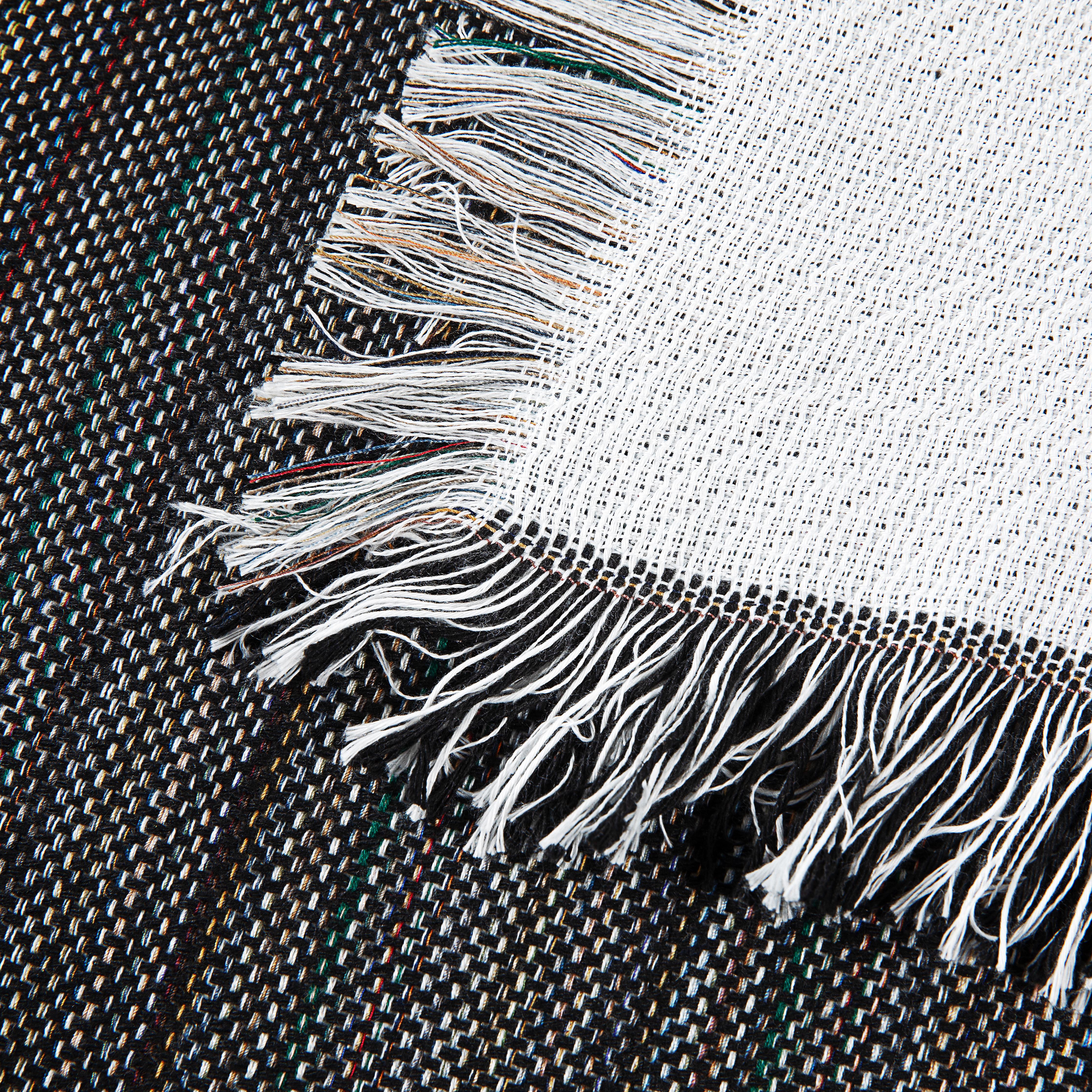
| Woven Tapestry Blankets | Standard or Stretch HTV | Use a pressing pillow to navigate the weave. Simple, bold designs work best on the textured surface. | Creating unique wall art or statement throws with a custom-designed look. |
By understanding the nuances of each fabric, you can confidently customize even the most unique textiles. Knowing what HTV is and how it interacts with different surfaces is the first step toward expanding your product line with confidence and creativity.
Troubleshooting Common HTV Application Problems
Even with the best equipment and experience, sometimes a project just doesn't cooperate. It happens to everyone. Whether you're a seasoned pro or just unboxing your first heat press, hitting an application snag is frustrating.
The good news? Most HTV headaches have surprisingly simple fixes. Once you know what to look for, you can diagnose the issue, save your material, and get right back to creating the top-notch products your customers love.
Let's walk through the most common culprits and how to solve them.
Problem 1: The Vinyl Won't Stick
This is, without a doubt, the most frequent issue we all run into. You go to peel back the carrier sheet, and the design lifts right off with it. Nine times out of ten, the problem lies with one of the three core elements of heat application: time, temperature, or pressure.
First, double-check your temperature settings. If your heat press is too cool, the adhesive on the vinyl won't properly activate. Always start with the manufacturer's recommended settings for your specific type of HTV.
Next, think about pressure. If you don't have enough pressure, or if it's uneven, the vinyl can't make solid contact with the fabric fibers. This is where a quality heat press really shines, delivering consistent, even pressure that a home iron simply can't replicate. If you're working over seams or collars, slide a pressing pillow inside the garment to create a flat, even surface for the press.
Problem 2: The Design Is Peeling After a Wash
There’s nothing worse than seeing a perfectly pressed design start to peel away after its first trip through the laundry. This almost always points back to an issue with the initial application.
- Improper Curing: This means the adhesive didn't fully melt and bond with the fabric. Try adding another 5 seconds to your press time or bumping the temperature up by 5-10 degrees (if the fabric can handle it).
- Washing Too Soon: Patience is key! You must wait at least 24 hours after pressing before you wash the item. This waiting period allows the adhesive to fully cure and create a permanent bond.
- Fabric Coatings: Brand new garments sometimes have a light chemical finish from the factory that can block the HTV adhesive. A quick pre-press for 3-5 seconds before you place your design will burn off this residue and any moisture, creating a perfect surface for the vinyl.
Problem 3: The Fabric Looks Scorched or Melted
Working with plush, delicate fabrics like sherpa or heat-sensitive polyesters requires a careful touch. If you see scorch marks or a shiny, melted-looking square from your heat platen, your temperature is too high or you’ve pressed for too long.
To prevent scorching, a protective cover sheet is your best friend. A Teflon sheet or even a piece of parchment paper acts as a barrier between the hot platen and your fabric. It diffuses the heat evenly and shields delicate fibers from direct contact.
For particularly sensitive projects, other tools can also lend a hand. While the article is about sublimation, many of the same principles for protecting your blanks apply to HTV. You can learn more in our guide on using heat-resistant tape for sublimation. By matching the right technique with our premium textiles, you’ll be able to produce flawless results every single time.
Proper Care Instructions: Keeping Your Designs Looking Great
Your job isn't quite done when the heat press opens. A truly professional product is one that lasts, and that’s where clear care instructions come in. This small step is a game-changer; it shows you care about the product's life after the sale and cements your reputation as a knowledgeable and supportive partner.

When you pass this knowledge on to your customers, you’re not just giving them laundry tips. You’re building trust, ensuring they stay thrilled with their purchase, and giving them every reason to come back for more.
The Golden Rule of the First Wash
If you can only give one piece of advice, make it this one. The adhesive on heat transfer vinyl needs time to fully set and grip the fabric fibers. Rushing it into the wash is the fastest way to a failed design.
Crucial Tip: Always tell your customers to wait at least 24 hours before the very first wash. This simple delay allows the adhesive to cure completely, locking the design in place and dramatically boosting its durability.
Skipping this 24-hour waiting period is the number one reason a perfectly good design peels or cracks. It’s a tiny detail that makes all the difference.
Standard Washing and Drying Recommendations
After that first 24-hour cure time, care is pretty simple. Here are the core instructions you should share with every customer to keep their custom gear looking brand new.
- Turn It Inside-Out: This is a simple habit that protects the design from rubbing against other clothes, zippers, and buttons in the wash.
- Wash Cold: Hot water is not HTV’s friend. It can soften the adhesive over time. Stick to cold water and a mild detergent.
- Tumble Dry on Low or Hang Dry: Just as the heat press applied the vinyl, the high heat of a dryer can damage it. Low heat is acceptable, but hanging to air dry is always the safest bet.
Don’t forget to add a couple of critical warnings. Tell customers to never use bleach or fabric softener, as the chemicals can eat away at the vinyl. And, most importantly, never iron directly on the design—it will melt almost instantly and ruin both the garment and your iron.
Diving Into Your HTV Questions
Let's tackle some of the most common questions we get from business owners like you. Getting these details right is the key to creating products you're proud of and that your customers will love.
Can I Use HTV On A 100% Polyester Sherpa Blanket?
Yes, you absolutely can, but it requires finesse. The trick is to use a lower temperature—around 280-300°F—and a shorter press time. This prevents the delicate sherpa fibers from melting under the heat.
Always use a Teflon sheet as a barrier between your heat press and the blanket. It's also a great practice to do a quick test press on a small, hidden corner first. For plush fabrics like our sherpa, we also recommend trying a textured vinyl. A quality flock or glitter HTV can really complement the fabric's deep texture, giving you a beautiful, high-end finish.
What Is The Difference Between HTV And Adhesive Vinyl?
This is a great question, and the answer comes down to their intended purpose and how they adhere to a surface. Think of them as two different tools for different jobs.
- Heat Transfer Vinyl (HTV): This vinyl has a heat-activated adhesive on the back. It’s made specifically for fabric and other soft goods—t-shirts, tote bags, and our premium blankets. It needs a heat press to create a permanent bond.
- Adhesive Vinyl: This is essentially a durable, high-quality sticker. It’s designed for hard, smooth surfaces like glass, car windows, laptops, or mugs. You just peel and stick it on at room temperature; no heat needed.
Why Is My HTV Design Peeling After Washing?
If your design is lifting after a wash, it almost always points back to a problem with the initial application. The bond just wasn't strong enough, and it usually boils down to one of three culprits: not enough pressure, the wrong temperature, or too little time under the heat.
Make sure your heat press is calibrated correctly and that you're applying firm, even pressure across the entire design. Double-check the specific time and temperature instructions for the exact type of HTV you're using. Most importantly, always wait a full 24 hours after pressing before that first wash. This waiting period is non-negotiable; it gives the adhesive the time it needs to fully cure and lock into the fabric fibers for good.
Ready to create stunning custom products? At Spark Blank Textiles, we've curated a collection of premium, print-ready blankets and towels that are perfect for your next HTV project. Discover quality you can actually feel.