Your Guide to the Perfect Sublimation Printing Starter Kit
So, you're ready to dive into the world of sublimation? It's a fantastic way to create professional-quality custom products that are built to last. A good sublimation printing starter kit is your all-in-one ticket to turning digital designs into tangible, in-demand items like custom blankets and towels. Think of it as your first real step into the booming market for personalized gifts.
Exploring the World of Custom Product Printing

If you’re an Etsy seller, run a small print shop, or create merchandise for boutiques, you’ve definitely seen the explosion in demand for personalized products. Sublimation printing isn't just another craft trend; it's a proven business method that lets small businesses produce high-margin items with stunning, photorealistic quality right from a home office or workshop.
So what's the magic behind it? In simple terms, sublimation is a process where solid ink turns into a gas under heat, bonding permanently with polyester fibers or special polymer-coated surfaces. It's not ink sitting on top of the fabric like with screen printing or a heat transfer vinyl (HTV) decal. The ink becomes part of the material. This means your designs won't crack, peel, or fade, giving you a premium product that customers truly value and are willing to pay more for.
The Opportunity for Small Businesses
This is where a sublimation printing starter kit really shines. It makes what sounds like complex technology completely accessible, bridging the gap between your creative spark and a physical product you can sell.
Just think about what you could create:
- Custom Blankets: Turn a simple fleece or sherpa throw into a cherished keepsake by printing it with family photos or custom art.
- Personalized Towels: Design unique beach or golf towels that stand out with names, dates, or logos.
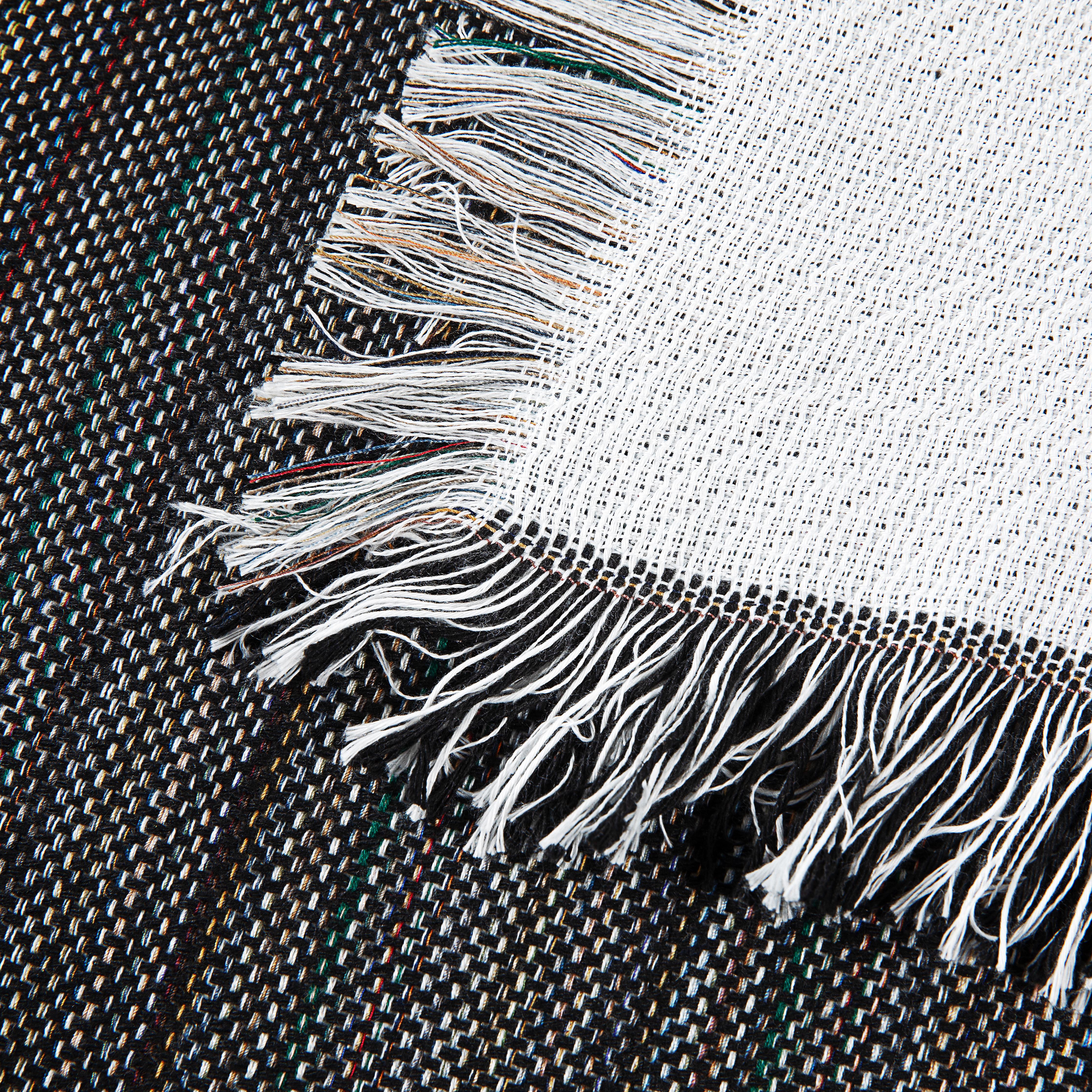
- Heirloom-Quality Gifts: Offer one-of-a-kind woven tapestry blankets for weddings, anniversaries, and other milestones.
And the best part? You don’t need a huge factory or a massive initial investment. You can build a profitable business centered on your own creativity and commitment to quality. It's easy to see why so many makers are making the leap to sublimation.
As textile specialists, we at Spark Blank Textiles see firsthand how the right blank can elevate a simple design into a must-have product. Your creative vision deserves a premium canvas, and that’s what we’ve curated our collection to provide.
A Market Poised for Growth
The buzz around sublimation isn't just hype; the numbers back it up. Industry analysis shows the global dye sublimation printing market was valued at nearly $15 billion in 2024 and is on track to almost double by 2030. What’s driving this? A massive consumer appetite for customized textiles, home décor, and promotional goods—exactly the kinds of products you can make with a starter kit. For anyone thinking about getting into this field, that data points to a healthy, growing market with staying power. You can see the full breakdown by checking out the dye sublimation printing market's growth on The Cannata Report.
We've designed this guide to be like having an experienced friend in the industry walking you through everything. We'll demystify the equipment, help you choose the right materials, and share the practical, real-world tips you need to get started and succeed. Your creativity is the spark—let's get you set up to turn it into something brilliant.
Assembling Your Essential Sublimation Printing Kit

Diving into sublimation printing isn't just about buying a pre-made sublimation printing starter kit and hoping for the best. It's about understanding what each tool does so you can build a setup that fits your business goals. Think of it as outfitting a professional workshop—every piece has a purpose.
From the moment you hit "print" to when you peel back that final transfer, each component plays a critical role. Let's walk through the essential gear you’ll need to turn your digital designs into stunning, high-quality products people will love.
Your Sublimation Starter Kit Equipment Checklist
To get started, you need a handful of core items. Each piece works together, and understanding their function helps you troubleshoot issues and make smarter upgrade decisions down the road.
| Component | Primary Function | Professional Tip |
|---|---|---|
| Sublimation Printer | Prints your designs using special sublimation ink onto transfer paper. | You can't use a standard office printer. Look into a dedicated Sawgrass or a new, converted Epson EcoTank. |
| Sublimation Ink | A special dye that turns into a gas under heat, bonding with polyester fibers. | Never mix with regular ink. Quality ink is key to color accuracy and vibrancy; it's an investment in your final product. |
| Sublimation Paper | A coated paper designed to hold and then release the sublimation ink when heated. | Using the wrong paper leads to faded, blotchy results. Always buy paper specifically for sublimation. |
| Heat Press | Provides the consistent heat and pressure needed to transfer the ink from paper to product. | The size of your press determines the size of the products you can make. Don't skimp on quality here! |
| Butcher Paper | Protects your heat press and product from ink "blowout" during the pressing process. | This is non-negotiable. Always place a sheet inside and on top of your textile to prevent staining. |
| Heat-Resistant Tape | Secures the transfer paper to your blank, preventing it from shifting during pressing. | Shifting causes blurry "ghosting." A good roll of heat tape is a small price to pay for perfect results. |
This checklist covers the absolute must-haves for a functional sublimation setup. With these tools in place, you'll be well-equipped to start creating.
The Core Equipment Trio
First things first, your printing setup is built on a foundation of three items that must work in perfect harmony: your printer, your ink, and your paper. If one part of this trio isn't up to snuff, your final product will suffer—no matter how great your design is.
-
The Printer: You need a printer built for the job. Sublimation requires a specific printhead technology you'll find in brands like Sawgrass or Epson. Small businesses typically go one of two ways: a dedicated, purpose-built printer (like a Sawgrass) or a brand-new, converted Epson EcoTank. The dedicated route is plug-and-play with excellent support, while converting an EcoTank can be a more budget-friendly way to get your foot in the door.
-
The Ink: This isn't your average printer ink. Sublimation ink is a unique dye that transforms from a solid straight to a gas when heated, which is how it permanently bonds with polyester. If you try using anything else, your designs will simply wash away or fail to transfer. Keep an eye on the ongoing cost of ink; it's a smart move to compare the price per milliliter when choosing your brand. Our guide on printers for heat transfer paper touches on some related technologies that can provide more context.
-
The Paper: You can't just grab a ream from the office supply closet. Sublimation paper has a special coating engineered to hold the ink on its surface and then release nearly all of it under heat. That high ink release is the secret to getting those incredibly vibrant, saturated colors on your blankets or towels.
The Heart of Your Operation: The Heat Press
If the printer is the brain of your business, the heat press is the heart. This machine is what brings your designs to life by applying the precise heat and pressure needed for the sublimation magic to happen. The right press for you depends entirely on what you want to create.
If you're focusing on larger items like blankets, towels, or other textiles, you'll want a press with a platen of at least 16x20 inches. This lets you press bigger designs in one go, which is key for getting even color and avoiding those frustrating press lines you can get from trying to press a large item in sections. For thicker items like our Sherpa Sublimation Throws, a swing-away press often gives better, more even pressure than a clamshell model.
A piece of advice from experience: Invest in a quality heat press right from the start. You'll save yourself so many headaches down the line. Consistent temperature and even pressure are absolutely non-negotiable for making professional products you can sell.
The good news for new entrepreneurs is that the market is adapting. The sublimation equipment industry is expected to hit $4.1 billion by 2032, driven by manufacturers creating more accessible, entry-level tools for small businesses. This means it’s easier than ever to get started without a massive upfront investment.
Essential Accessories and Software
Finally, a few small but mighty accessories will make your entire workflow smoother and protect your expensive equipment. We consider these non-negotiable for getting professional, repeatable results.
- Heat-Resistant Tape: Use this to firmly secure your printed paper to your blank. Even the slightest shift during pressing will cause "ghosting," which looks like a blurry, doubled image.
- Blowout Paper (Butcher Paper): This is your heat press's best friend. Place a sheet of plain, uncoated butcher paper inside your textile and another on top before you press. It catches any excess ink that "blows out," preventing permanent stains on your heat press platen.
- User-Friendly Design Software: You don't have to be a Photoshop pro. Programs like Canva, Silhouette Studio, or Affinity Designer are fantastic for creating and preparing your files. The most critical function you need is the ability to mirror your image before you print—this is an absolute must for every single sublimation project.
Choosing Blanks That Create Sellable Products
You’ve got your sublimation printing starter kit all set up and ready to go. Now for the million-dollar question: what are you actually going to print on? We’ve seen countless makers invest in top-of-the-line equipment only to be disappointed by their final products. The hard truth is, your printer and press are only half the equation. The real magic—and the perceived value of your work—comes down to the blank you choose.
Sublimation has one non-negotiable rule: it only bonds with polyester. The ink needs polymer to fuse with, which is why you can’t just grab a 100% cotton t-shirt and expect a vibrant, permanent design. For textiles, a higher polyester count directly translates to bolder, richer colors that won't fade away. This is the bedrock principle we built our entire collection on here at Spark Blank Textiles.
The Foundation of a Premium Product
Not all polyester is created equal. The weight, weave, and finish of a fabric dramatically change how your design looks and, just as importantly, how the final product feels. A thin, flimsy polyester blank might technically work, but the colors will look washed out and the item will feel cheap. A high-quality, plush blank, on the other hand, creates something that feels substantial and makes your artwork pop.
As textile specialists, we've spent years sourcing and testing textiles to find what works best. Here’s a look at what that means in practice:
- Fleece Sublimation Throws: We specifically chose a 300 GSM (grams per square meter) fleece. It's dense enough to soak up ink for incredible color saturation but still has that classic, cozy feel people expect from a photo blanket or a custom throw.
- Sherpa Sublimation Throws: These are pure luxury. At a hefty 430 GSM, they give you the best of both worlds: a perfectly smooth, 100% polyester face for printing your design and a thick, textured sherpa backing for that ultra-premium, cozy feel. An item like this immediately signals high quality and can command a higher price.
Beyond Blankets to High-End Textiles
Don't limit your imagination to just standard items. The real opportunity lies in offering unique, high-quality textiles that help you stand out. You can carve out a profitable niche by moving beyond simple custom gifts and creating genuine keepsakes.
For instance, our Woven Tapestry Blankets are a game-changer. They aren’t just a smooth surface for a photo; their unique woven texture gives your design an artistic, heirloom quality that looks like a piece of decor. Similarly, our Outdoor Picnic Blankets are built for function and style. The 410 GSM micro-plush top sublimates beautifully, while the durable, water-resistant backing means it's ready for real-world use. If you really want to dive deep into the materials, our guide on the best fabric for sublimation printing breaks down all the differences.
Here’s the secret: start with a blank that feels like a premium product before you even press it. When a customer can feel the quality in their hands, the value of your custom artwork skyrockets.
Tapping into a Proven Market
Choosing the right blanks isn't just about making pretty things—it's a smart business move. The demand for personalized products is absolutely huge. To put it in perspective, the custom t-shirt market alone is valued at $5 billion globally. That's just one slice of the pie! This is precisely why a sublimation starter kit is such a great investment; you're tapping into a massive, proven industry. For a little inspiration, check out some of the best-selling sublimation products on makerflo.com to see what's trending.
By focusing on premium textiles like plush blankets and high-end towels, you position your business to serve the top end of this market. You stop competing on price and start winning on quality and the unique appeal of your products. Customers aren’t just buying a print; they're buying a cozy, beautiful gift designed to last. That’s the power of starting with the right blank.
How to Achieve a Perfect Press Every Time
Alright, your sublimation printing starter kit is all set up, and you’ve picked out your first blank. This is where the magic happens—when you turn a file on your computer into a vibrant, physical product. Getting that perfect press isn't luck; it’s all about having a solid process.
Let's run through the workflow from start to finish. We’ll use a real-world example—pressing one of our Spark Blank Textiles fleece blankets—to show you exactly how it’s done. Our goal is to help you nail it on your first try.

The whole thing boils down to three key phases: design prep, printing, and pressing. It’s a simple flow, but every step counts.
Finalizing and Printing Your Design
Your success starts on the computer, long before the heat press even warms up. Once your artwork is ready, there are two things you absolutely have to get right.
First, you must mirror your image before printing. This flips it horizontally. It’s supposed to look backward on your screen and on the paper. When you press it, the design will transfer in the correct orientation. Forgetting to mirror is a classic rite of passage, and it’s a painful one if your design has any text.
Second, nail your print settings. When sending the file to your sublimation printer, always use the right profile for your specific ink and paper combo. We always recommend choosing a high-quality print setting and selecting "matte paper" or a sublimation-specific paper option if your driver has one. This tells the printer to lay down just the right amount of ink for a rich transfer without making the paper soggy.
Pro Tip: When your design comes out of the printer, it’s going to look dull and faded. Don't panic! This is completely normal. Sublimation inks only pop with their true, bright colors after being activated by heat. You have to trust the process.
Prepping the Blank for a Flawless Finish
With your mirrored design printed, it’s time to get the blank ready. Skipping these prep steps is how tiny, frustrating imperfections find their way onto your final product.
Start by setting your heat press to the correct time and temperature for your blank. A good starting point is crucial, as different materials require different settings.
Time and Temperature Starting Points for Common Blanks
Use these recommendations as a starting point for time, temperature, and pressure. We can't stress this enough: always test a small sample with your specific equipment and blanks before committing to your final product. Every press is a little different.
| Blank Material (100% Polyester) | Temperature (°F / °C) | Time (Seconds) | Pressure |
|---|---|---|---|
| Fleece Throws | 385°F / 196°C | 60 | Medium |
| T-Shirts / Apparel | 400°F / 204°C | 45-55 | Medium |
| Ceramic Mugs | 400°F / 204°C | 180-210 | Firm |
| Aluminum Photo Panels | 400°F / 204°C | 60-75 | Medium |
These settings will get you in the ballpark, but you'll fine-tune them as you gain experience with your own gear.
Pre-Pressing and Positioning
Once your press is heated, it's time to prep the fabric itself.
- Lint-Roll Everything: Go over the entire surface of your blank with a lint roller. We mean really go over it. A single stray fiber, speck of dust, or strand of pet hair can sublimate into a distracting blue or dark mark. You can’t overdo it here.
- Pre-Press the Blank: Place the blank on your heat press and press it for 5-10 seconds. This simple step steams out any hidden moisture and flattens wrinkles, giving you a perfectly smooth, dry canvas for the ink.
- Secure Your Design: Carefully place the printed transfer paper face-down onto the blank. Use a few pieces of heat-resistant tape to lock it down at the corners. The goal is to make sure it's completely flat and won't shift an inch when you close the press. Any movement causes "ghosting," which looks like a blurry shadow on your final print.
The Pressing Phase: Making it Permanent
This is the moment of truth. Place a protective sheet of butcher paper over the transfer paper to shield your heat press platen from any ink "blowout" around the edges.
Now, close the press. That specific combination of time, temperature, and pressure is what works the magic, turning the solid ink into a gas that permanently infuses into the polyester fibers.
When the timer goes off, open the press. Do it quickly but smoothly. If you have a swing-away press, swing it away cleanly. For clamshells, lift straight up. This helps prevent the paper from shifting as the press opens, which is another common cause of ghosting. The type of press you own can really impact your workflow with larger items; you can see why we often recommend a swing-away heat press for larger textiles in our detailed article.
And now for the best part—the reveal. While it’s still hot, carefully peel away the transfer paper. This "hot peel" will show you the vibrant, full-color design that has literally become part of the fabric. The transformation from the dull print on paper to the brilliant final product never gets old.
Let your new creation cool down completely. That's it! The design is now permanent. It won't crack, peel, or fade in the wash. You’ve just made a professional-quality piece.
Solving Common Sublimation Printing Problems
Let's be honest: no matter how perfect your sublimation printing starter kit is or how carefully you follow the steps, you're going to have prints that just... fail. It happens to all of us. The real skill isn't in never making a mistake, but in quickly figuring out what went wrong so you can fix it without wasting another expensive blank.
Think of us as your support team. As textile specialists, we've seen every possible printing mishap, and we've learned how to fix them. Here are the most common issues you'll likely run into and, more importantly, how to get back to creating amazing products.
Why Do My Colors Look Faded or Brownish?
This is the big one. You press a gorgeous design onto a fleece blanket, peel away the paper with anticipation, and... the colors are just sad. Maybe the vibrant reds look like muddy brown, or the whole image is faint and washed out. It’s incredibly frustrating, but the fix is almost always simple.
Nine times out of ten, this comes down to one of two culprits:
- Your Heat and Time are Off: Sublimation is a science. If your press isn't hot enough or you don't leave it on long enough, the ink never fully turns into a gas. This "under-cooking" leads to a weak, dull transfer. On the flip side, too much heat or time can literally burn the ink, scorching your deep colors and turning them into a brownish mess.
- You're Using the Wrong Material: It's an easy mistake to make when you're starting out. But sublimation chemistry is picky—it needs polyester. If you accidentally try to press on a 100% cotton shirt or a blank that isn't specially made for sublimation, the ink has nothing to bond with. You'll get a faded, splotchy image that will probably disappear in the first wash.
Always, always double-check the recommended settings for your specific blank. And make sure you're working with 100% polyester textiles, like the specially formulated products from Spark Blank Textiles, to guarantee a vibrant result.
What Causes Ghosting or Blurry Edges?
"Ghosting" is that maddening blurry shadow or faint double image that ruins an otherwise perfect print. It's caused by the sublimation paper shifting—even just a millimeter—while the ink is still a gas, either during the press or right after.
The key to fixing this is all about keeping that paper locked down. Use good-quality, heat-resistant tape to secure your design firmly to the blank. When you open the press, make it a single, clean, vertical lift. Don't let the top platen slide or pop up unevenly, as this can drag the paper and smudge your design.
Expert Tip: Thicker items, like our plush Sherpa blankets, have a bit of squish to them and can shift as the press closes. For these, we always tape all four corners of the design and sometimes add a piece of tape in the middle for large prints. This extra security is your best defense against ghosting.
How to Avoid Pesky Press Lines on Blankets
Ever press a big, beautiful blanket only to find a permanent indented line around the edge of where your heat press was? That harsh mark comes from the intense, focused pressure of the platen, especially on thicker fabrics.
The solution is to soften that pressure. A sublimation pressing pillow or even a simple piece of heat-resistant foam placed inside the blanket works wonders. Make the pillow slightly smaller than your paper; this raises the printing area just enough so the pressure gently tapers off at the edges, eliminating those hard lines. Another quick trick is to tear the edges of your sublimation paper by hand, which creates a much softer, feathered edge instead of a hard line.
Why Do I See Tiny Blue Fibers on My Product?
You’ve just pressed a pristine white beach towel, but it’s covered in tiny, distracting blue specks. Those aren't ink spots—they're sublimated lint. In the heat and pressure of your press, a stray fiber, a speck of dust, or even a single hair can get trapped and permanently dye your product.
This is why a meticulous lint-rolling routine is non-negotiable. Before you even think about pressing, go over your blank's entire surface multiple times with a lint roller. It also helps to pre-press the item for 3-5 seconds to burn off any microscopic moisture or stubborn fibers. It might feel like an extra, tedious step, but it’s the secret to getting that truly professional, clean finish every single time.
Scaling Your Business and Maximizing Profit
So, you’ve mastered the basics and are starting to see some real potential. At this point, your **sublimation printing starter kit** stops being a hobby and starts feeling like a real business engine. The biggest shift happens in your head—you're no longer just making things; you're building a profitable operation. This is where you need to get serious about pricing, workflow, and sourcing.One of the first traps many new sellers fall into is underpricing their work. To avoid this, you need a clear picture of what each item actually costs you to make. It’s so much more than the price of the blank! Factor in your ink, your paper, the electricity for the press, and especially your own time. People are paying for a unique, custom-made item, not just a pile of materials.
Creating High-Impact Product Listings
You could make the most beautiful products, but if your photos are lackluster, they’ll just get lost in the noise, especially on a crowded marketplace like Etsy. Good photography isn't optional; it's what makes the sale.
Get creative with how you stage your products. Don’t just lay a custom blanket flat on the floor. Drape it over a stylish chair or show someone cozied up with it. You're selling a feeling, an experience. Clean backgrounds and good, natural light will instantly make your shop look more professional and trustworthy, which lets you command a higher price.
Streamlining Your Production Workflow
Once those orders start rolling in, your biggest enemy is inefficiency. Every wasted minute eats into your profits. You have to stop treating each order like a brand-new art project and start thinking like a production line.
Here are a couple of simple ways to get started:
- Batching Similar Jobs: Getting multiple orders for fleece blankets? Press them all in one go. This cuts down massively on the time you spend heating up your press and fiddling with different settings.
- Creating Design Templates: If you sell a lot of personalized name blankets, create a few go-to templates. This way, you can just pop in new names and colors instead of starting from scratch every single time. It's a game-changer.
As you scale, having a rock-solid supplier is absolutely critical. You need someone who gets what you're doing. Partnering with a textile specialist like Spark Blank Textiles for your wholesale needs gives you consistency. It means your customers get that same high-quality feel every time, which protects your brand's reputation and keeps your margins healthy as you grow.
Common Sublimation Questions Answered
Stepping into the world of sublimation is exciting, but it's completely normal to have a few questions swirling around. Let's tackle some of the most common ones we hear from fellow makers just starting out, so you can get past the learning curve and start creating with confidence.
Can I Use a Regular Inkjet Printer for Sublimation?
This is probably the number one question we get, and the answer is a firm no. Your standard home or office inkjet printer just isn't built for the job. Sublimation relies on a very specific process involving specialized sublimation ink and a particular type of printhead (piezoelectric).
The magic is in the ink, which is designed to turn from a solid dye into a gas when heated. Regular ink just isn't formulated for this and will create a blotchy, faded mess that washes right out. It's a recipe for frustration and wasted materials. While some brand new Epson models can be converted for sublimation, you can never go back. Once a printer has sublimation ink in it, it’s a dedicated sublimation printer for life.
Why Do My Prints Look Faded on the Paper?
Don't panic! If your design looks dull and washed-out on the sublimation paper, it means you're doing it right. This is one of those "trust the process" moments that trips up almost every beginner.
The real magic happens under the heat press. That intense heat is the catalyst that transforms the muted dyes on the paper into a gas. This gas then bonds permanently with the polyester fibers of your blank, and that's when the true, vibrant colors pop. Never judge the final product by how the print looks on the paper.
What Is the Difference Between Sublimating a T-Shirt and a Blanket?
While the science is the same, the experience of pressing a t-shirt versus a large blanket is night and day. A t-shirt is small, flat, and pretty straightforward to manage on most heat presses. It's a fantastic starting point.
Tackling a larger item like one of our plush Sherpa throws, however, introduces a few new challenges you need to be ready for.
- Size: A standard press won't cover a whole blanket. You'll either need a large-format press or to master the tricky technique of pressing in sections, which risks leaving noticeable press lines.
- Pressure: The deep, soft pile of a quality blanket needs firm, even pressure. You have to push that ink deep into the fibers, not just skim the surface, to get that rich, saturated look.
- Time: Thicker materials simply need more time under the heat. A blanket requires a longer dwell time than a thin t-shirt to ensure the heat penetrates all the way through and activates the dye properly.
How Much Does a Complete Sublimation Printing Starter Kit Cost?
Your startup investment can vary quite a bit, depending on the path you choose. If you're on a tight budget, you can get your foot in the door for around $500 to $800. This typically gets you a converted Epson printer, a basic set of inks and paper, and an entry-level heat press.
If you're aiming for a more professional-grade operation from the get-go, you'll be looking at a dedicated sublimation printer (like a Sawgrass or Brother) and a more robust, larger heat press. This kind of setup usually runs in the $1,500 to $3,000+ range. Remember to also factor in the cost of your first batch of blanks—high-quality equipment deserves high-quality products to print on!
Ready to turn your creative vision into a tangible, premium product? The right blank is the foundation of a brilliant result. At Spark Blank Textiles, we've curated a collection of premium, sublimation-ready blankets and towels designed for makers and small businesses. Explore our collection and start your creative journey today.