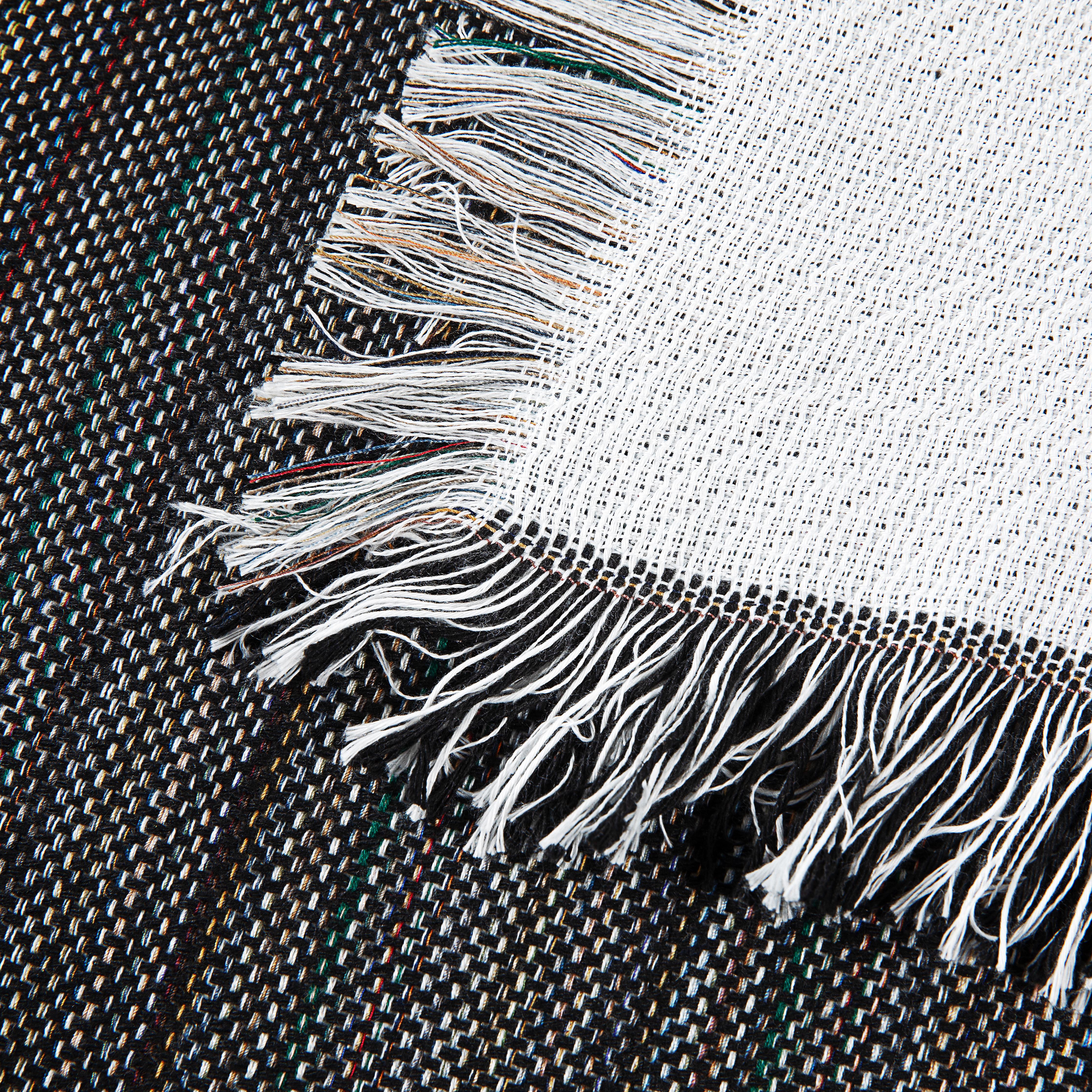
Waffle Kitchen Towels: Print & Embroidery Guide
A waffle towel can look perfect on the shelf and still be the wrong blank for a custom order.
That mismatch usually shows up after the work is already done. The print settles unevenly into the texture. The embroidery pulls the surface out of shape. A towel that felt soft in hand starts looking cheap after washing, and your customer does not blame the towel. They blame your shop.
That is why waffle kitchen towels deserve more scrutiny than most blanks get. Consumer articles usually talk about softness, absorbency, and kitchen styling. They rarely address the part that matters most to a customization business: how the waffle surface changes print behavior, stitch behavior, and the finished product’s perceived value. That gap is real, and it matters for anyone selling custom gifts, branded sets, or small-batch merchandise.
Why Some Waffle Towels Fail Your Print Business
Cheap waffle towels fail in predictable ways.
They are often sold on appearance alone. The grid texture looks upscale, the color palette looks modern, and the cost looks attractive enough to protect margin. Then the job hits production and the hidden problems start surfacing.
A weak blank can create trouble in several places at once:
- In the press: the recessed texture can leave parts of a design looking inconsistent.
- At the machine: loose construction can shift under embroidery and throw off registration.
- After delivery: thin edges and unstable yarns can make the towel feel worn far too quickly.
The bigger issue is that most published waffle towel content does not help printers or embroiderers evaluate these risks. As noted on Lulu and Georgia’s product page for waffle kitchen towels, current content largely centers on material composition and absorbency, while leaving the impact of waffle construction on sublimation, embroidery, and direct-to-garment printing unaddressed.
That missing information leads many new shop owners to assume all waffle kitchen towels are close enough. They are not.
A towel can be excellent for drying dishes and still be a poor choice for custom work. Texture depth, fiber content, fabric density, edge finishing, and consistency from lot to lot all affect whether a towel becomes a profitable product or a source of remakes.
Practical rule: If a blank only sounds good in retail language like “soft,” “stylish,” or “highly absorbent,” you still do not know whether it is fit for production.
The shops that do well with waffle kitchen towels usually treat them like a specialty blank, not a commodity. That mindset saves time, protects artwork, and reduces the kind of quality issues that eat margin.
The Science Behind the Waffle Weave
Waffle kitchen towels work because the weave is not flat.
The easiest way to think about it is a sponge. A sponge works because its surface has pockets and channels that grab water instead of letting it skate across the top. Waffle weave uses the same basic advantage. The surface is structured, not smooth.

What the texture is doing
Waffle weave was engineered to maximize absorbency through small fabric pockets that increase surface area by up to 30% compared to flat cotton weaves, and that same design helps the towels dry 40 to 50% faster than traditional terry cloth towels under standard humidity conditions, according to RHB Hawaii’s discussion of waffle weave kitchen towels versus cotton.
Those pockets matter for more than kitchen use. They affect how moisture moves through the towel, how heat contacts the fabric, and how a decorated surface looks after customization.
A flat towel gives you a fairly even plane. A waffle towel gives you peaks and valleys. That can be a benefit or a complication depending on the method you use.
Why the first wash matters
Many waffle towels develop their character after washing. The weave puckers and lifts, which makes the pattern more pronounced.
That change is one reason a towel can feel underwhelming out of the carton and improve after prep. It is also why testing an undecorated sample before committing to a run is good shop practice. The surface you decorate is not always the same surface your customer uses after laundering.
How to read the structure like a decorator
For a print shop, the key is not just “Is it absorbent?” The better question is “How deep is the texture, and how stable is the fabric?”
A shallow waffle tends to present a cleaner surface for decoration. A deeper waffle usually feels more dimensional and more premium in hand, but it can demand more care during printing and embroidery.
Look at these features together:
- Pocket depth: deeper texture can interrupt fine detail.
- Surface uniformity: even weave gives more predictable results.
- Recovery after handling: a stable towel springs back instead of stretching out.
- Edge construction: a good hem keeps the towel looking finished after repeat use.
Key takeaway: Waffle texture is not just a visual style. It is a working surface, and that surface changes how your design lands.
When a shop owner understands that, product decisions get easier. You stop buying by photos alone and start buying by structure.
Decoding Waffle Towel Quality Materials and GSM
Not all waffle kitchen towels are built from the same ingredients, and that matters long before you apply a design.
A spec sheet tells you how a towel is likely to behave in production. Material affects absorbency, print compatibility, and hand feel. GSM, or grams per square meter, tells you how much fabric is packed into the towel. In plain terms, it is one of the quickest ways to judge whether a towel will feel skimpy, balanced, or substantial.

Material choice changes the business outcome
Cotton remains the easiest place to start for many custom towel lines because buyers already associate it with softness, utility, and giftability. It also feels familiar in the kitchen category, which helps a finished product make sense to the customer.
Microfiber and synthetic-heavy options can have their place, especially when fast drying matters. But the material that looks efficient on paper can still disappoint if it feels too slick, too light, or too far removed from what a customer expects in a kitchen towel.
If you want a strong primer on fabric density before comparing products, this guide on what fabric GSM means is useful background.
Why structure and density work together
The weave itself does part of the performance work. According to Coyuchi’s organic waffle kitchen towel product information, the recessed pockets in waffle structure trap and hold liquid via capillary action, allowing towels to absorb up to 20 to 30% more moisture than plain weaves. The same source notes that quality waffle towels maintain shape and absorbency after 100+ washes, with firmly stitched edges resisting fraying.
Those points are important for a seller because absorbency and durability are not just consumer benefits. They support premium positioning. A towel that still looks good and works well after repeat laundering earns repeat buyers and lowers complaint risk.
What different GSM levels usually mean in practice
GSM is not a quality guarantee by itself, but it is a strong clue.
| GSM feel | What it often means in the shop | Watch for |
|---|---|---|
| Lighter waffle | Easier handling and a leaner cost basis | Can feel less substantial, may show more distortion |
| Midweight waffle | Often the best balance for gift and branded kitchen sets | Check consistency between batches |
| Heavier waffle | Strong hand feel and stronger perceived value | Deep texture can complicate detailed decoration |
A very light towel can save money up front and cost more later if it looks flat, shifts in production, or leaves the customer underwhelmed. A very heavy towel can feel impressive, but the more dramatic the texture, the more carefully you need to design for it.
What I would inspect before ordering in volume
When I review waffle kitchen towels for production use, I focus less on marketing words and more on physical reliability.
- Edge finishing: double-turned hems and clean stitching matter.
- Surface consistency: the waffle pattern should look even across the body.
- Recovery: after pulling the fabric lightly on the bias, it should not stay distorted.
- Lint behavior: some towels look fine until they start shedding onto dark garments or glassware.
- Hand feel after washing: some blanks improve after prep, others collapse.
Good buying habit: Wash and decorate a sample before committing. A towel that photographs well in a listing can behave very differently after the weave opens up.
For small businesses, that extra step is not overkill. It is one of the cheapest forms of quality control you can run.
Printing and Embroidery on Waffle Weave Surfaces
Waffle kitchen towels reward the right method and punish shortcuts.
The texture gives a finished product character. It also creates an uneven surface that can expose weak settings, poor artwork choices, and low-grade blanks. If you treat waffle weave like a flat tea towel, results become inconsistent fast.

Sublimation on waffle towels
Sublimation is where many new sellers get tripped up, because a waffle surface does not present one single contact plane.
The raised areas receive pressure first. The recessed parts can receive less direct contact, which may leave detailed areas looking softer or less complete than expected. That is not automatically a defect. It is often the nature of printing onto texture.
For customization work, 100% premium Turkish cotton at 400 GSM offers an optimal balance, and that density is cited as ideal for sublimation, yielding 95%+ colorfastness post-400°F transfers without bleed, according to Turkish Towel Company’s waffle kitchen towel product details.
That does not mean every design belongs on every waffle towel. Broad shapes, bold typography, simple monograms, and less intricate artwork usually perform better than tiny details that rely on a perfectly flat surface.
A few practical rules help:
- Use bolder artwork: fine lines can break visually across the texture.
- Test pressure carefully: too little pressure may miss valleys, too much can flatten the hand.
- Pre-press consistently: moisture and wrinkles become more noticeable on textured fabric.
- Choose your blank for the method: if your business does a lot of transfer work, compare options with a clear understanding of sublimation vs heat transfer.
Embroidery behaves differently
Embroidery often suits waffle kitchen towels extremely well because thread can complement the dimensional surface instead of fighting it.
That said, the towel still needs structure. A loose weave can shift under the hoop. A deep pocket can make small lettering harder to read. Dense fills can sink unevenly or create puckering if the towel does not have enough body.
What tends to work best:
- Smaller left-corner motifs rather than oversized center designs.
- Clean satin borders and simple linework instead of heavy fill-heavy logos.
- Support materials matched to the towel, especially when the weave is soft and springy.
If the design needs detail, I would rather enlarge it slightly than force a tiny mark into an unstable grid. That choice usually improves legibility and lowers stitch-related distortion.
Embroidery tip: Waffle texture already gives visual interest. Let the towel do part of the design work instead of covering the whole face with stitching.
A useful demonstration of textured towel decoration appears below.
Screen printing and similar methods
Screen printing on waffle kitchen towels can produce striking results, especially with bold graphics and simple placements. But the same topography issue applies. Ink sits on peaks first. The deeper the recess, the more your design must tolerate variation.
That usually makes waffle towels a better fit for rustic branding, heritage-style logos, kitchen sayings, and straightforward iconography than for highly technical artwork.
A few trade-offs are worth keeping in mind:
| Method | Strong fit on waffle weave | Common problem |
|---|---|---|
| Sublimation | Bold art, gift items, branded kitchen sets | Inconsistent appearance in deeper recesses |
| Embroidery | Monograms, boutique branding, corner placement | Puckering or lost detail on unstable towels |
| Screen printing | Simple graphics, bold marks, rustic looks | Uneven deposit across textured surface |
What works best commercially
The shops that succeed with waffle kitchen towels usually do three things well.
They keep the artwork appropriate to the surface. They choose blanks with enough stability to survive production. And they sell the finished product as a premium textured item, not as a substitute for a flat towel.
That last point matters. A waffle towel should look intentionally textured, not imperfect. If your mockups and product photography communicate that clearly, buyers read the finished result as character, not flaw.
Your Checklist for Selecting the Right Waffle Blanks
A good waffle towel should earn its place in your catalog.
That means it has to survive decoration, justify its price, and still feel like a product your customer would happily buy again. This checklist keeps the decision grounded in business reality instead of wholesale guesswork.
Start with method, not color
Most mistakes happen because sellers shop by aesthetics first.
The safer order is method, then material, then towel construction. If the towel does not suit the decoration style, the color range and low unit cost do not matter much.
Use this sequence when evaluating blanks:
- Match the fiber to the decoration method. A towel that feels nice but resists your process is a poor buy.
- Check the depth of the waffle. Deep texture can look upscale, but it may not suit detailed decoration.
- Inspect the edge finish. Clean hems support a cleaner final presentation.
- Consider where the artwork will live. Corner embroidery and center prints ask different things from the blank.
- Buy for consistency. A towel that changes noticeably between shipments creates production headaches.
For embroidery-focused sellers, this guide to blank towels for embroidery is a helpful companion when comparing options.
The comparison that matters
Below is the quick-reference version I would use when deciding whether a towel belongs in a custom line.
| Towel Specification | Best For | Key Considerations |
|---|---|---|
| Shallow waffle texture | Cleaner prints and finer artwork | Less dramatic hand feel |
| Deeper waffle texture | Premium gift sets and absorbency-focused products | Can interrupt detailed prints |
| Midweight construction | Balanced retail feel and easier production | Verify post-wash stability |
| Heavier construction | Boutique presentation and embroidery-friendly body | May be too textured for intricate transfer art |
| Strong hem finishing | Products sold as keepsakes or repeat-use kitchen goods | Poor hems make even good decoration look cheap |
| Soft, stable cotton feel | Premium kitchen and gifting categories | Needs real-world wash testing before scale |
Questions worth asking a supplier
You do not need a long sourcing questionnaire. You do need direct answers.
Ask things like:
- Has this towel been tested after washing?
- Does the texture become deeper after laundering?
- Are the hems consistent across production lots?
- Is this blank better for print, embroidery, or general retail use?
- Can I sample before ordering larger quantities?
A vague answer usually tells you enough.
Profit filter: If a towel saves a little on purchase price but creates reprints, slower production, or disappointing customer photos, it is not the cheaper option.
A quality-first mindset protects margin
The lowest-cost waffle towel can look appealing when you are building a product line. But low-cost blanks often shift hidden expenses into labor, spoilage, and customer service.
One better towel can simplify production enough to more than justify the higher buy-in. It presses more predictably. It photographs better. It holds shape longer. It feels gift-worthy without extra explanation.
That is what you want from a blank. Not just affordability, but reliability.
Post-Customization Care to Ensure Longevity
The sale is not finished when the decoration is done.
Custom waffle kitchen towels perform better when the end customer knows how to wash and use them properly. If you include clear care guidance with every order, you protect the finished piece and strengthen trust in your brand.
The care instructions worth passing along
Start with the first wash. Waffle towels often develop more of their final texture after laundering, so customers should not be surprised if the weave looks more puckered and dimensional after that initial cycle.
For ongoing care, keep the instructions simple:
- Wash gently with mild detergent.
- Use cold or warm water rather than harsh high-heat cycles.
- Tumble dry low when machine drying.
- Skip bleach unless the specific towel and decoration method clearly allow it.
These habits support both the towel and the customization.
What customers should avoid
Two mistakes show up often.
The first is fabric softener. It can coat fibers and make absorbent towels feel less effective over time. The second is aggressive wash chemistry, which can shorten the life of both the textile and the decorated area.
For embroidered towels, I also recommend telling buyers not to overload the washer with rough items that can pull at stitching. For printed towels, low-heat drying is the safer choice when preserving finish quality.
Seller advantage: A short printed care card makes your shop look more established, and it reduces the chance that a customer blames your work for damage caused by rough laundering.
Keep the message customer-friendly
Do not hand buyers a technical paragraph. Give them a few clean instructions they can follow.
A simple insert can say that the towel may gain more texture after the first wash, should be washed gently, and should be dried on low heat. That is enough to set expectations and help the product age well.
When the towel still looks good months later, your customer remembers who sold it.
Wholesale Sourcing and Branding Your Towels
A waffle towel is not just a blank. It is a branded product waiting for a point of view.
When you source wholesale, the central question is not only what the towel costs. The better question is what kind of product it lets you build. A stronger towel gives you more room to position your work as a gift item, boutique houseware, or premium branded merchandise.

Why wholesale quality affects brand perception
Customers can tell when a towel feels thin, limp, or unfinished.
That judgment happens before they analyze your print or stitching. The hand feel sets expectations. If the base product feels elevated, your customization feels more credible. If the towel feels disposable, even good decoration struggles to carry the product.
This is especially true for:
- Gift bundles
- Real estate closing gifts
- Housewarming sets
- Seasonal kitchen collections
- Boutique logo merchandise
A towel with cleaner hems, better structure, and a more polished hand gives you more pricing power because the product feels complete.
Branding details that lift the final product
Decoration is only one part of branding. Presentation matters too.
Consider adding touches like:
- Custom hang tags for care instructions and brand story
- Woven labels when the placement fits the towel style
- Belly bands or paper wraps for gift-ready presentation
- Coordinated set packaging for kitchen bundles
These details can turn a simple custom towel into a retail-ready item without changing the decoration itself.
Build a line, not a one-off product
The strongest wholesale strategy is usually a small, focused assortment.
Instead of stocking many mediocre waffle kitchen towels, choose a few dependable options and build clear use cases around them. One towel may suit embroidery-led monogram gifts. Another may work better for printed sets with bold kitchen graphics. A third may fill the role of a premium neutral blank for boutique branding.
That approach makes purchasing simpler and your storefront easier to understand. It also helps you photograph, price, and package products consistently.
The shops that grow with textiles tend to do this well. They stop chasing the cheapest possible blank and start building around materials that support their reputation.
From Blank to Brilliant with the Right Foundation
Waffle kitchen towels can be excellent custom products when the blank matches the method.
The weave gives them texture, absorbency, and a premium visual identity. That same texture also changes how printing and embroidery behave. Shops that understand that difference make better sourcing decisions, choose stronger artwork, and avoid a lot of preventable waste.
Quality matters more than the lowest price because the towel carries your work, your brand, and your customer’s expectations all at once. A stronger blank is easier to decorate, easier to sell, and easier to stand behind after the order ships.
If you treat waffle towels as a specialty textile instead of a generic kitchen item, they become far more useful to your business. They can support gift lines, branded bundles, monogram sets, and premium small-batch merchandise without feeling ordinary.
The foundation decides the finish. Choose well, test thoroughly, and let the towel help the design instead of fighting it.
If you want blanks that are selected with customization in mind, explore Spark Blank Textiles. Their focus on premium blank textiles gives makers, print shops, and embroidery businesses a stronger starting point for products that need to look good, feel right, and hold up after the work is done.