How to Start an Embroidery Business: A Practical Guide
Before you even thread a needle, the first real work of starting an embroidery business happens. It’s all about laying the groundwork: zeroing in on a profitable niche, doing some smart market research to make sure your idea has legs, and then sketching out a basic business plan to keep you on track. Get this part right, and you're building on solid ground.
Finding Your Footing in the Embroidery World
The buzz around personalized, high-quality embroidered goods isn't just a passing fad. It's a real, thriving market. This is a golden opportunity for creative entrepreneurs to build a business they love. But here's the secret: success isn’t just about having a great embroidery machine. It’s about knowing exactly who you’re stitching for and why they should pick you over anyone else.

This is where finding your "niche" becomes your most powerful tool. A niche is just a term for your specific corner of the market. Instead of trying to be everything to everyone, you focus on a dedicated group of people who are looking for exactly what you make.
Identify Your Profitable Niche
If you try to sell generic embroidered products, you’ll just get lost in the sea of online shops. A well-defined niche, however, makes you stand out. It helps you attract customers who are already searching for what you offer, and it shapes everything from your product choices and designs to your branding and marketing.
Not sure where to start? Think about who you could serve. Here are a few ideas to get the wheels turning:
- The Custom Gift Market: This is a huge one. Think Etsy sellers and makers creating one-of-a-kind items like monogrammed baby blankets, personalized wedding towels, or even custom pet portraits on cozy sherpa throws.
- Local Community and Teams: Every town has them. Local sports teams need embroidered hats, school clubs want branded hoodies, and small businesses are always looking for professional-looking uniforms.
- Corporate and B2B Clients: This is the world of high-volume orders. You could be providing branded merchandise for companies, like logos on premium golf towels for corporate events or custom picnic blankets for employee appreciation gifts.
- Boutique Merchandise Creators: You could become the go-to partner for small apparel brands or designers who need a reliable source for high-quality embroidered details on their product lines.
Expert Tip: Don't try to be the embroidery solution for the entire world. Pick one or two of these customer types and commit to becoming the absolute best at what they need. That kind of focus is what builds a strong, memorable brand people trust.
Performing Practical Market Research
Once you have a niche in mind, it's time to see if it’s a winner. Market research sounds intimidating, but it's really just about answering a few simple questions to make sure people will actually buy what you want to sell.
Start by hanging out where your ideal customers are. If you're eyeing the wedding gift market, your first stops should be Etsy and Pinterest. Search for terms like "personalized wedding gift" or "embroidered couples blanket." See what’s selling well, but more importantly, read the reviews. What do people love? What are they complaining about? Take notes on popular styles and pricing, too.
The numbers absolutely back this up. The global embroidery market is expected to grow from USD 1.63 billion in 2025 to a whopping USD 2.95 billion by 2035. Plus, 54% of consumers say they prefer personalized embroidered fashion. This isn't just a small trend; it's a massive and growing appetite for the exact kind of unique products you can create.
Defining Your Unique Selling Proposition (USP)
Your research will naturally show you who your competitors are. The goal here isn't to copy them—it's to figure out your unique angle. What makes you different? This is your Unique Selling Proposition, or USP.
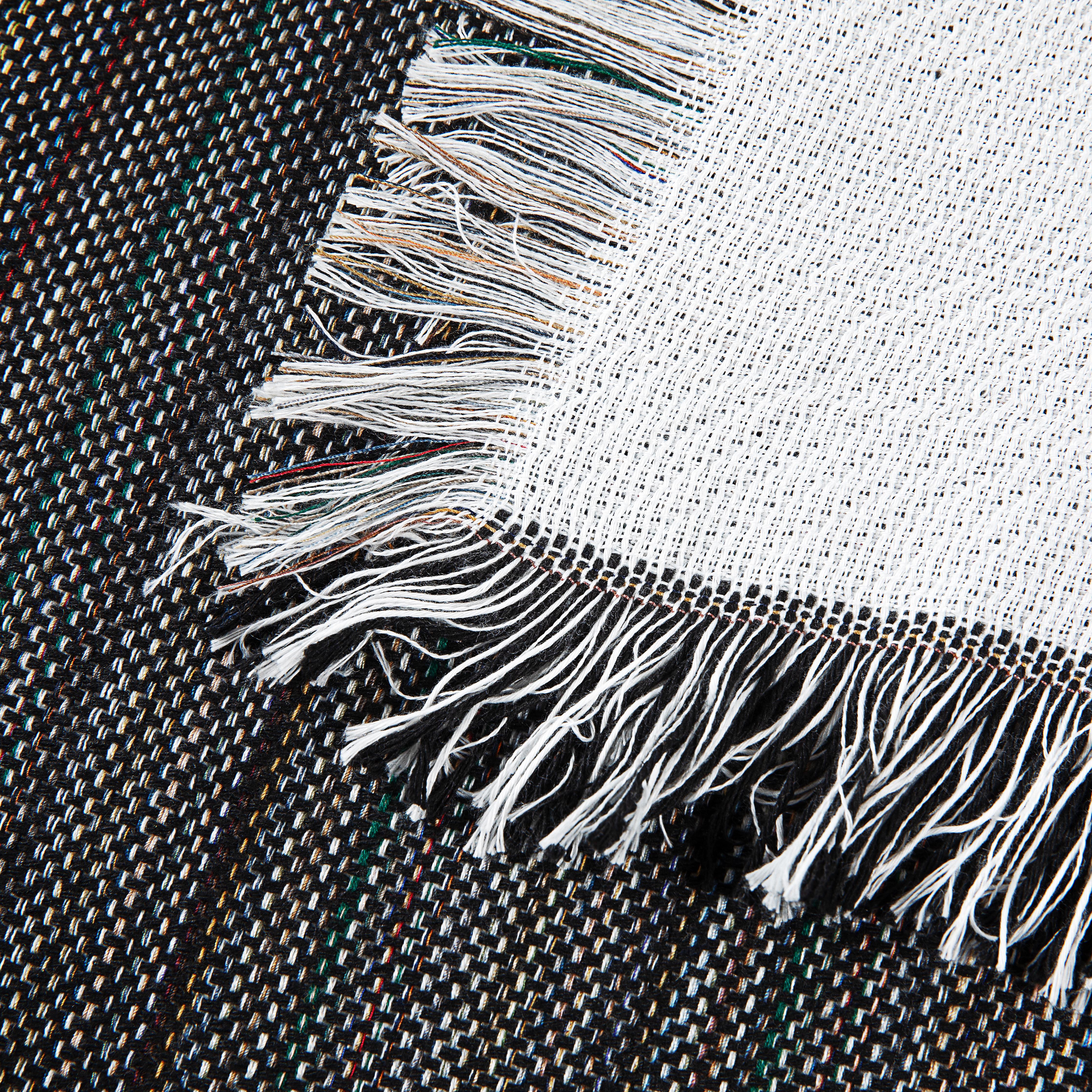
Maybe you'll compete on quality. You could decide to only use premium textiles, setting yourself apart from competitors using cheaper, lower-grade blanks. As textile specialists, we know from experience that the quality of the blank—whether it’s a woven tapestry or a plush fleece blanket—has a massive impact on the final embroidered product. Your USP could be your unwavering commitment to sourcing the best materials.
Or maybe your angle is different. It could be super-fast turnaround times for local businesses or a highly specialized design style, like minimalist line art or intricate floral patterns. You can also explore how different customization methods stack up to find your edge; our guide comparing sublimation and heat transfer offers some great context on this. Whatever you choose, this differentiator becomes the heart of your brand and your marketing message.
Selecting Your Machine and Sourcing Quality Supplies
Let's get into the heart of your operation. Your brilliant designs and niche ideas are just concepts until you have the right tools to bring them to life. The equipment and materials you choose aren't just expenses; they are the foundation of your business, directly impacting the quality of your work, your efficiency, and ultimately, your brand's reputation.

The two biggest investments staring you in the face are your embroidery machine and your inventory of blank goods. Getting these right from the very beginning will save you a world of headaches and help you produce work you’re genuinely proud to put your name on.
Choosing The Right Embroidery Machine
This machine is going to be your workhorse. As you start looking around, you'll quickly see the market is split into two main camps: single-needle and multi-needle machines. Knowing the difference is crucial for picking the right partner for your business goals.
Single-needle machines are what most people start with. They look a lot like a home sewing machine and, as the name implies, have one needle. This means you have to stop and manually change the thread for every single color in a design. They're a fantastic, lower-cost entry point if you're just starting out or focusing on simple, single-color work like monograms.
Multi-needle machines are the commercial powerhouses. These machines have anywhere from four to sixteen needles, each ready to go with its own spool of thread. This is a game-changer. The machine automatically switches between colors, which dramatically speeds up production on complex, multi-colored logos and artwork.
Expert Tip: We know the price tag on a multi-needle machine can be intimidating. But think about your time as money. If a design has six colors, a single-needle machine forces you to stop and re-thread six times. A multi-needle does it all in one go, freeing you up to prep the next order or manage other parts of your business. Time is your most valuable asset here.
When you're comparing different models, keep an eye on these key features:
- Maximum Hoop Size: This dictates the largest design you can stitch in one go. A bigger hoop means you can take on jobs like large back pieces on jackets or bold designs on blankets.
- Stitching Speed (SPM): This is your "stitches per minute." Commercial models run much faster, which means you can produce more in less time.
- Connectivity: Look for machines with USB or Wi-Fi. It's so much easier to transfer your design files this way than messing with outdated memory cards.
Quality Blanks Are Not a "Nice-To-Have"—They're a "Must-Have"
We can't emphasize this enough. You can own the best machine in the world, but if you're stitching on a flimsy, cheap blank, your final product will look and feel cheap. This is the single biggest mistake we see new embroidery business owners make—they try to save a few bucks on their core materials, and it backfires every time.
As textile specialists, this is our core belief: the quality of the blank is just as important as the quality of the stitch. A premium textile gives you a stable, durable foundation that prevents common embroidery nightmares like puckering, pulling, and fabric distortion.
To help you get started, here’s a quick rundown of some common blank textiles and how they behave under the needle.
Choosing The Right Blank Textiles For Embroidery
| Blank Textile Type | Best For | Key Characteristics (GSM/Material) | Embroidery Tip |
|---|---|---|---|
| Cotton Fleece | Sweatshirts, Hoodies, Joggers | 280-350 GSM, Cotton/Poly Blends | A medium cut-away stabilizer works perfectly. The fleece pile helps hide the stabilizer's outline. |
| Sherpa Fleece | Cozy Blankets, Quarter-Zips | 400+ GSM, 100% Polyester | Use a water-soluble topping (solvy) to prevent stitches from sinking into the deep pile. |
| Heavyweight Cotton | Premium T-Shirts, Totes | 180-220 GSM, 100% Cotton | A tear-away stabilizer is often enough. The tight weave provides a smooth, stable surface. |
| Twill/Canvas | Caps, Hats, Workwear | 250-400+ GSM, Cotton/Blends | Needs a very firm cut-away stabilizer. For caps, you'll need a specialized cap hoop and driver. |
Choosing the right blank isn't just about preventing technical problems; it's about perceived value. A thick, plush sherpa blanket (often around 430 GSM) feels luxurious and supports intricate stitching far better than a basic throw. Starting with a high-quality canvas allows you to command a premium price for your work. And if you're curious about the hardware side, our guide on a starter kit for a t-shirt printing machine has some great insights that apply to any custom apparel business.
Stocking Your Supply Closet
Besides the big-ticket items, you'll need a handful of other essentials to keep production running smoothly. Finding reliable suppliers for these is key to maintaining consistency and avoiding that dreaded "out of stock" panic.
Here’s your initial shopping list:
- Embroidery Thread: Don't go for the cheapest option. Grab a good assortment of high-quality polyester or rayon threads. Start with the basics—black, white, and primary colors—and then add any specific shades that fit your brand.
- Stabilizer (Backing): This is non-negotiable. It supports the fabric during stitching to stop it from puckering. You'll need different types for different jobs—cut-away, tear-away, and water-soluble are the main ones to have on hand.
- Hoops: Your machine will come with a few, but you'll likely need to buy specialty hoops down the line for things like hats or tiny baby onesies.
- Digitizing Software: This is the software that turns a standard image file (like a JPEG) into a stitch file (.DST, .PES) that your machine can read. You can outsource digitizing at first, but learning to do it yourself gives you way more creative control and boosts your profit margins.
Making It Official: Business Setup and Pricing for Profit
You’ve got your niche figured out and your machine is ready to hum. Now it's time to get down to business—literally. This is the stage where your creative spark becomes a real, legitimate operation. Taking care of the legal and financial nuts and bolts now will save you massive headaches down the road.
First things first, you need a business structure. This sounds complicated, but for most people starting out, it really boils down to two main options.
-
Sole Proprietorship: This is the path of least resistance. You are the business, and the business is you. It's incredibly simple to set up, but there's a catch: your personal assets aren't legally separate from your business. It's a great starting point, but you have to be comfortable with that risk.
-
Limited Liability Company (LLC): An LLC is exactly what it sounds like. It creates a formal wall between your personal life (your house, your car) and your business. If the business ever runs into trouble, your personal assets are protected. It takes a bit more paperwork, but that peace of mind is why so many serious entrepreneurs choose this route.
After picking a structure, you'll need to register your business name and probably grab a local business license. A quick search on your city or county's website will tell you exactly what you need to do to become a recognized, official business.
From Stitches to Spreadsheets
If we can give you one piece of financial advice, it’s this: open a dedicated business bank account from day one. Do not skip this step.
Mixing your personal and business money is a fast track to an accounting nightmare. A separate account makes it incredibly easy to see what's coming in and what's going out. When tax season rolls around, you’ll thank yourself. Plus, it just looks more professional when you're dealing with suppliers and clients.
The Art and Science of Pricing
Alright, let's talk about the big one: how much should you actually charge? Pricing can feel like guesswork, but it’s more of a science than an art. Nailing your pricing strategy is the difference between a fun hobby and a profitable business.
Your final price has to cover a lot more than just a spool of thread and a blank sweatshirt. It needs to account for every single thing that goes into creating that final product.
You're not just selling a stitched item; you're selling your time, your skill, and a custom-made product. Price accordingly.
Let's break down a simple pricing formula. Start with your direct costs:
- Cost of the Blank: What did you pay for that premium fleece blanket or golf towel?
- Cost of Supplies: Think thread, stabilizer, needles, bobbins, and even your mailers and boxes.
- Your Labor: Pay yourself! Set a fair hourly wage for your time. This includes hooping, running the machine, trimming, and packing.
Next, you need to account for the complexity of the design itself. A very common way to do this in the industry is to charge by the stitch count. The going rate is typically $1.00 to $1.50 per 1,000 stitches, but this can vary based on your local market and how detailed the work is. A simple text design is one thing; a dense, multi-colored logo with 20,000 stitches is another beast entirely and needs to be priced that way.
Finally, always remember perceived value. You aren't just a machine operator. You’re creating something special and unique. When you stitch a beautiful monogram onto a high-quality sherpa blanket from a supplier like Spark Blank Textiles, you've created a premium, personalized gift. People will pay a premium for that. Your price shouldn't just reflect your costs—it should reflect the final product's true value.
Building an Efficient Production Workflow
A beautiful design and a premium blank are just the starting point. The real magic—and the key to a profitable business—happens between hitting "confirm order" and getting that package out the door. An efficient, repeatable production workflow is what separates a stressful hobby from a scalable business that keeps customers coming back.
Think of this process as your shop's heartbeat. It ensures every single order is handled with the same level of care, dramatically reduces mistakes, and allows you to produce high-quality work consistently, even when things get hectic.
From Order Confirmation to First Stitch
The moment an order lands in your inbox, your workflow should kick into gear. The first, and arguably most critical, step is design digitization. This is where you convert a customer's artwork into a stitch file (like a .PES or .DST file) that your embroidery machine can actually read.
You can definitely outsource this to a professional digitizer, but we highly recommend learning to do it yourself. It gives you far more control over the final result and boosts your profit margins. Good digitizing software is all about telling the machine exactly where to place each stitch, what stitch type to use, and when to change colors. Trust us, a poorly digitized file is almost always the root cause of issues like puckering and shoddy detail, no matter how fancy your machine is.
Once the design is ready, it's time to prep your materials. This usually involves:
- Selecting the right stabilizer: This is the non-negotiable backing that supports the fabric during stitching. A crisp woven blanket will need a totally different stabilizer than a stretchy fleece.
- Choosing the correct hoop: Your hoop needs to be large enough for the design, but just small enough to hold the fabric taut without stretching or distorting it.
- Precise placement: Measure twice, stitch once! We can't stress this enough. Use placement rulers or templates to make sure the design is perfectly centered and straight every single time.
A great workflow isn't about rushing; it's about being methodical. Taking an extra 30 seconds to double-check hoop placement can save you from ruining a $20 premium blank and losing an hour of your time.
Mastering Tricky Materials and Quality Control
Not all textiles are created equal, and knowing how to handle them is what sets the pros apart. Hooping a standard cotton t-shirt is one thing, but what about a thick, plush sherpa blanket or a textured woven tapestry? These premium items demand a more delicate touch.
For anything with a deep pile, like sherpa, a water-soluble topping is your best friend. This is a thin, clear film you place on top of the fabric before stitching. It brilliantly prevents the tiny stitches from sinking down and getting lost in the plush fibers, leaving you with a crisp, clean design that sits proudly on the surface.
And quality control? It shouldn't just be a final once-over. It needs to be woven into every step of your process.
- During Stitching: Keep an eye (and an ear) on your machine. Listen for any unusual sounds and watch for signs of improper thread tension, like looping on top or the bobbin thread peeking through.
- Post-Stitching: Once the item is off the machine, give it a close inspection. Trim any jump stitches neatly, remove the stabilizer backing carefully, and check for any puckering or pulling.
This obsessive attention to detail is what justifies your premium pricing and builds a rock-solid reputation. And if you’re working in a dedicated space, a comfortable setup can make all the difference. Check out our guide on finding the perfect heat press stand—many of the same ergonomic principles apply to creating a great embroidery station.
Finishing and Packaging: The Final Touch
Your job isn’t done when the last stitch is in place. How you present your work is a huge part of the customer experience. Thoughtful packaging elevates your product from just a custom item to a professionally branded gift they'll be excited to open.
Think about including small touches that make a big impact:
- Custom Hang Tags: A simple branded tag instantly adds a retail-quality feel.
- Care Instruction Cards: Tell your customers how to look after their embroidered item. It’s helpful and shows you care about the longevity of your work.
- Thank You Notes: A quick, handwritten note adds a personal touch that big-box retailers simply can't replicate.
This final step reinforces the value of your craft and helps turn a one-time buyer into a loyal fan. This growing demand for high-quality, professional-looking custom goods is something we're seeing across the board. The embroidery machine market is projected to hit USD 5.71 billion in 2024 and balloon to USD 7.88 billion by 2034, with North America making up over a third of that market. This shows a massive, receptive audience ready for the premium products you can create. You can learn more about the embroidery market's impressive growth and see the opportunity for yourself.
Marketing Your Embroidery and Winning Customers
Your embroidery is pristine, your workflow is smooth, and you’re using top-notch blanks. But even the most beautiful work won't sell itself. Now comes the fun part: getting your creations in front of the right people and turning them into loyal customers. Think of your marketing plan as the engine that will drive your embroidery business forward.
Crafting a marketing strategy isn't about shouting into the void. It’s about making real connections with your specific audience right where they already hang out. This means building a presence on the right platforms, showcasing your work with stunning photos, and telling a brand story that people actually care about.
Your streamlined production process is actually a huge selling point. It’s how you can confidently promise and deliver consistent, high-quality results every single time.

Where to Sell Your Products: Choosing Your Channels
So, where will you actually sell your products? You don’t have to be everywhere at once. The key is to pick the one or two channels that make the most sense for your niche and your goals right now.
- Etsy: This is the go-to for so many makers, and for good reason. It has a massive, built-in audience actively searching for unique, personalized gifts. The catch? It's crowded. Your branding and photography have to be on point to stand out from the noise.
- Your Own Store (Shopify, etc.): Running your own website on a platform like Shopify gives you total control over your brand, customer experience, and pricing—with no marketplace fees chipping away at your profit. It’s more work to get traffic, but building your own site is the single best long-term asset for a serious brand.
- Local Markets and Craft Fairs: Never underestimate the power of selling in person. Markets let customers see and feel the incredible quality of your work, which is a huge advantage when you’re using premium textiles like plush sherpa or woven blankets. It’s also an amazing way to get instant feedback and build a local following.
- Local Business Collaborations (B2B): Start reaching out to local businesses. Think real estate agents, breweries, or corporate offices. They almost always need branded apparel or high-quality client gifts (like embroidered golf towels or picnic blankets). Landing just one B2B client can lead to consistent, high-volume orders that provide a stable foundation for your business.
Your Photos Are Your Storefront
In e-commerce, your photos do all the talking. Poor, dimly lit pictures will sink your business faster than anything else, no matter how incredible your embroidery is. You have to capture the rich texture and intricate detail that makes your work special.
You don't need a fancy studio to do this. A modern smartphone, good natural light from a window, and a clean, simple background are often all it takes to get killer shots.
Expert Tip: Focus on capturing the texture. Get those close-up shots that show the individual stitches and the soft pile of a fleece blanket. Then, shoot lifestyle photos that show the product being used—a baby snuggled in a monogrammed blanket or a couple enjoying a custom picnic. This helps customers imagine the product in their own lives, which is a powerful sales tool.
Digital Marketing That Actually Gets Results
Once your shop is live, you need to drive traffic to it. For a visual business like embroidery, social media is an absolute goldmine. Instagram and TikTok should be your best friends.
Focus on creating engaging video content. Short-form video is perfect for showing off your process.
- "Behind-the-scenes" clips
- Time-lapses of your machine stitching a design
- "Pack an order with me" videos
These create a personal connection and show customers the care and craft that goes into every single piece.
And don't forget hashtags! Use them to get discovered, but get specific. Don't just use generic tags like #embroidery. Dig deeper into your niche:
#personalizedbabygift#customdogportrait#monogrammedblanket#localbusinessmerch
The embroidery market is projected to explode, growing from USD 4.06 billion in 2024 to USD 7.41 billion by 2033. A big reason for this is technology making it easier than ever to produce high-margin, bespoke products. If you want to stay competitive, it’s smart to keep up with these trends. You can learn more about the growth drivers in the embroidery market and see how tech is shaping the industry.
Finally, think about collaborating. Partnering with other makers or influencers in your niche can be a game-changer. Team up with a local boutique or a "mommy blogger" for a giveaway to introduce your brand to a whole new, highly relevant audience. These kinds of authentic partnerships build trust and generate genuine excitement for what you do, creating a foundation of loyal customers who will support you for years to come.
Common Questions About Starting an Embroidery Business
As you start to map out your new embroidery venture, a few big questions are probably already swirling around in your head. It’s completely normal. Getting straight answers to these common queries is one of the best ways to build the confidence you need to take that next leap.
Let’s tackle some of the most frequent questions we hear from entrepreneurs who are right where you are now.
How Much Does It Really Cost to Start?
Honestly, the initial investment can swing wildly. You could technically get your foot in the door for around $1,000 if you start with a high-quality, single-needle home machine. On the other end of the spectrum, a commercial multi-needle machine can easily run you upwards of $10,000.
But the machine is just the beginning. Don't forget to budget for the other essentials:
- The embroidery machine itself (the biggest ticket item).
- Digitizing software to turn your ideas into stitch files.
- A solid starter kit of threads, stabilizers, and needles.
- An initial inventory of quality blank products for practice and portfolio pieces.
Our advice? Start smart. A reliable single-needle machine is a fantastic workhorse for a new business. Focus on sourcing great blanks as you need them, which helps you manage costs while you build up your client list and, more importantly, your cash flow.
What's the Most Profitable Niche in Embroidery?
Profitability isn't just about selling a lot of items; it’s about finding a niche where customization has a high perceived value and customers come back for more. You're looking for an area where an embroidered touch feels special and justifies a premium price.
Right now, a few markets are particularly strong:
- Personalized Baby Gifts: It's a classic for a reason. Monogrammed blankets, custom birth announcement onesies, and embroidered plush toys are always in demand.
- Custom Pet Portraits: This niche has exploded. People are passionate about their pets and will gladly pay to have their furry friend stitched onto a sweatshirt or even a woven tapestry blanket.
- Corporate Branding: Think beyond basic polos. We're talking logos on high-end workwear, premium golf towels for corporate events, and branded client gifts. This work is often high-volume and consistent.
- Boutique Merchandise: Teaming up with small, independent brands to add unique embroidered details to their apparel can be a fantastic and creative partnership.
The real sweet spot is finding a niche you're genuinely passionate about that also happens to have a built-in customer base ready to invest in quality, custom work.
Do I Have to Learn How to Digitize My Own Designs?
Not at all, especially not in the beginning. While knowing how to digitize your own files gives you incredible creative freedom and boosts your profit margins, it's a skill you can grow into. Many successful embroidery shop owners start by outsourcing this crucial step.
You can find thousands of high-quality, pre-made designs on various online marketplaces. When a client comes to you with a custom logo, you can simply hire a freelance digitizer to convert their art into a perfect, stitch-ready file.
Down the road, investing the time (and money) into learning a program like Wilcom or Hatch is a game-changer. It's a strategic move that will expand your creative offerings and seriously improve your bottom line.
Ready to start creating embroidered products that look and feel professional from the very first stitch? It all starts with the right foundation. The quality of your blank is just as important as the quality of your stitching.
Explore the curated selection of embroidery-perfect blankets, towels, and textiles at Spark Blank Textiles and feel the difference for yourself. Head over to sparkblanktextiles.com to find your perfect canvas.