Your Guide to Professional Sublimation Door Mats
If you’re a print shop owner or an Etsy seller, sublimation door mats are a fantastic way to offer high-demand, personalized home decor. Put simply, they are special polyester-faced mats engineered to permanently absorb sublimation ink. The result? Vibrant, full-color designs that won't crack, peel, or fade away.
Why Sublimation Door Mats Are A Smart Business Move
Adding these mats to your product line is more than just filling a slot in your catalog. It’s a savvy move that plugs you directly into the booming market for custom home goods. For small print businesses and creative entrepreneurs, door mats hit that sweet spot: they have a high perceived value but are surprisingly straightforward to produce. You’re turning a simple household item into a statement piece.

Unlike the generic options piled high in big-box stores, a custom mat lets customers show off their personality before anyone even steps inside. This opens up a ton of creative and profitable avenues for your shop—think seasonal designs, holiday gifts, family name monograms, or special welcome messages for new homeowners.
Tapping Into a Growing Market
Don't mistake this for a fleeting trend. The demand for functional, good-looking entrance decor is a massive and stable market. In fact, the global entrance matting market was valued at US$ 6.61 billion in 2023 and is only expected to keep growing.
This isn't just a random statistic; it's proof that people are actively spending money to improve their home's first impression. You can explore detailed door mat market trends to see just how big the opportunity is. By offering high-quality, customizable mats, your business can carve out a profitable niche that major retailers can't compete with—one-of-a-kind products made with a personal touch.
The Foundation of a Quality Product
The secret to creating a door mat that people will pay a premium for all starts with the quality of the blank. Think of it like a painter choosing a canvas. A talented artist can have the best skills in the world, but a cheap, flimsy canvas will always undermine their work. The same is absolutely true for sublimation.
As textile specialists, we believe a superior finished product starts with a superior blank. By curating our selection, we ensure every mat is built for exceptional print quality, durability, and customer satisfaction.
This commitment to quality is what separates the pros from the hobbyists. When you choose a well-made mat—one with a dense polyester pile and a heavy, non-slip rubber backing—you aren't just selling a product. You're building your brand's reputation. A great-looking mat that also feels substantial and stays put ensures your customers will be back for more.
In this guide, we'll walk you through everything you need to know to master this profitable product.
How Sublimation Works on Door Mat Textiles
To get professional results with your sublimation door mats, it helps to understand what’s happening on a molecular level. This isn't just ink sitting on a surface; it's a chemical process that permanently fuses your design right into the fabric of the mat.
Think of it less like printing and more like dyeing the fabric. With a regular print, the ink sits on top, where it can eventually crack, peel, or wear away from foot traffic. Sublimation dye, on the other hand, becomes part of the fibers. That’s how you get that durable, wash-safe finish that won't fade away—a huge selling point for any home or business.
The entire process relies on a reaction between special ink, the right material, and a whole lot of heat and pressure. When you get that combination just right, the result is a vibrant, professional-grade product that looks and feels premium.
The Science of Sublimation Ink and Polyester
So, what's the secret sauce? Polyester. The magic of sublimation is completely dependent on the unique properties of polyester fibers. Without them, the process simply doesn't work.
When you bring down your heat press onto the mat, two things happen at the exact same time:
- The Ink Becomes a Gas: The solid particles of dye on your sublimation paper instantly vaporize, skipping the liquid stage entirely. This is the "sublimation" part of the process.
- The Fibers Open Up: The intense heat causes the pores of the polyester fibers to expand and open, ready to accept the dye.
This gaseous ink flows directly into the now-open fibers of the doormat. As soon as you lift the press and the mat begins to cool, the fibers constrict and close, permanently trapping the ink inside as it turns back into a solid. The ink is now infused into the material, not just sitting on top of it.
Key Takeaway: Sublimation isn't a surface-level print; it's a dye-infusion process. Because the ink becomes part of the polyester itself, the design can't peel or crack, and you can still feel the original texture of the mat.
This is exactly why a high polyester count is non-negotiable for quality sublimation. Natural materials like cotton just don't have the polymer structure to open up and trap the dye, which is why they produce dull, faded results that wash out almost immediately. As textile specialists, we curate our blanks specifically for their high-polyester surfaces to ensure you get the best possible color saturation and permanence.
The Role of Your Heat Press
Your heat press does more than just get things hot—it’s the engine driving the entire chemical reaction. For a thick item like a door mat, getting the time, temperature, and pressure spot-on is everything.
Here’s why each setting is so important:
- Temperature (400°F / 204°C): This is the sweet spot that triggers the ink to vaporize and the polyester to open up. Too cool, and your transfer will look faint and blotchy. Too hot, and you risk scorching the fibers and ruining the mat.
- Time (Around 60 seconds): This is how long the gaseous ink needs to fully migrate from the paper into the mat’s fibers. Not enough time gives you a weak, underdeveloped image. Too much time can cause the ink to "blow out," making the edges of your design look blurry.
- Pressure (Medium to Firm): Consistent pressure is what guarantees your sublimation paper makes solid contact across the entire textured surface of the mat. Without it, you’ll get faded patches or even blank spots where the ink didn't transfer.
Getting that even pressure can be tricky with a thick mat, especially one with a rubber backing. Many pros find that a swing-away press works better than a clamshell for this reason, as it comes down more evenly over bulky items. To get a better handle on the fundamentals, you can learn more about how sublimation heat transfers work on our blog. Understanding this science is what will empower you to troubleshoot problems and consistently create top-tier products.
Choosing The Right Sublimation Door Mat Blank
If you want to create a sublimation door mat that people are happy to pay a premium for, your success starts long before you ever turn on the heat press. The secret isn't just your design or printing skill—it's the quality of the blank mat you choose. Starting with a cheap blank will completely undermine your work, leading to muddy colors, a flimsy feel, and a product that just won't last.
As people who live and breathe textiles here at Spark Blank Textiles, we’ve seen firsthand what separates a high-value product from a throwaway item. It’s about more than just finding a 100% polyester surface. The real difference-makers are the details you can't see at first glance: the backing material, the height of the fabric pile, and how the edges are finished.
Think of choosing the right blank as your first, most critical quality control step. It’s what ensures the final product lives up to your brand’s standards and gives you something you can sell with total confidence.
Beyond the Surface: The Importance of Backing
While the polyester top is where your design comes to life, the backing is the unsung hero. It dictates the mat’s safety, durability, and overall performance. A flimsy, slippery back is an instant red flag for low quality and a major turn-off for anyone looking for a functional, safe entryway mat.
You absolutely want to look for door mat blanks with a heavy, non-slip rubber backing. This isn't just a nice-to-have feature; it serves a few vital purposes:
- Safety and Stability: The backing’s main job is to grip the floor and stay put. A solid rubber base prevents the mat from sliding around in high-traffic areas, reducing the risk of slips and falls on tile, wood, or vinyl flooring.
- Durability: A thick, quality backing won't crack or crumble over time, even with daily use. This is a huge selling point for a product that’s meant to take a beating.
- Lay-Flat Quality: Heavier backings also ensure the mat lies perfectly flat without the corners curling up, giving it a much cleaner and more professional look.
Pile Height and Edge Finishing
The texture of the mat’s surface—its pile height—has a direct impact on how sharp and vibrant your sublimated image will look. If the pile is too long and shaggy, your design can get lost in the fibers, resulting in a blurry, muted print. On the other hand, if the pile is too short or sparse, the mat can feel cheap and lack that plush, high-end quality.
The sweet spot is a blank with a short but dense pile. This gives you a smooth, even surface for the ink to bond with, producing crisp lines and rich colors while still feeling great underfoot. For a closer look at how different fabrics react to sublimation, check out our guide on the best fabrics for sublimation.
A finished door mat’s professional look often comes down to the details. A clean, tightly stitched, or neatly bonded edge is a clear sign of quality craftsmanship that prevents fraying and helps justify a higher price point.
Tapping Into Premium Market Demand
Focusing on these quality markers isn't just about making a better product—it's a smart business move. The demand for high-quality entrance mats is strong, especially in North America, which accounted for 30.29% of the global market share in 2023. Customers in this market have shown they prefer durable, attractive home goods and are willing to pay more for them.
This is the perfect opening for print shops and makers offering premium sublimated goods. You can see for yourself how consumer preferences drive the entrance matting market and why quality is the key to standing out. By choosing blanks with non-slip backings, the right pile height, and clean edge finishing, you’re aligning your products with exactly what these buyers want. You get to stop competing on price and start competing on quality—a much more sustainable way to grow your business.
Your Step-By-Step Guide To Heat Pressing Door Mats
Alright, you’ve chosen a quality blank mat, and now for the fun part: bringing your design to life. When you're working with something as thick and textured as a doormat, you have to nail down your process to manage moisture, pressure, and heat. Get one of those wrong, and you’ll end up with a blotchy, faded mess instead of a professional product.
Think of it like baking. You need the right ingredients (a quality blank and your printed transfer), the right oven temp, and the perfect amount of time. Every step matters.
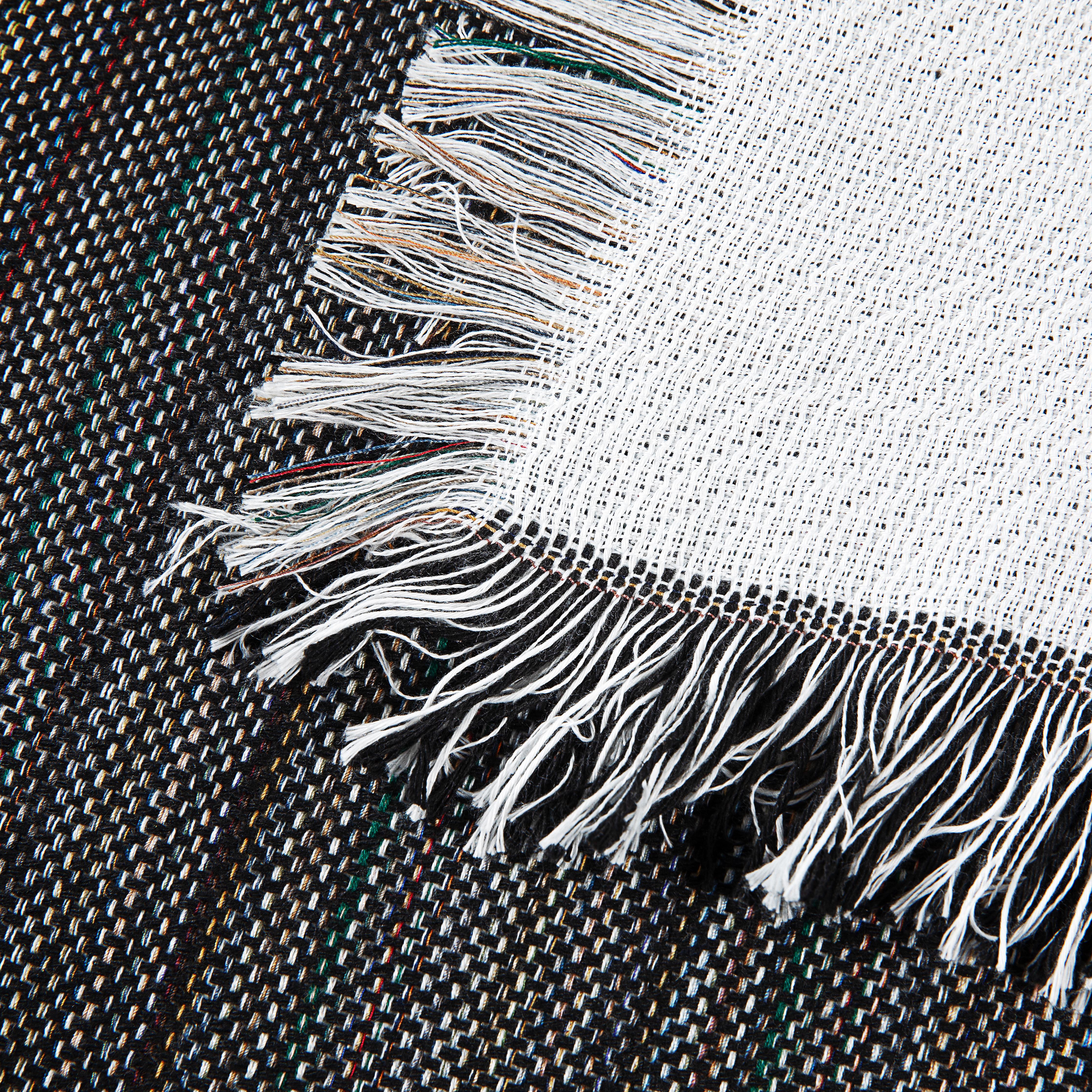
This image highlights what you should be looking for in a quality blank. Pay attention to the fabric surface, the backing, and the edge finishing.

Each of these details—the feel of the sublimation-ready surface, the grip of the rubber, and the quality of the stitched border—plays a huge role in how your final product looks and holds up over time.
Preparing Your Workspace and Mat
Before you even turn on the heat press, a little prep work will save you a world of frustration. These first steps are all about creating a perfect canvas for your transfer.
First things first, grab a lint roller and give the entire polyester surface of the doormat a thorough cleaning. You want to pick up any stray fibers, dust, or tiny bits of debris. Even a single speck can block the sublimation ink gas, leaving a little white dot on your finished print.
Next, you'll want to pre-press the mat. Sandwich it between two sheets of protective paper (fabric side up) and press it for about 10-15 seconds at your final pressing temperature. This does two important things: it gets rid of any moisture hiding in the fibers and flattens the surface, ensuring solid contact with your transfer paper.
The Heat Pressing Process, Step by Step
With a clean, dry, and flat mat, you're ready to go. Our go-to starting point is 400°F (204°C) for 55-65 seconds using firm pressure. But remember, always double-check the recommendations for your specific sublimation blanks, as these can vary.
- Set Your Pressure: Doormats are thick, so you'll likely need to adjust your press. With the machine off, place the mat inside and dial in the pressure until you have firm, even contact across the entire surface. If you have a swing-away heat press, you’ll find this much easier, as they apply pressure straight down, which is ideal for bulky items.
- Position Your Design: Place your mirrored sublimation transfer paper face-down onto the mat. Take a moment to get it perfectly centered and straight.
- Tape It Down: Use a few pieces of high-quality heat-resistant tape to secure the paper to the mat. Taping the corners down prevents the paper from shifting or lifting, which is what causes that dreaded "ghosting" or blurry effect around your design.
- Build Your "Sublimation Sandwich": On your press's bottom platen, lay down a sheet of protective blowout paper. Place your mat (with the design taped on) on top of that. Finally, cover everything with another large sheet of protective paper. This top sheet is essential for catching any ink that bleeds past the edge of your transfer, protecting your upper platen from getting stained.
- Press the Mat: Now, close the press and hit that timer. Once it beeps, open the press and immediately peel the transfer paper off. A smooth, confident peel while the mat is still hot is the key to a crisp, vibrant image.
Pro Tip: If your doormat is bigger than your heat press, you can press it in sections. Press the first area, then carefully slide the mat over to press the next, making sure to overlap the sections slightly. Placing a piece of cardboard under the mat can help you slide it more smoothly without bumping the transfer paper out of place.
Let the mat cool down completely on a flat surface before moving it. That rubber backing gets incredibly hot, so be sure to use heat-resistant gloves. Once it’s cool, your vibrant, durable, and professional-looking doormat is ready for action.
Design Tips for Standout Sublimation Door Mats
You've got the technical side of pressing a sublimation door mat down—that's a huge step. But what really separates a decent product from a fantastic one is the design itself. Let’s move past the mechanics and dive into the creative strategy that will get your door mats sold. A truly great design works with the unique texture and purpose of a doormat, not against it.

The right creative choices will make your products pop, transforming a simple welcome mat into a profitable piece of entryway art. This means understanding how colors shift from your screen to the fabric and picking artwork that complements the material.
High-Resolution Artwork Is Non-Negotiable
Before you even start thinking about colors or fonts, let's lock in the most important rule of all: always use high-resolution artwork. Your digital file is the blueprint for the final product. If that blueprint is blurry, the final product will be, too.
This is even more crucial for a textured surface like a doormat. You need a razor-sharp image so the sublimation ink can lay down clean, crisp lines that won’t get swallowed up by the fabric pile.
- Target Resolution: Aim for 300 DPI (dots per inch) at the final, full print size. A low-res image you find online will look fuzzy and unprofessional when stretched to fit a doormat.
- Vector vs. Raster: Vector files (.SVG, .AI, .EPS) are your best friend here. They can be scaled to any dimension without losing an ounce of quality. If you must use a raster file (.PNG, .JPG), be sure it was created at the full size you plan to print.
Choosing Designs That Work With the Texture
Not every design is cut out for a doormat, especially with sublimation. That short fabric pile means some artwork will look incredible, while other styles will fall flat. The secret is to think bold and avoid getting too delicate.
Tiny, intricate text or super-detailed line art can easily get lost in the fibers. The result is a design that looks muddy and is tough to read from a distance. Instead, lean into styles that make an instant, powerful impact.
Designs That Thrive on Door Mats:
- Bold geometric patterns
- Thick, blocky lettering or simple, clean script fonts
- Large, vibrant floral or botanical prints
- Solid color-blocking and abstract shapes
- Iconic silhouettes and simplified logos
The best designs for sublimation door mats are the ones you can easily recognize from a standing height. If a customer has to bend over to figure out what your mat says, the design just isn't working.
Managing Color From Screen to Mat
One of the biggest learning curves for anyone new to sublimation is color management. The bright, glowing colors on your monitor (which uses an RGB profile) won't look the same once they're printed and pressed (which uses a CMYK profile). This isn't a mistake—it's just physics. Screens create color with light, while printers create it with ink.
To get more predictable results, always try to design in a CMYK color profile if your software has the option. This gives you a much more realistic preview of the final printed colors. Still, expect some minor shifts. Rich blacks often press as very dark browns or navies, and true neons are nearly impossible to replicate perfectly with CMYK ink.
The absolute best practice? Print a small test swatch of your main colors on a scrap of polyester fabric. See how they actually sublimate before you commit to pressing a full-sized mat. By starting with a quality-tested blank from Spark Blank Textiles, you can be confident the polyester surface is already optimized for the best possible color vibrancy, giving your CMYK designs the rich, saturated finish they deserve.
Troubleshooting Common Sublimation Door Mat Problems
Even when you have a great process, some days things just don't go right. A perfect setup can still lead to a frustrating mistake, and it happens to everyone. Let's walk through the most common issues you'll see with sublimation door mats and, more importantly, how to fix them so you can save your blanks and your sanity.
Diagnosing Faded or Blotchy Colors
This is probably the number one problem printers face: a design that comes out looking washed-out, spotty, or just plain "undercooked." When you see this, your first thought should be your heat press trifecta: time, temperature, and pressure. If one of those is off, the ink transfer will fail.
- Not Enough Heat or Time: The sublimation ink never got hot enough to fully convert to a gas, so it couldn't properly dye the polyester fibers.
- Uneven Pressure: If your press isn't clamped down evenly, you'll get light patches where the transfer paper didn't make solid contact with the mat.
- Hidden Moisture: Even a tiny bit of humidity trapped in the mat's fibers will turn to steam and block the ink, causing a splotchy, mottled mess.
The fix starts with confirming your press is actually at the right temperature. A good baseline is 400°F (204°C). Always pre-press the blank mat for 10-15 seconds to cook out any moisture. Still faded? Try adding 5-10 seconds to your press time. Door mats are thick, so you need firm, consistent pressure to get it right.
Preventing Ghosting and Blurry Images
"Ghosting" is that annoying, faint shadow or double image you see around your design. It's almost always caused by the transfer paper moving—even a millimeter—while the mat is still hot. When you open the press, a slight shift can cause the still-gassing ink to re-adhere to the mat, creating a blurry echo.
Expert Tip: Don't be shy with high-quality heat-resistant tape. Tape down the corners of your transfer paper securely. When the timer goes off, open the press and pull the paper off in one clean, decisive motion. Never let it drift back down onto the hot surface.
Blurry images can also be traced back to your source file. A textured item like a door mat is very unforgiving. You absolutely must start with a high-resolution image—that means 300 DPI at the full, final print size. If your artwork is fuzzy to begin with, your final product will be, too.
Avoiding Melted Fibers and Scorched Edges
There's nothing worse than opening your press to find you've melted the mat's fibers or scorched the edges. This is a clear sign that your temperature is too high or your press time is too long. The result is a ruined blank with a stiff, scratchy texture.
Always start by checking the temperature guidelines from your blank's supplier. Not all polyester textiles are created equal. If you see any sign of melting, immediately back off the temperature by 5-10 degrees or cut your time down. Using a proven, quality-tested blank from a reliable source like Spark Blank Textiles can give you a much wider margin of error, as their materials are specifically engineered to handle the heat.
For a quick reference, here’s a table that breaks down these common problems and how to get back on track quickly.
Common Issues and Quick Fixes
| Problem | Potential Cause | Solution |
|---|---|---|
| Faded or Uneven Print | 1. Temp too low or time too short. 2. Uneven pressure. 3. Moisture in the mat. |
1. Increase temp/time in small increments. 2. Adjust press for firm, even pressure. 3. Pre-press mat for 10-15 seconds. |
| Blurry or "Ghosted" Image | 1. Transfer paper shifted after pressing. 2. Low-resolution artwork. |
1. Use heat tape and remove paper in one smooth motion. 2. Ensure design is 300 DPI at final size. |
| Melted or Scorched Fibers | 1. Temperature is too high. 2. Press time is too long. |
1. Reduce heat by 5-10°F. 2. Shorten the dwell time. |
| Colors Are "Off" | 1. Incorrect ICC profile for your ink/paper. 2. Mat surface is not 100% white. |
1. Install and use the correct ICC profile from your ink supplier. 2. Adjust your design colors to compensate for the base color of the mat. |
Keep this guide handy in your print shop. Sometimes, just having a simple checklist to run through can be the difference between a wasted blank and a perfect product.
Your Top Questions About Sublimation Door Mats, Answered
Jumping into a new product line like door mats always brings up a few questions. We get it. Here are some straightforward answers to the things we hear most often from makers and print shops just like you.
Are Sublimated Door Mats Durable Enough For Outdoor Use?
This is a great question. While the sublimation ink itself is permanent and won't wash out, think of the mat itself. Most sublimation door mats are best for covered outdoor spaces, like a porch, or for use indoors.
Just like outdoor patio cushions, constant, direct sun can eventually fade the colors. And of course, harsh weather will wear down the fabric fibers over time. For the longest life, it's best to recommend them for sheltered spots.
How Do You Clean a Sublimated Door Mat?
Cleaning is incredibly easy, which is a fantastic selling point. For everyday dust and dirt, a good shake or a quick pass with a vacuum is all it takes.
If the mat gets seriously grimy, you can spot-clean it with mild soap and water, then just hose it down. Hang it up to air dry, and it’s good to go. Because the design is bonded into the fabric, it will not peel or wash off.
What Is a Good Starting Price For Custom Door Mats on Etsy?
Your pricing will always depend on your specific costs, how complex your designs are, and what the market looks like. That said, a solid starting range for a custom sublimated door mat on a platform like Etsy is usually somewhere between $25 to $45.
Make sure you're factoring in the cost of your blank mat, your design time, and what it will cost to ship. It’s always smart to browse what other sellers with similar quality are charging to make sure you're competitive.
Remember, you aren't just selling a mat—you're selling a piece of personalized home decor. Using quality blanks from a textile specialist lets you price your work based on its true value, not just your costs.
Do I Need a Swing-Away Press or Can I Use a Clamshell?
You can get a great print with either press, but a swing-away press is often easier when you're working with thicker items like door mats. It provides straight-down, even pressure, which really helps avoid faded or blurry edges.
If you're using a clamshell press, just double-check that you can get firm, consistent pressure across the entire surface. You want to avoid the hinge area creating an angle that could mess up your transfer.
Ready to create some stunning, high-quality sublimation door mats that your customers will absolutely love? Spark Blank Textiles has the premium, print-ready blanks you need to get professional results every single time. Explore our collection at https://sparkblanktextiles.com and start turning your brilliant designs into profitable products.